
Livraison le jour même ou le lendemain

Qualité garantie

Débloquez vos offres de bienvenue: Livraison GRATUITE | Jusqu'à -80 % | 30 jours d'essai gratuits à JoyPlus
Téléchargez l'application
Red miso, white miso… Faced with the world foods aisle, choosing the right miso paste can quickly become overwhelming. Which one should you pick for a comforting miso soup or a flavourful marinade?? This guide is here to shed some light and help you choose the perfect miso for your recipes, complete with our selection of the best products available right now.
To make the right choice, you need to know what to look for. Three key criteria help differentiate miso pastes.
The colour of a fermented soybean paste is the first indicator of its character?: it reveals its fermentation time and the intensity of its aromas.
Miso is a cornerstone of Japanese cuisine because it is packed with umami, the famous fifth taste (alongside sweet, salty, sour, and bitter). It is this rich, savoury flavour that gives body and complexity to so many dishes. Rule of thumb?: the longer a miso ferments (like red miso), the more intense its umami.
While all miso pastes start with a soybean base, it's the type of koji (the fermenting agent) that defines their profile. Most often made from rice, it can also be derived from barley or soybeans alone. This difference, far from being a minor detail, subtly influences the final aromatic bouquet.
To help you make your choice, we have selected three products from the Hikari Miso brand, renowned for its expertise. Each one perfectly illustrates the richness of this ingredient.
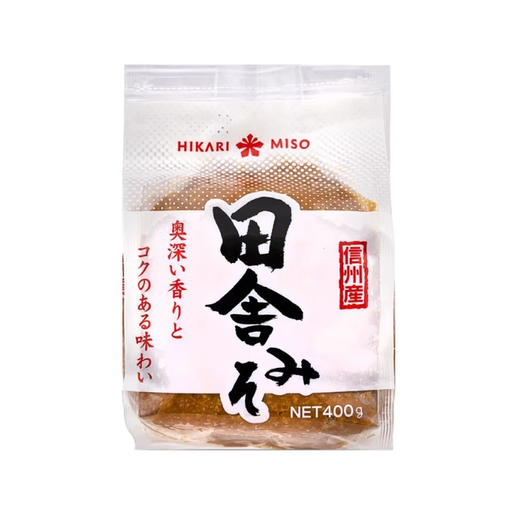
Why this product stands out This aka miso is the result of a long fermentation, which gives it its dark colour and powerful taste. It's a bold condiment, perfect for adding real depth to your dishes.
Key Strengths
Who is it for?? For cooks seeking an intense, authentic flavour to give their dishes backbone. An excellent choice for those already familiar with the basics of Japanese cuisine and looking to explore more assertive tastes.
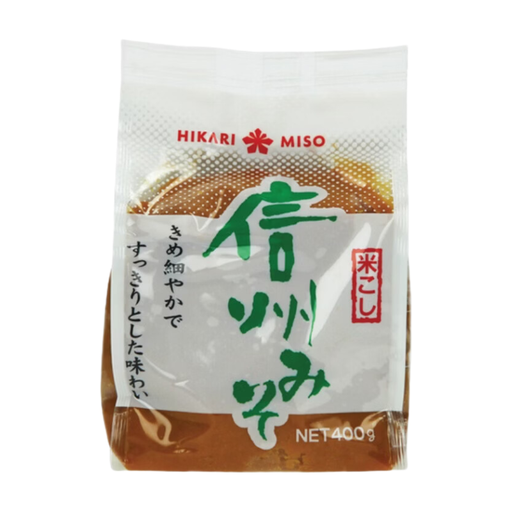
Why this product stands out This Shinshu-type shiro miso (white miso) is a staple in Japanese kitchens. Its mild flavour and creamy texture make it a versatile ally that's very easy to use, even for beginners.
Key Strengths
Who is it for?? Ideal for anyone new to miso paste or looking for an all-purpose condiment. Its mildness makes it an excellent gateway to exploring more robust misos. It is also suitable for vegetarian and vegan diets.
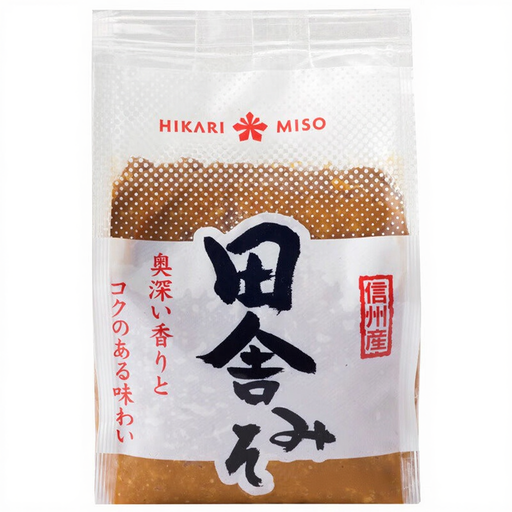
Why this product stands out "Inaka" means "countryside" in Japanese, and this miso lives up to its name. Often described as an amber miso, it sits halfway between white and red. Its fermentation, longer than that of white miso, gives it a deeper colour and a more pronounced aroma, for a rustic and traditional result.
Key Strengths
Who is it for?? For those looking for a versatile product with an authentic taste, without going to extremes. It's the Swiss army knife of miso, adaptable to a multitude of recipes.
Our selection is just a glimpse of the possibilities, as the world of miso is incredibly rich. To discover other varieties, such as barley-based misos (mugi miso) or more specific blends, take a look at our complete catalogue.
Explore our full range of fermented soybean pastes to find the one that will elevate your recipes.
Once opened, the jar of miso should be stored in the refrigerator. It keeps easily for several months, and often for more than a year. Its colour may darken over time?: this is a natural phenomenon that does not affect its quality. Its flavour might even deepen.
Yes, in almost all cases. Miso paste is traditionally made from soybeans, salt, and a fermenting agent (koji), which makes it naturally vegan. This is the case for the products in our selection. The only thing to watch out for is certain instant miso soup preparations, which may contain dashi (fish broth). So always remember to check the ingredients list.
As a general rule, use about one tablespoon of miso (15-20 g) per 200 ml of broth. Of course, this amount should be adjusted according to the intensity of your miso (a powerful aka miso will require less paste than a mild shiro miso) and, most importantly, according to your taste?! Our advice?: start with a small amount, taste, and gradually adjust until you find the perfect balance.