People avoiding caffeine in the evening
If you’d like a minty drink after dinner without green tea, check the ingredients for a herbal infusion. The Anses says caffeine can disrupt sleep; a mint flavour alone doesn’t tell you whether it’s present.


To stock your cupboard with evening drinks while avoiding caffeine, start with an infusion whose ingredients don’t include tea leaves, rather than green tea simply flavoured with mint. E.Leclerc points out that tea naturally contains caffeine. If you prefer its flavour, check that the product is explicitly labelled decaffeinated instead of relying on the word ‘mint’. Then compare the added herbs and the pack size.
If you’d like a minty drink after dinner without green tea, check the ingredients for a herbal infusion. The Anses says caffeine can disrupt sleep; a mint flavour alone doesn’t tell you whether it’s present.
If you’re mainly after the flavour of green tea with mint, a herbal infusion won’t recreate that combination. Check whether the ingredients include tea and, if you want to avoid caffeine, whether the product is labelled decaffeinated.
If you want to alternate between plain mint and herbal blends, check the ingredients before buying several boxes. Liquorice, for example, changes the recipe and requires particular care if consumed regularly, according to the Anses.
First decide whether you want the flavour of green tea or an infusion without tea. Then choose a recipe and pack size you’ll actually use.
Choose this if: you’d prefer an evening drink without green tea, made with herbs listed in the ingredients.
Bear in mind: it won’t taste like mint green tea, and any added herbs may also change the flavour of the mint.
Choose this if: the flavour of green tea matters more to you than avoiding caffeine.
Bear in mind: regular mint green tea naturally contains caffeine; adding mint doesn’t make it decaffeinated.
| What to consider | What to check | Who is it for? |
|---|---|---|
| Caffeine in the evening | Read the ingredients to distinguish a herbal infusion from green tea, and check for any decaffeination claim. | After dinner, I want a minty drink without accidentally choosing regular green tea. Around 50 % of consumers would prioritise avoiding caffeine. |
| Cupboard-friendly pack size | Compare the number of teabags and the weight shown on the boxes, based on how often you drink it. | If I make it regularly, I want a box that suits my consumption rather than a size that will go unused. Pack size would be the top consideration for around 30 % of consumers. |
| Flavour and ingredients | Look for the types of mint and any other ingredients, particularly liquorice and flavourings. | Before stocking up on several boxes, I want to know whether the drink will taste mainly of mint or of a blend of herbs. Around 20 % of consumers would put the choice of recipe first. |
A recipe may contain green tea even if mint features prominently in its name. The Lipton Intense Mint Green Tea sold by Carrefour contains 60 % green tea; the Anses reminds consumers that caffeine can affect sleep.
For an evening drink without tea, start by checking the ingredients. If you want to keep the flavour of tea, look for an explicit decaffeination claim on the product you’re considering.
The Tisea liquorice and mint-flavoured infusion sold by E.Leclerc contains 71.5 % liquorice and 28.5 % spearmint. According to the Anses, high and repeated consumption of liquorice can pose health risks, including those associated with high blood pressure.
Read the ingredients and any warnings on the box before making it a regular drink for your household. A recipe made only with different types of mint avoids this additional ingredient.
When stocking the cupboard, the number of teabags matters just as much as the appeal of trying a new recipe. A pack suited to occasional use may not meet the needs of someone who drinks it regularly.
Check the number of teabags and the weight shown, then choose a quantity that suits the people who will actually drink the infusion.
These products illustrate how recipes can differ. Check the ingredients on the box you choose rather than assuming the same applies to an entire brand.
An option for the combination of green tea and mint, but not if you’re looking for an infusion without tea.
Worth considering if you’re looking for an infusion made from different types of mint, with no green tea in the ingredients.
Organic Three Mint Infusion is another recipe to consider for a minty drink without green tea.
Minty infusions can vary from one recipe to another, particularly when they contain liquorice.
Two different flavour profiles: verbena and mint, and liquorice and mint.
These teabags offer options for stocking your cupboard with a mint infusion or a herbal blend. If several people regularly drink from the same cupboard supply, take a closer look at recipes containing liquorice.
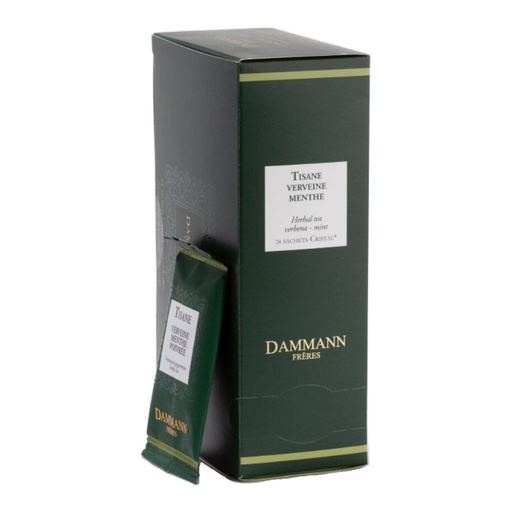 Image unavailable
A blend of verbena and peppermint, rather than the flavour of green tea. The box contains 24 teabags and weighs 48 g. If avoiding caffeine completely is important to you, check the information on the packaging.
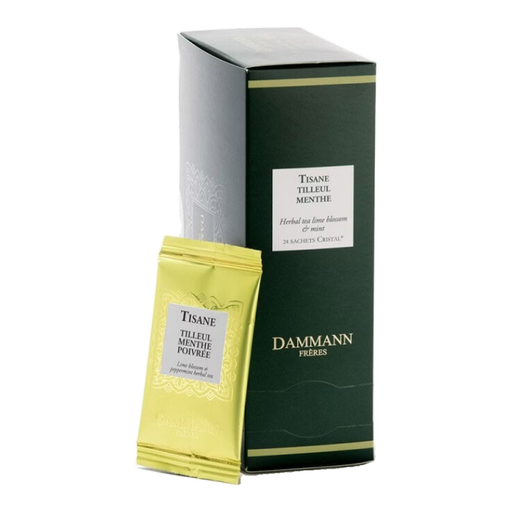 Image unavailable
A way to vary your minty infusions with a blend of linden and mint. The pack contains 24 teabags and weighs 48 g. If needed, check the ingredients and any caffeine information on the packaging.
 Image unavailable
Try a verbena and mint blend in teabag form. The pack contains 20 teabags. If you need a drink that’s completely caffeine-free, check the ingredients and information on the pack.
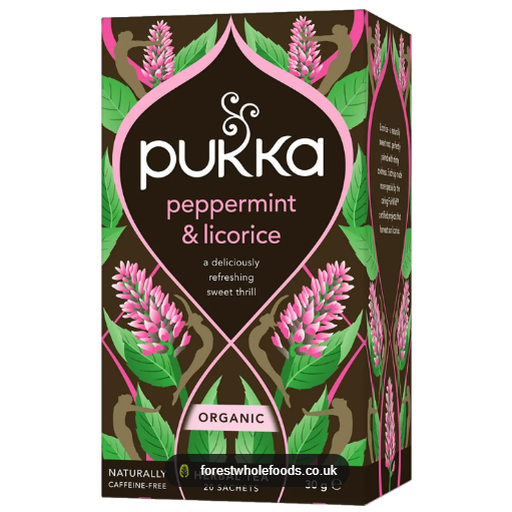 Image unavailable
For anyone looking for a blend of peppermint and liquorice rather than plain mint. The box contains 20 teabags. Read the warnings before making it a regular drink: the Anses highlights risks associated with high and repeated consumption of liquorice.
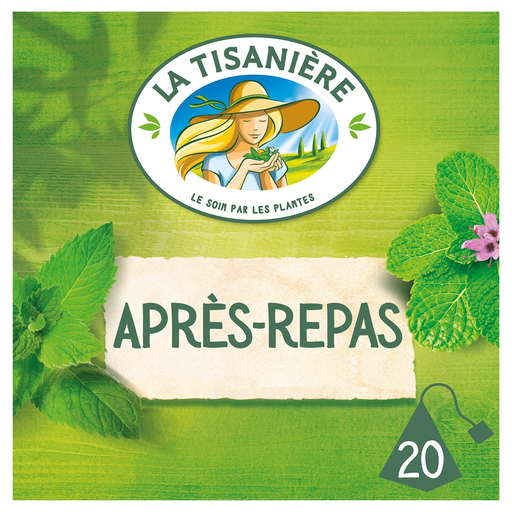 Image unavailable
A way to enjoy a different take on mint, with a recipe that also includes aniseed and verbena. The product name indicates 20 teabags. Read the ingredients and warnings on the box, particularly those about liquorice, before choosing it for regular consumption.
No. Adding mint doesn’t remove the caffeine naturally found in tea. E.Leclerc distinguishes tea, which comes from the tea plant, from infusions made with other herbs. If you want to choose a product without green tea, check the ingredients first. If you specifically want decaffeinated tea, make sure it’s labelled as such.
Start with the ingredients to distinguish tea from a herbal infusion. A ‘naturally caffeine-free’ claim can help too: Carrefour uses it for Pukka Organic Three Mint Infusion, but check the information on the box you buy.
Not necessarily if everyone in the household will drink it frequently. The Anses warns against high and repeated consumption of liquorice, and E.Leclerc’s product listing for the Tisea liquorice and mint infusion carries a warning for people with high blood pressure. Check the ingredients and precautions before choosing this recipe.
Follow the instructions on each box and reseal the packaging after use. Carrefour’s listing for its mint green tea recommends storing it at room temperature; check the instructions for other products before putting them away.