For people who like to chew after coffee
You’re looking for chewing gum, rather than a sweet to suck. The UFSBD describes chewing sugar-free gum after eating, while reminding readers that it doesn’t replace brushing or cleaning between your teeth.


For something to chew after coffee, choose chewing gum labelled sugar-free. The UFSBD describes how chewing it after eating stimulates saliva, while making clear that it is no substitute for brushing. If you’d rather not chew, a mini mint offers a different option; if you’re after a sweet, check the sugar content of the one you choose. If you’re having one on your own, check the packaging too: a pocket-sized tin or a roll doesn’t mean each piece is individually wrapped.
You’re looking for chewing gum, rather than a sweet to suck. The UFSBD describes chewing sugar-free gum after eating, while reminding readers that it doesn’t replace brushing or cleaning between your teeth.
A mini mint can be a handy alternative to chewing gum with your coffee. Compare the portable format, ingredients and warnings for the product you’re considering.
You prefer the texture of a mint sweet as a treat with your coffee. Mentos France lists 69 g of sugars per 100 g for its Mentos Mint sweets, so they don’t meet the same criteria as chewing gum labelled sugar-free.
First decide whether you want to chew gum, suck a mint or eat a sweet. Then check the ingredients and how the pieces are packaged.
| What to consider | What to check | Who it’s for |
|---|---|---|
| Chewing | Check that it’s chewing gum labelled sugar-free. The UFSBD describes chewing it for at least 20 minutes after eating or drinking. | If I want something to chew after coffee, a mint to suck isn’t what I’m looking for. Around 45% of consumers may prefer this option. |
| Sweets and sugars | Compare the “sugars” per 100 g and the ingredients for the specific product: Mentos France lists 69 g of sugars per 100 g for Mentos Mint. | If I want a sweet with my coffee, I’m happy to choose a sugary confectionery product rather than one labelled sugar-free. This could be the main priority for around 33% of consumers. |
| A break without chewing | Check the net weight, container and whether the pieces are individually wrapped. Auchan says its 35 g Frisk tin doesn’t contain individual wrappers. | At work or on the go, I’d rather have a mint to suck from a small container, without assuming that each piece is individually wrapped. Around 22% of consumers may put this need first. |
A mint flavour and the same brand name don’t tell you what type of product it is. Mentos France lists 69 g of sugars per 100 g for its Mentos Mint sweets, compared with 0 g per 100 g for Mentos White Smooth Mint chewing gum.
If the “sugar-free” label matters to you, check the product type and nutrition information for the exact product.
The UFSBD’s guidance on saliva stimulation relates to chewing sugar-free gum after eating, not to a mini mint that you suck.
Choose according to what you want after coffee: chew gum or enjoy a mint without chewing.
A tin can contain several pieces that aren’t individually wrapped. For example, Auchan says its tin of 50 Frisk sweets doesn’t contain individual wrappers; the Mentos multipack listed by Carrefour includes four rolls of 14 sweets.
If you want to take just one portion with you, check the number of pieces, the type of container and whether they’re individually wrapped, rather than relying on the word “single”.
The chewing gums and mini mints reviewed may contain polyols or other sweeteners. The Joybuy listing for HOLLYWOOD Strong Mint chewing gum x5, for example, mentions a source of phenylalanine and a possible laxative effect if consumed in excess.
Read the ingredients and warnings on the product you’re thinking of buying.
The range includes chewing gum and mint sweets, so it’s worth distinguishing between the two types before comparing their labels.
The mint range includes both chewing gum and sugar-free mini mints. First choose whether you want something to chew or a mint to suck.
A pocket-sized tin of mint sweets could suit you if you want to enjoy a sweet without chewing gum.
This selection includes four types of chewing gum and one mint confectionery product in a tin. If you’re choosing something to enjoy on your own, compare the packaging listed for each product. The number of pieces or whether they’re individually wrapped can’t be worked out from an “x1” or “x5” label alone.
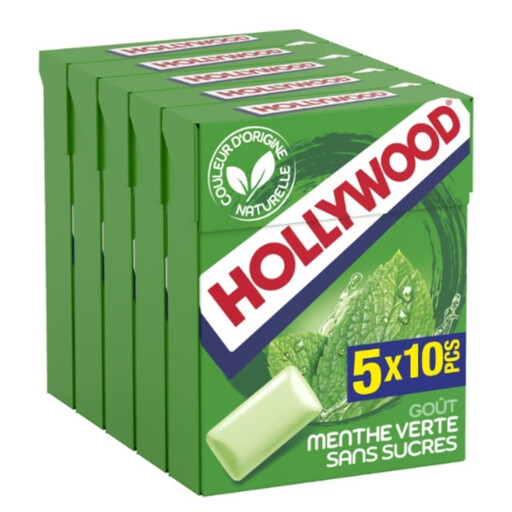 Image unavailable
For a minty chew after coffee. The pack is listed as five 14 g packs; check how the pieces are presented if you need them individually wrapped.
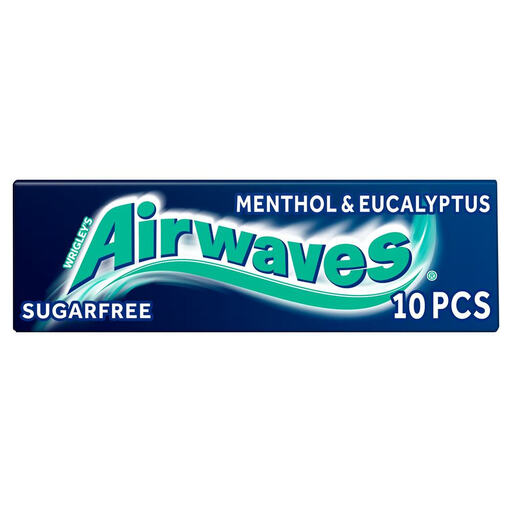 Image unavailable
For anyone who wants to chew mint and eucalyptus-flavoured gum with their coffee. The x1 label refers to the listed format, but doesn’t tell you how many pieces are individually wrapped. Check the ingredients and warnings too.
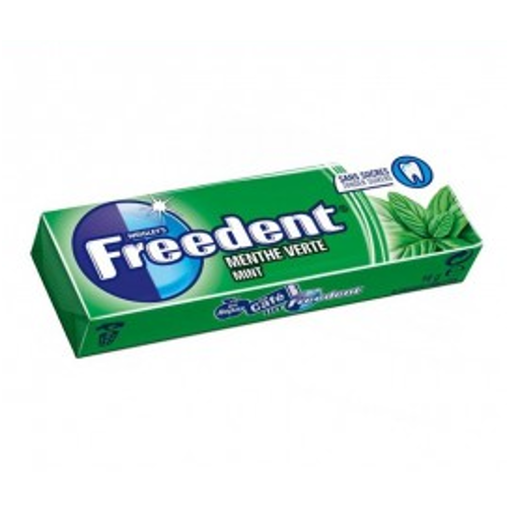 Image unavailable
For a minty chew after coffee, in a listed format of 10 pieces weighing 14 g. Check the packaging to see how the pieces are wrapped, and read the ingredients and warnings before choosing.
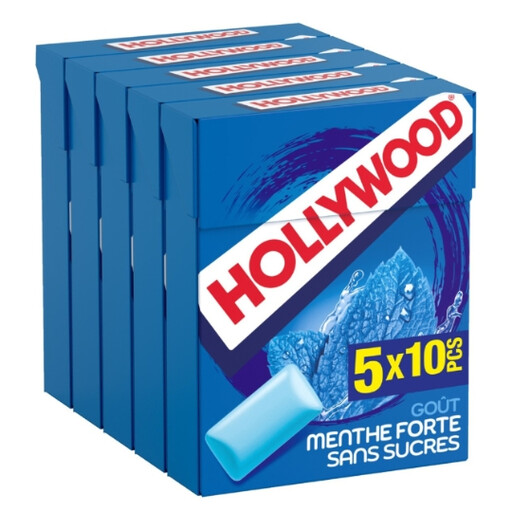 Image unavailable
For a strong minty chew after coffee, in a pack listed as x5. Check what each pack contains; the Joybuy listing mentions a source of phenylalanine and a possible laxative effect if consumed in excess.
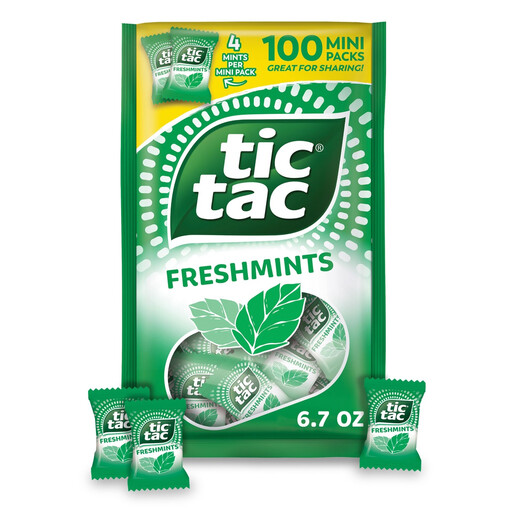 Image unavailable
For a mint sweet with your coffee, rather than chewing gum. The listed format is T100, 49 g. If sugar content or individual wrapping matters to you, check the nutrition information and packaging for this tin.
No. The UFSBD explains that chewing sugar-free gum after eating doesn’t replace brushing your teeth or cleaning between them.
No. Chewing gum and mints labelled sugar-free may contain polyols or other sweeteners. Check the ingredients and warnings for the specific product, as formulations vary.
Not if you’re looking for something to chew: a mint is meant to be sucked. The UFSBD’s guidance on saliva stimulation applies to sugar-free gum chewed after eating or drinking, and shouldn’t be applied to a mint.