Parents comparing sugar content
You’re deciding between sugary confectionery and a sugar-free option. Check the list of sweeteners and polyols too: ‘sugar-free’ on its own doesn’t tell you everything about what’s in the product.


Don’t choose a mint for a lunchbox based on the word ‘dark’ alone: it doesn’t tell you the flavour or whether it contains cocoa. First, check the school’s rules and what type of confectionery is allowed, then compare the mint’s strength, sugars, sweeteners and any warnings on the specific product you’re considering. A sugary mint, sugar-free chewing gum and a hard sweet aren’t suitable for the same situations.
You’re deciding between sugary confectionery and a sugar-free option. Check the list of sweeteners and polyols too: ‘sugar-free’ on its own doesn’t tell you everything about what’s in the product.
To tell the difference between mild mint, strong fresh mint and mint eucalyptus, check the flavour listed for the specific product rather than relying on the word ‘dark’.
Before putting confectionery or chewing gum in a lunchbox, check what the school allows and choose an amount that suits how it will be used.
Start by identifying the type of product: a chewy mint, chewing gum and a hard sweet aren’t used in the same way during the school day.
Worth considering: if confectionery is allowed and your child prefers a chewy mint to chewing gum.
Bear in mind: a sugared mint isn’t a substitute for a sugar-free option. Manger Bouger recommends limiting sugary products in children’s diets.
Worth considering: if the school allows chewing gum and your child wants to chew gum with a menthol flavour.
Bear in mind: check the sweeteners, polyols and any warnings on the pack.
Worth considering: if you’re looking for sugar-free confectionery that isn’t chewing gum, subject to the school’s rules and your child’s age.
Bear in mind: ‘sugar-free’ doesn’t mean it contains no polyols. Always read the consumption warning for the specific product.
| What to consider | What to check | Who is this for? |
|---|---|---|
| Sugars and sweeteners | Compare the nutrition information and ingredients for the specific product, and read any warnings relating to polyols. | If my first priority is limiting sugar in the lunchbox, I want to know what’s in a sugar-free option before choosing it. Around 50% of consumers put this first. |
| School rules and format | Check the school’s rules, then look at the product type and the number of pieces in the pack. | An easy-to-carry pack isn’t useful if its contents aren’t allowed at school. Around 33% of consumers prioritise whether it’s suitable for the school day. |
| Mint flavour | Look for the specific flavour description, such as mild mint, strong fresh mint, spearmint or mint eucalyptus. | If my child enjoys a strong mint, I want to choose the flavour stated on the pack, without assuming that ‘dark’ means strong mint or cocoa. This flavour preference is the top priority for around 17% of consumers. |
The word doesn’t tell you how strong the mint is or whether the product contains cocoa. The products listed by Carrefour and Auchan use specific flavour names such as mild mint, strong fresh mint or mint eucalyptus.
Check the flavour and ingredients for the product you’re planning to buy.
Sugar-free gum or sweets may contain several sweeteners and polyols. The E.Leclerc product listing for Confiseo sugar-free mint sweets, for example, includes a warning that excessive consumption may have a laxative effect.
Read the ingredients and warnings on the pack before preparing the lunchbox.
A pack that’s easy to carry doesn’t mean its contents are allowed during the school day.
Check the school’s rules before buying. If chewing gum isn’t suitable, look separately at other types of confectionery that are allowed.
A roll, a packet and a box may contain different numbers of pieces: the outer packaging doesn’t tell you how much you’ll put in the lunchbox.
Check the number of pieces and the net weight, then prepare the amount you want rather than automatically putting in the whole pack.
The range includes mint sweets and chewing gum, with different flavours and ingredients.
The products reviewed are chewing gums, including spearmint and strong fresh mint flavours.
The product listed by E.Leclerc is a sugar-free mint hard sweet, not chewing gum.
This selection includes a small-format mint, chewing gums and menthol-flavoured sweets. For a school lunchbox, the right choice depends on the school’s rules, the type of confectionery you want and the label on each specific product.
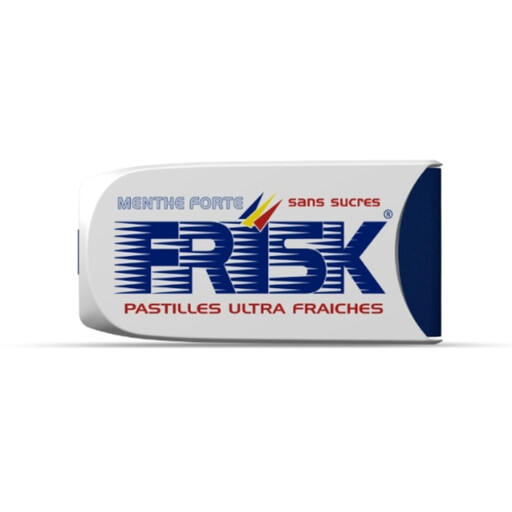 Image unavailable
Worth considering if you’re looking for a Strong Mint flavour in a 6 g format rather than chewing gum. Before adding it to a lunchbox, check the school’s rules and the label, particularly if the presence of sorbitol or aspartame is relevant to your choice.
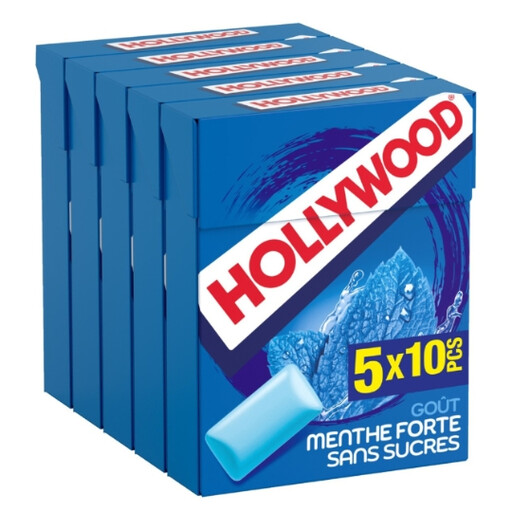 Image unavailable
This multipack is for anyone looking for Strong Mint chewing gum, provided the school allows this type of product. To compare its ingredients, check the pack for information on sugars, polyols, the warning about excessive consumption and the statement that it is a source of phenylalanine.
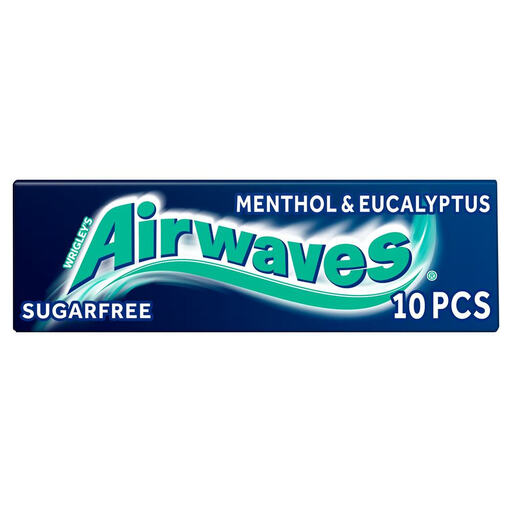 Image unavailable
The Mint Eucalyptus flavour sets this gum apart from a mild mint, but that doesn’t mean it will be allowed at school. Check the school’s rules and the label for information on polyols and the source of phenylalanine.
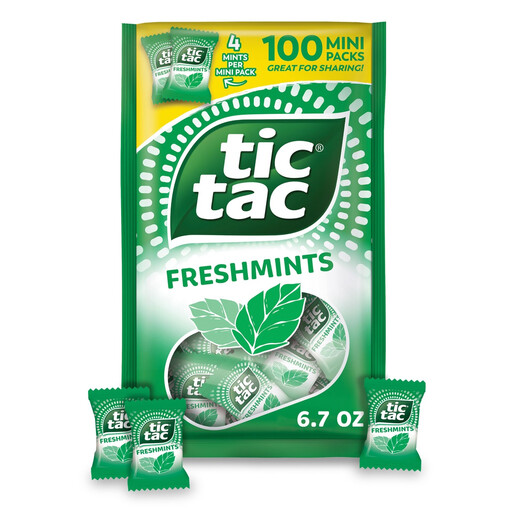 Image unavailable
These mint sweets are an alternative to chewing gum, in the 49 g T100 variety. They contain sugar, so don’t confuse them with a sugar-free product. Check whether confectionery is allowed in the lunchbox.
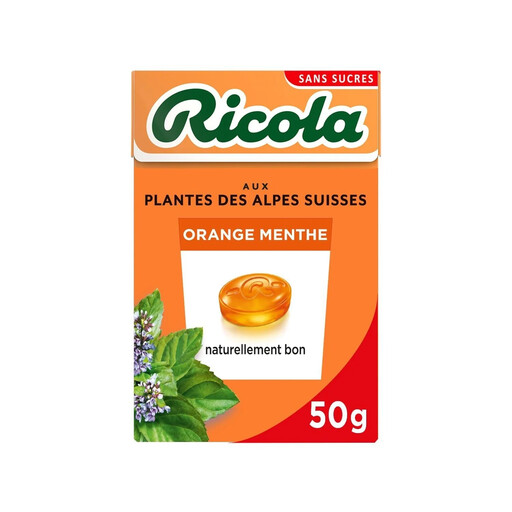 Image unavailable
Worth considering if you’d prefer a sugar-free sweet to chewing gum, with an orange, mint and herbal flavour rather than a specifically described strong mint. The 50 g product contains isomalt, among other ingredients. Read the ingredients and consumption instructions, then check the school’s rules.
The word ‘dark’ alone doesn’t tell you whether a mint contains cocoa, or how much. For a lunchbox, check the product name, flavour and ingredients for the specific product. If you’re looking for a strong mint, choose one that’s clearly described as such.
Not automatically: they’re two different types of product. Sugar-free chewing gum may contain sweeteners and polyols, and you should check whether it’s allowed at school. Manger Bouger recommends limiting sugary products for children, but doesn’t recommend any particular chewing gum as a go-to choice.
In the European Union, Regulation (EU) 2021/1175 requires a warning that excessive consumption may produce laxative effects for foods containing more than 10% added polyols. Read the warning on the product you choose; E.Leclerc includes one for Confiseo sugar-free mint sweets.