Parents keeping an eye on caffeine
You want to factor tea into your caffeine intake, particularly during pregnancy or if you’re sensitive to caffeine. Assurance Maladie notes that caffeine levels vary between teas.


If you want to avoid the caffeine in tea, start by distinguishing mint green tea from an infusion whose ingredients list contains neither tea nor tea extract. If green tea suits your caffeine intake, compare the types of mint, flavourings and tea bag format next. The proportion of mint tells you about the recipe, but isn’t enough to predict how a cup will taste.
You want to factor tea into your caffeine intake, particularly during pregnancy or if you’re sensitive to caffeine. Assurance Maladie notes that caffeine levels vary between teas.
You’re looking for a cup that’s easy to make between tasks, and a box that’s simple to store with your everyday shopping.
You want to tell the difference between spearmint, garden mint, peppermint and mint flavouring by checking the ingredients, rather than choosing based on the blend’s name alone.
For your everyday shopping, first decide whether you want a drink that contains green tea. Then choose the recipe and format.
Worth considering: if you’re looking for a blend of tea and mint, and factor its caffeine into your intake.
Bear in mind: according to Assurance Maladie, caffeine levels vary between teas; ingredient proportions don’t tell you how much caffeine will be in your cup.
Worth considering: if your priority is to avoid caffeine from tea, after checking the ingredients list.
Bear in mind: a mint flavour doesn’t guarantee that a product contains no tea or tea extract.
| What to consider | What to check | Who it matters to |
|---|---|---|
| Caffeine | Look for tea and tea extracts in the ingredients, and factor in any other caffeinated drinks you have during the day. | If I’m watching my caffeine intake, the presence of tea determines my choice before the mint flavour. This would be the top priority for around 33% of consumers. |
| Preparation | Compare the number of tea bags and the brewing instructions on each box. | With a newborn, I’d rather make a cup without measuring loose leaves. Around 27% of consumers might put this convenience first. |
| Recipe | Check the types of mint, stated proportions and whether flavourings are included. | I want to choose between different mint blends without assuming that the name tells me exactly how they’ll taste. The blend would be the top priority for around 20% of consumers. |
| Format and storage | Check the net weight, number of tea bags and storage instructions. | For regular shopping, I’m looking for a box that suits how much I drink and the space available in my cupboard. This would be the top priority for around 20% of consumers. |
Green tea flavoured with mint is still tea. Assurance Maladie states that caffeine levels in tea vary by product.
If you want to avoid caffeine from tea, check that the ingredients list contains neither tea nor tea extract.
Blends can combine different types of mint, green tea and flavourings. The proportions on the label don’t measure how intense the tea will taste.
Compare the ingredients, then start by following the brewing instructions for the product you’ve chosen.
Two boxes with the same number of tea bags may have different net weights.
Check the net weight and storage instructions too, especially if the box will be open for a while.
A selection of mint green teas in tea bags, including a spearmint blend and an ‘Intense’ variety combining spearmint and peppermint.
A mint green tea in tea bags worth considering when comparing ingredients for your everyday shop.
A range with several mint green tea blends, including an organic tea bag option.
An organic mint green tea in a box of 20 tea bags.
These products let you compare mint green teas in tea bags with mint infusions designed for different uses. First choose between tea and an infusion, then check the recipe and preparation method for the product you’re interested in.
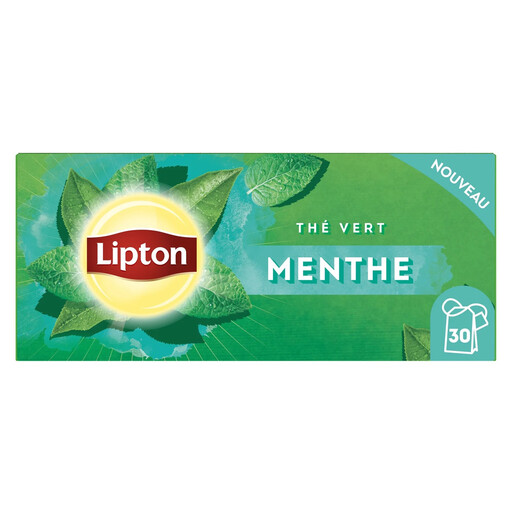 Image unavailable
For a cup of mint green tea made with a tea bag. Auchan’s product listing states that this blend contains 64% green tea, 27% spearmint and 9% natural mint flavouring. Green tea contains caffeine; these proportions don’t tell you how much is in each cup.
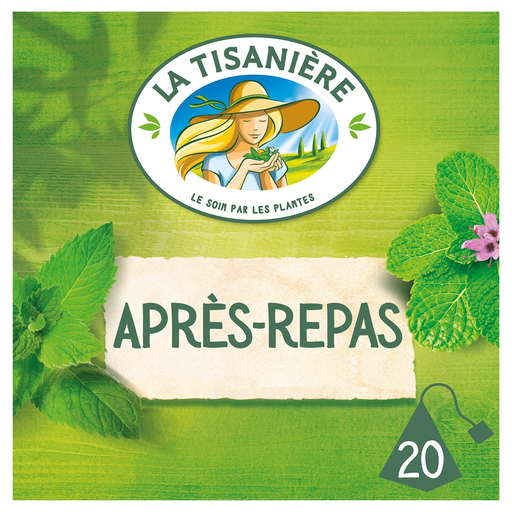 Image unavailable
For those looking for a mint infusion rather than green tea. Check the ingredients list if it’s important to you that the product contains no tea. The product listing mentions liquorice and includes a warning about excessive consumption if you have high blood pressure.
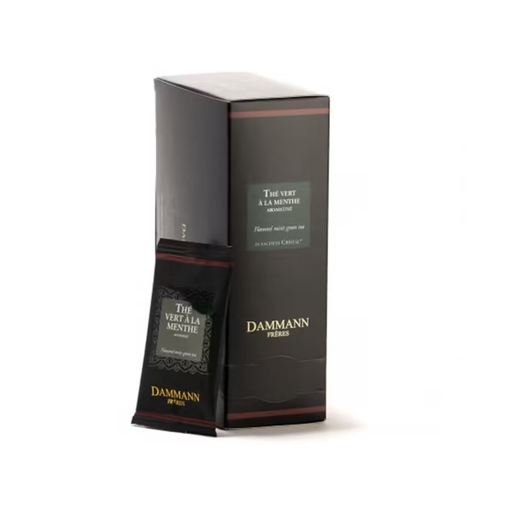 Image unavailable
A tea bag format for anyone who wants to compare mint green tea blends. Check the types of mint on the packaging; as it contains green tea, factor its caffeine into your intake.
 Image unavailable
Compare a tea bag blend combining mint, green tea and matcha. As it contains green tea and matcha, caffeine is worth considering; check the ingredients and brewing instructions on the box.
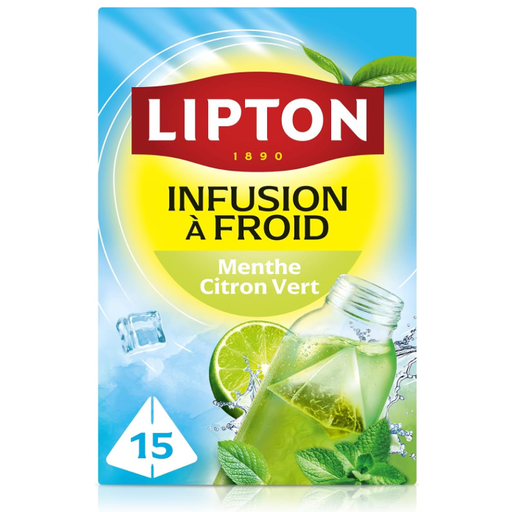 Image unavailable
For making a cold mint and lime drink rather than a classic hot tea. If you’re looking to avoid caffeine from tea, check the ingredients and instructions on the packaging.
No: it depends on the ingredients. Mint green tea contains caffeine. To avoid caffeine from tea, look for an infusion whose ingredients list contains neither tea nor tea extract. Assurance Maladie states that caffeine levels vary considerably between teas.
Count tea among your sources of caffeine for the day: Assurance Maladie advises reducing your caffeine intake during pregnancy. If you need advice tailored to your circumstances, speak to a healthcare professional.
Start by following the brewing time, water temperature and volume specified for the product you’ve bought. Instructions vary between blends; the name or percentage of mint alone won’t determine how your cup turns out.