To avoid caffeine after dinner, choose an herbal infusion whose ingredients and labelling meet your needs, rather than a classic mint green tea: according to the European Food Safety Authority, tea leaves naturally contain caffeine. A mint infusion lets the mint take centre stage, while verbena, limeflower or rooibos gives your cup a different character. If you prefer decaffeinated tea, check that this is stated for the specific product; adding mint alone is not enough.
Who are these drinks for?
People who are mindful of caffeine in the evening
If you’d like a mint drink after dinner without choosing regular tea, look for mint or rooibos-and-mint infusions and check the ingredients of the specific product. The French Agency for Food, Environmental and Occupational Health & Safety (Anses) says caffeine can delay falling asleep and reduce sleep duration and quality.
Fans of a pronounced mint flavour
A blend made with several types of mint puts the plant centre stage in your cup. Blends with verbena, limeflower or rooibos are worth considering if you’d also like the flavour of another plant.
People who pay attention to the ingredients list
Beyond the name on the box, the ingredients list can help you spot tea or liquorice. Anses advises paying particular attention to the latter if you consume it in large quantities or regularly.
What should you look for before buying?
For a mint drink after dinner, first decide whether avoiding caffeine is essential. Then choose between a mint-forward flavour and a blend with other plants. In either case, it’s worth checking the full ingredients list.
| What matters to you |
What to check |
Who is it for? |
| Caffeine in the evening |
Check whether tea or mate appears in the ingredients, and look for any ‘caffeine-free’ claim on the specific product. |
If I want a mint drink with dinner without choosing tea leaves, the ingredients matter more than the drink’s name. Around 46% of consumers prioritise avoiding caffeine. |
| Mint flavour |
Compare the types of mint and their place in the recipe with those of the other plants. |
I’m mainly looking for a pronounced mint flavour, even if that means missing out on the vegetal taste of green tea. Around 27% of consumers would make this their priority. |
| Flavour profile |
Check whether the mint is blended with verbena, limeflower or rooibos. |
After a meal, I’d rather have mint share the cup with another plant than choose a recipe centred on mint alone. Around 18% of consumers would favour this kind of blend. |
| Full ingredients list |
Look out for liquorice in particular, and read any precautions on the packaging. |
Before buying an infusion to drink regularly, I want to know whether it contains liquorice. For around 9% of consumers, checking for this ingredient would be the priority. |
Common mix-ups to avoid
-
Assuming mint tea is a caffeine-free herbal infusion
Mint doesn’t remove the caffeine from tea leaves. The European Food Safety Authority reminds consumers that tea leaves naturally contain caffeine, while Anses says caffeine can disrupt sleep.
If you want to avoid caffeine with dinner, don’t rely on the word ‘mint’ alone: read the ingredients and check any caffeine-related claims on the product you choose.
-
Overlooking liquorice in a mint blend
Liquorice features in some recipes. According to Anses, consuming products that contain it in large quantities or regularly can pose a risk of hypokalaemia and high blood pressure.
Check the ingredients before choosing a blend to drink regularly. If the precautions relating to liquorice apply to you, seek advice from a healthcare professional.
-
Relying on a product without checking the shop
An infusion shown on a retailer’s website may not be available at the shop or through the collection option you’ve chosen.
Before planning to serve this drink with dinner, check the product, its format and its availability with the relevant shop.
Brands to consider, depending on the recipe
Pukka
An option for anyone looking for a mint infusion rather than mint green tea.
- Auchan’s product listing for Trois Menthes describes a blend of peppermint, spearmint and field mint, presented as naturally caffeine-free.
- This recipe doesn’t have the vegetal note that green tea leaves bring.
Ethiquable
An option combining rooibos and mint for anyone happy to try a flavour different from green tea.
- Carrefour’s listing for the infusion reviewed describes a blend of rooibos, sweet mint and lemongrass, presented as tea-free.
- Check that this product is available at your chosen shop before relying on it for dinner.
Auchan Bio
A verbena-and-mint recipe for a different herbal infusion, without choosing green tea.
- Auchan’s listing states that the product reviewed contains 50% verbena and 50% peppermint.
- Verbena makes up as much of this recipe as mint, so it isn’t an infusion made solely from mint.
1336
A limeflower-and-mint option for anyone who’d like to pair mint with another plant.
- Auchan’s listing states that the infusion reviewed contains 60% sweet mint and 40% limeflower.
- Limeflower gives the cup a different character from a mint infusion or mint green tea.
Lipton
A useful example for distinguishing the brand’s mint green tea from its herbal infusions.
- According to Carrefour’s listing, the Thé Vert Menthe Intense reviewed contains 60% green tea, 27% spearmint and 6% peppermint.
- As it contains green tea, don’t assume this product is a caffeine-free herbal infusion: the European Food Safety Authority reminds consumers that tea leaves naturally contain caffeine.
Herbal infusions to find on Joybuy
These products offer minty herbal recipes rather than mint green tea. For a hot drink after dinner, focus on blends with verbena or limeflower; Cold Infuse is designed to be made cold. If avoiding caffeine is essential, check each product’s ingredients and instructions.
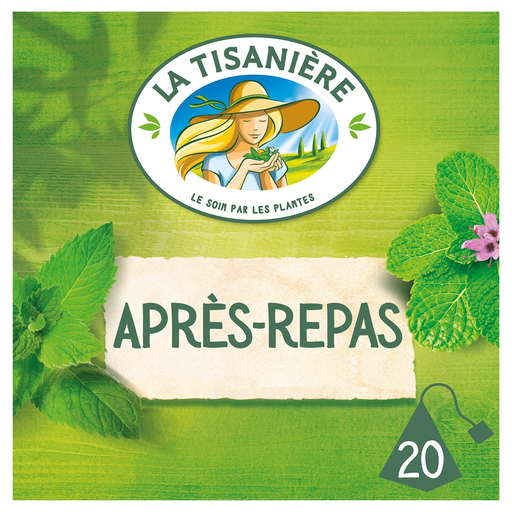 Image unavailable
LA TISANIERE Aniseed, mint and verbena infusion — 20 tea bags
For a mint infusion after a meal, this recipe combines mint with other plants and, according to the listed ingredients, contains no tea leaves. It also contains liquorice, so bear in mind the precautions highlighted by Anses if you consume it in large quantities or regularly.
View on Joybuy
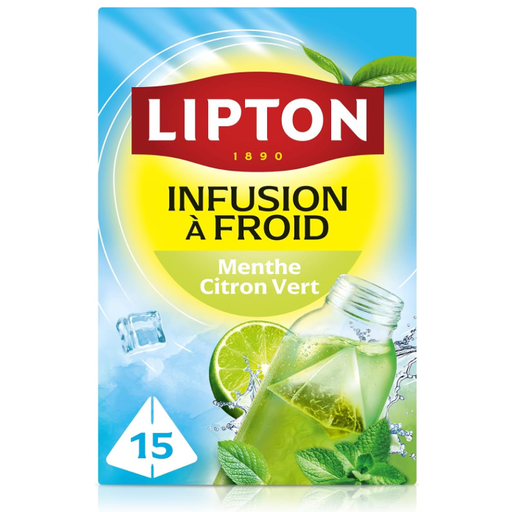 Image unavailable
LIPTON Cold Infuse Mint and Lime — 15 tea bags
Presented as caffeine-free, this infusion is a good choice if you’d like a cold minty drink rather than a hot cup with dinner. The instructions are for preparing it with cold water; check the packaging if you plan to use it differently.
View on Joybuy
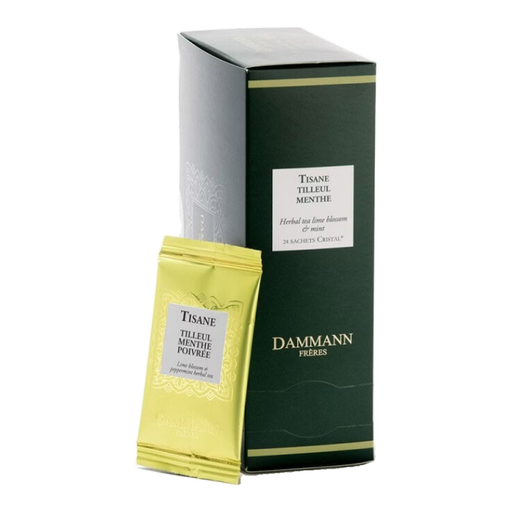 Image unavailable
DAMMANN Limeflower & Spearmint — 24 tea bags, 48 g
This limeflower-and-mint blend is a good choice if you’d like an infusion that pairs mint with another plant; the listed ingredients don’t include tea leaves. It comes as a refill pack. If the specific type of mint matters to you, check the packaging.
View on Joybuy
 Image unavailable
ELEPHANT Organic Verbena and Mint Infusion — 20 tea bags
This recipe combines mint and verbena for a hot infusion that, according to the listed ingredients, contains no tea leaves. If you need confirmation that it is caffeine-free or want to check the brewing time, look for these details on the packaging.
View on Joybuy
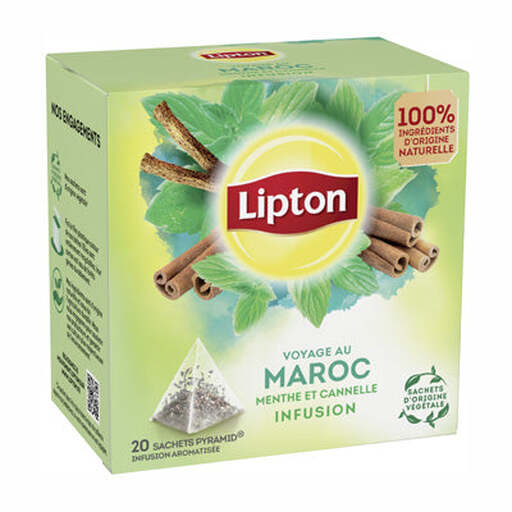 Image unavailable
Lipton Mint and Cinnamon Infusion — 20 tea bags
For a hot, spiced infusion with a hint of mint, this recipe offers something different from a mint-focused blend. It contains liquorice, so bear in mind Anses’ advice on consuming it in large quantities or regularly. Check the label if an explicit ‘caffeine-free’ claim is essential to your choice.
View on Joybuy
Frequently asked questions
Is mint green tea caffeine-free if it contains a lot of mint?
No. Mint doesn’t remove the caffeine from tea leaves. Carrefour’s listing for Lipton Thé Vert Menthe Intense states that it contains 60% green tea, and the European Food Safety Authority says tea leaves naturally contain caffeine. For a caffeine-free evening drink, check the ingredients and claims on the product you choose.
What should I choose if I don’t want an infusion made solely from mint?
A verbena-and-mint or limeflower-and-mint infusion combines mint with another plant. Compare the proportions on the packaging: Auchan’s listing for its organic verbena-and-mint infusion, for example, states that it contains 50% of each plant, while the listing for the 1336 infusion gives 60% sweet mint and 40% limeflower.
Should I avoid all mint infusions that contain liquorice?
Not necessarily, but it’s important to check for liquorice and consider how much you consume. Anses links the large or repeated consumption of products containing liquorice to a risk of hypokalaemia and high blood pressure. If the precautions relating to this ingredient apply to you, seek advice from a healthcare professional before drinking it regularly.
What should I check on a box of mint tea for the evening?
Start with the product name and full ingredients list to distinguish tea from a herbal infusion, then check any caffeine-related claims and the preparation instructions. If you avoid certain ingredients, don’t rely only on the plants highlighted on the front of the box: look for them in the full ingredients list.


