Anyone avoiding caffeine in the evening
You want a caffeine-free mint drink to enjoy with your biscuits. A herbal infusion explicitly labelled as naturally caffeine-free fits the bill; mint green tea is not the same thing.


For a minty cup with biscuits in the evening, choose an infusion labelled ‘naturally caffeine-free’ and check the ingredients if you want to avoid caffeine. If you prefer the taste of mint green tea, bear in mind that tea naturally contains caffeine, which can delay sleep, according to the Anses. In either case, added herbs and spices, particularly liquorice, can affect the flavour and may influence your choice.
You want a caffeine-free mint drink to enjoy with your biscuits. A herbal infusion explicitly labelled as naturally caffeine-free fits the bill; mint green tea is not the same thing.
You’re mainly looking for the flavour of a blend containing green tea. Carrefour says its Sensation mint green tea combines green tea with mint leaves, among other ingredients. It’s a different choice from a herbal infusion.
You want to tell a blend of different mints apart from one that also contains liquorice, fennel or ginger. Checking the ingredients is especially useful if you plan to drink liquorice infusion regularly; the Anses advises caution with high, repeated consumption.
For an evening cuppa with biscuits, first decide whether avoiding caffeine matters more to you than the taste of green tea. Then compare the herbs and spices in each blend.
| What to consider | What to check | Who it’s for |
|---|---|---|
| Caffeine-free | Look for an explicit ‘naturally caffeine-free’ label and check whether tea is listed among the ingredients. | With biscuits in the evening, I want a minty, caffeine-free cup, even if it doesn’t taste like green tea; around 42% of consumers would put avoiding caffeine first. |
| Mint green tea flavour | Check that the blend contains green tea, and bear in mind that it won’t be a caffeine-free herbal infusion. | If I’m set on the taste of mint green tea, I don’t want to swap it for a simple mint infusion; around 33% of consumers would prioritise this flavour. |
| Added herbs and spices | Read the full ingredients list to spot liquorice, fennel or ginger in particular. | When choosing an infusion, I want to know what else is blended with the mint and whether I’ll enjoy the flavour; around 25% of consumers would make the ingredients their main consideration. |
Mint may be prominent in the name, but tea can still be a key ingredient: Carrefour says its Sensation mint green tea contains 65% green tea. According to the Anses, tea naturally contains caffeine.
If you want to avoid caffeine in the evening, check the ingredients and look for an explicit caffeine-free claim.
Liquorice affects the flavour of an infusion. The Anses links high, repeated consumption of products containing liquorice with the risk of hypokalaemia and high blood pressure.
If you’d prefer a recipe without liquorice, choose one that doesn’t list it as an ingredient. If you have a medical condition or take medication that calls for extra care, ask a healthcare professional for advice.
An infusion made from mints doesn’t contain the green tea that gives mint green tea its characteristic flavour. Other blends include fennel or ginger, which will alter the flavour further.
First choose between the taste of green tea and avoiding caffeine. If you opt for the latter, compare the ingredients in different infusions.
Pukka’s organic Three Mint infusion combines peppermint, spearmint and fieldmint. Carrefour describes it as naturally caffeine-free.
The organic mint and liquorice infusion featured by Auchan contains spearmint, peppermint and liquorice, and comes in a pack of 30 tea bags. It is described as naturally caffeine-free.
The organic two-mint and fennel infusion featured by Auchan also contains ginger and is described as naturally caffeine-free.
These two tea-bag blends combine mint with other ingredients. Compare their ingredients if you’re looking for a cup to enjoy with biscuits in the evening, and check the caffeine information on the product you choose.
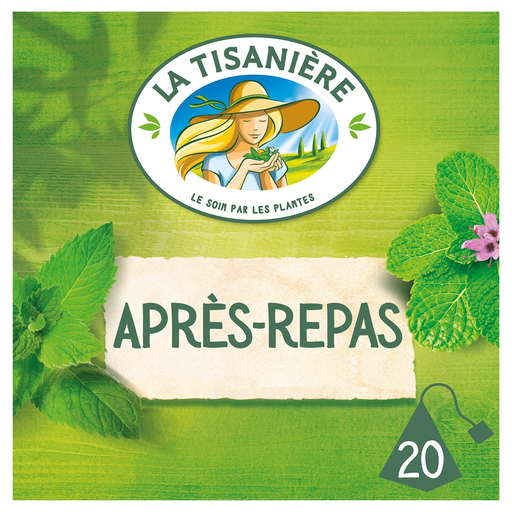 Image unavailable
For a minty cup with biscuits, this infusion combines aniseed, mint and verbena rather than mint on its own.
The description says it is caffeine-free; if this is essential, check the claim on the packaging. The liquorice also listed in the ingredients is worth noting in cases of high, repeated consumption, according to the Anses.
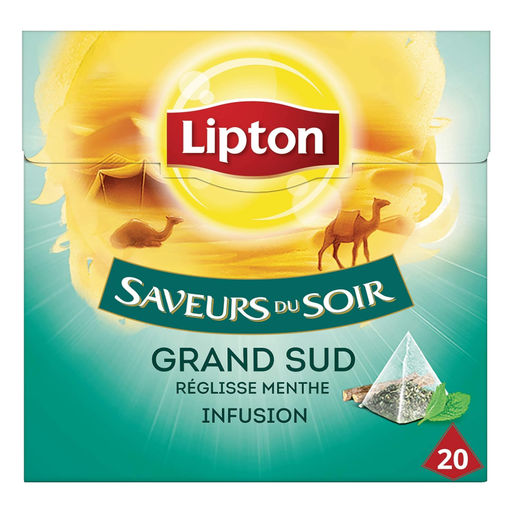 Image unavailable
If you’re looking for mint and liquorice together in your evening cup, this blend fits the bill better than a mint-only infusion.
If you want to avoid caffeine, check the label for a caffeine-free claim before buying. If you consume liquorice in high amounts and regularly, bear in mind the precautions highlighted by the Anses.
Mint green tea isn’t suitable if you need to avoid caffeine completely: according to the Anses, tea naturally contains caffeine, which can delay sleep. For a caffeine-free minty cup, look for an infusion labelled as such and check its ingredients.
Check the product name and ingredients list rather than relying on the word ‘mint’ alone. Carrefour says Pukka Three Mint contains three varieties of mint and is naturally caffeine-free, while its Sensation mint green tea contains green tea and mint leaves.
Take extra care if your consumption of liquorice becomes high and frequent: the Anses warns of a risk of hypokalaemia and high blood pressure in these circumstances. If you need to limit this ingredient or take medication that may be affected, check the ingredients and ask a healthcare professional for advice.
Compare the product name, full ingredients list and any ‘naturally caffeine-free’ claim. This information can help you tell mint green tea apart from a herbal infusion, and spot blends containing ingredients such as liquorice, fennel or ginger.