Care home catering teams
Tea bags can make it easier to prepare individual servings, provided the blend and serving method follow the care home’s guidance and residents’ preferences.


For meals in a care home, first check the individual requirements for texture and diet: neither the flavour nor the tea-bag format is enough to determine whether a drink can be served. If green tea is suitable for the resident, compare the ingredients and format. If you’re looking for a mint-flavoured drink without tea leaves, consider a herbal tea instead, without assuming it will be suitable in every situation.
Tea bags can make it easier to prepare individual servings, provided the blend and serving method follow the care home’s guidance and residents’ preferences.
For a resident who has difficulty swallowing or has specific requirements, the choice of drink and its texture must be confirmed with the appropriate team. France’s National Authority for Health includes swallowing difficulties among the needs to look out for in care homes.
The ingredients list helps distinguish green tea blended with several types of mint and flavouring from a blend containing only green tea and mint leaves. On its own, it can’t predict each resident’s preferences.
Start by choosing the type of drink: mint green tea if tea is permitted, or mint herbal tea if you’re looking for a blend without tea leaves. In either case, individual serving instructions take priority.
Consider this: when green tea is suitable for the resident and you’re looking for a blend of mint and natural mint flavouring.
Bear in mind: green tea naturally contains caffeine. The flavouring also sets this blend apart from one made only with tea and mint leaves.
Consider this: if a short ingredients list is your priority. Auchan’s listing for product 1336 states that it contains 90% green tea and 10% mint leaves.
Bear in mind: even a simple blend is green tea and contains caffeine; its proportions won’t predict how each person will find the taste.
Consider this: when you’re looking for a hot mint drink without green tea. One product listed by Carrefour combines rooibos, spearmint and lemongrass.
Bear in mind: this isn’t mint green tea. Check all the plants in the blend and the instructions that apply to the resident.
| Criteria | What to check | Who it concerns |
|---|---|---|
| Individual requirements | Confirm the texture and serving method specified for the resident, along with any dietary requirements. | If I’m serving someone who has difficulty swallowing, I need to know the required texture before choosing a drink. Around 33% of consumers put this compatibility first. |
| Caffeine and hydration | Check whether the drink contains green tea and agree on when to serve it; keep water as the main drink for hydration. | For someone sensitive to caffeine, I want to distinguish green tea from herbal tea without tea leaves. This is the main concern for around 27% of consumers. |
| Blend and mint flavour | Compare the types of mint and any stated flavourings, then ask residents what they prefer where possible. | If I’m looking for a blend with ingredients that are easy to compare, a claim about intensity isn’t enough. Around 27% of consumers prioritise the ingredients and mint profile. |
| Serving format | Compare the number of tea bags, net weight, and preparation and storage instructions. | When I’m preparing several drinks with a meal, I choose a format that suits the way the service is organised, once individual requirements have been met. Around 13% of consumers make this their main criterion. |
According to France’s Agency for Food, Environmental and Occupational Health & Safety (ANSES), tea naturally contains caffeine. Mint herbal tea, on the other hand, can be made without tea leaves: the two names don’t refer to the same drink.
Read the product description and ingredients before choosing. If you need a “caffeine-free” claim, check that it appears on the product in question.
France’s National Authority for Health lists swallowing difficulties among the situations to look out for in care homes. A tea bag doesn’t determine the texture in which the drink can be served.
For a resident concerned, confirm the serving method with the appropriate team before offering the drink.
A mint-flavoured green tea drink listed by E.Leclerc contains water, sugar and tea extracts, among other ingredients. Its composition differs from that of tea made by infusion.
Compare the product description and ingredients before deciding which category to serve with a meal.
“Menthe Intense” is the name of a Lipton product, not a measure of whether every resident will enjoy it. Caffeine sensitivity should also be considered when choosing green tea.
Compare the types of mint and flavourings listed on the label, then take individual preferences and requirements into account.
Carrefour’s 20-bag Thé Vert Menthe Intense blend combines green tea with two types of mint.
Carrefour Traiteur’s product information includes a 25-bag mint green tea.
E.Leclerc lists a Yaté mint green tea, as well as a Bio Village product containing 20 tea bags.
Auchan’s mint green tea, presented in a box of 25 tea bags, lists its main ingredients.
Auchan’s mint green tea is a 20-bag blend with a short ingredients list.
These tea-bag products include mint green teas and a mint and verbena herbal tea. First choose the type of drink that meets the resident’s requirements, then pick a format that works for your service.
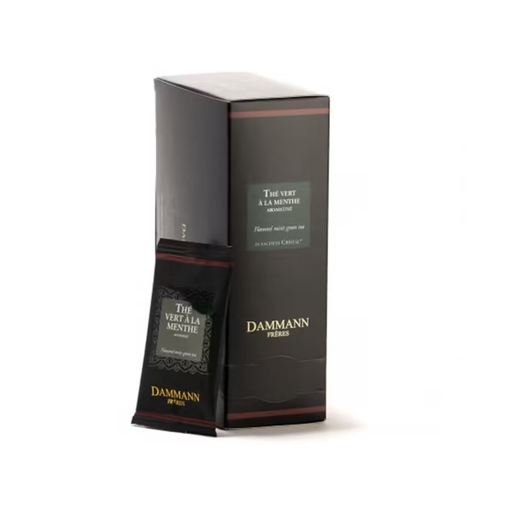 Image unavailable
Worth considering for serving mint green tea when green tea is permitted for the resident.
Box of 24 tea bags, 48 g. If a specific texture is prescribed, confirm the required serving method.
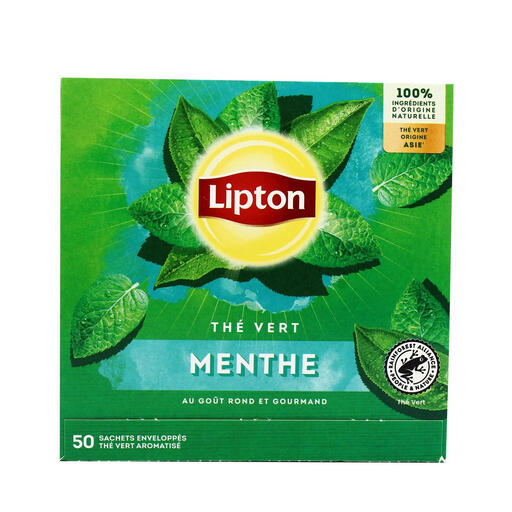 Image unavailable
This mint green tea format is worth comparing for tea-bag service when individual requirements allow green tea.
The stated pack size is 50 tea bags for 80 g. The presence of green tea should be taken into account if there are instructions relating to caffeine.
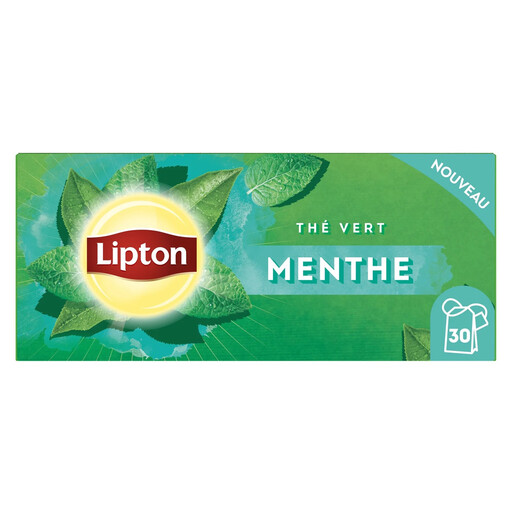 Image unavailable
This tea-bag option gives you a different pack size for mint green tea, subject to the serving instructions.
The stated pack size is 30 tea bags for 48 g. For a resident who has difficulty swallowing, have the drink’s texture confirmed before serving.
 Image unavailable
This mint and verbena herbal tea is worth comparing if you’re looking for a mint drink that isn’t green tea.
The stated pack size is 20 tea bags. If you need specific information about caffeine, check the label; also confirm any texture requirements before serving.
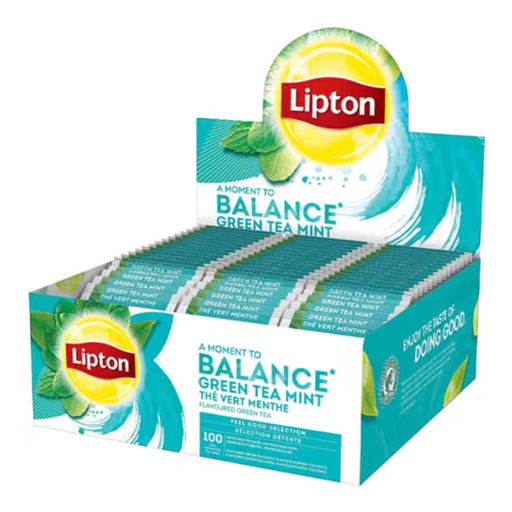 Image unavailable
This mint green tea pack could suit a service that uses a large number of tea bags, provided green tea is suitable for the residents concerned.
The gift set is described as containing 100 tea bags. If the exact type of flavouring matters to you, check the product label.
Mint green tea in tea bags may be suitable if the individual requirements allow this type of drink and serving method. Then compare the ingredients and pack size, without assuming residents will enjoy a blend based on its name alone.
Don’t automatically treat it as a replacement for water. The public information portal For older people recommends prioritising water and, in very hot weather, avoiding highly caffeinated drinks such as tea.
Before offering tea or herbal tea, ask the appropriate team to confirm the texture and serving method. France’s National Authority for Health lists swallowing difficulties among the situations to look out for in care homes: choosing a tea bag or a particular blend doesn’t resolve this issue.
Herbal tea without tea leaves is a different category of drink, but its ingredients should also be checked. For example, Carrefour’s listing for a peppermint and liquorice herbal tea includes a warning about excessive consumption by people with high blood pressure. Check the exact blend and the resident’s requirements.