Residents who need to avoid caffeine in the evening
A mint infusion explicitly labelled caffeine-free meets this requirement without relying on mint green tea.


For a minty drink served in the evening at a care home where caffeine must be avoided, choose an infusion explicitly labelled caffeine-free rather than classic mint green tea. Check the full recipe too: liquorice needs particular care if someone has high blood pressure, and each resident’s individual instructions take precedence over the drink’s marketing name.
A mint infusion explicitly labelled caffeine-free meets this requirement without relying on mint green tea.
They may prefer to stick with a green tea base, provided its caffeine content is compatible with their individual instructions and the time it is served.
If a resident takes several medicines, has high blood pressure or has other restrictions, the appropriate team should check the exact recipe before serving it regularly. Assurance Maladie particularly highlights the risk of medicine interactions in people over 65.
Choose this: when the evening drink needs to be caffeine-free and the recipe is suitable for the resident.
Bear in mind: without tea leaves, it won’t taste like mint green tea.
Choose this: if the green tea flavour matters and its caffeine content is compatible with the resident’s instructions.
Bear in mind: mint doesn’t make green tea caffeine-free; Anses says caffeine can disrupt sleep.
| Criterion | What to check | Who it’s for |
|---|---|---|
| Caffeine-free | Look for a “caffeine-free” claim and check the ingredients; distinguish an infusion from mint green tea. | For an evening drink, I’m looking for a minty flavour without caffeine, rather than flavoured tea. Around 50% of consumers put avoiding caffeine at the top of their list. |
| A recipe suitable for the resident | Check any added plants, particularly liquorice, then confirm the resident’s individual instructions with the appropriate team. | If someone has restrictions or takes several medicines, I want the recipe checked before serving it regularly. Around 30% of consumers put individual suitability first. |
| Green tea flavour | Check that it contains green tea and choose it only if the caffeine content and serving time are suitable. | If the familiar taste of mint green tea matters most, I want to keep it without overlooking its caffeine content. Around 20% of consumers prioritise the green tea flavour. |
Lipton Thé Vert Menthe Intense contains 60% green tea, according to the product information published by Carrefour. Mint doesn’t remove the caffeine in tea; Anses says it can delay falling asleep and reduce both the length and quality of sleep.
If caffeine must be avoided, read the ingredients and look for an explicit caffeine-free claim on the infusion you choose.
The label for Pukka Menthe Poivrée & Réglisse, as presented by Carrefour, advises people with high blood pressure to avoid excessive consumption.
Check whether the specific product contains liquorice, and have the recipe reviewed if this is relevant to a resident.
The same recipe won’t necessarily suit every resident, particularly when restrictions or several medicines need to be taken into account.
Before adding it to the regular drinks service, have the ingredients checked, along with any instructions relating to the drink being served.
The range includes mint infusions with different recipes.
Thé Vert Menthe Intense is for those who want a green tea-based drink rather than a mint infusion.
The Carrefour range includes Thé Vert Menthe Sensation.
These two mint infusions suit different ways of serving drinks: one is a hot herbal infusion, while the other is a mint and lime infusion made with cold water. Check the recipe and the recommended serving temperature for each resident.
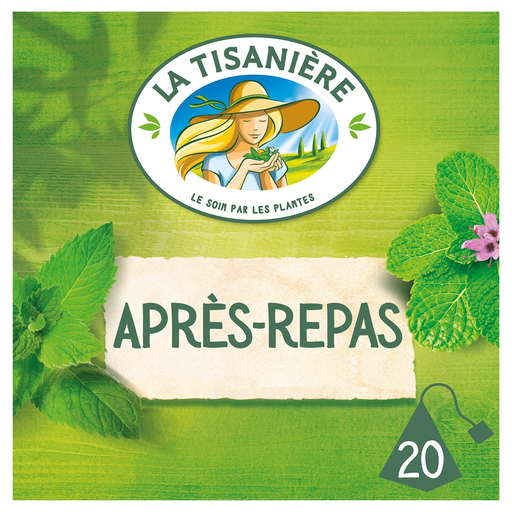 Image unavailable
For a minty drink served hot in the evening, this infusion is described as naturally caffeine-free. The recipe also contains liquorice: if someone has high blood pressure, take the label warning into account and have their individual instructions checked before serving it.
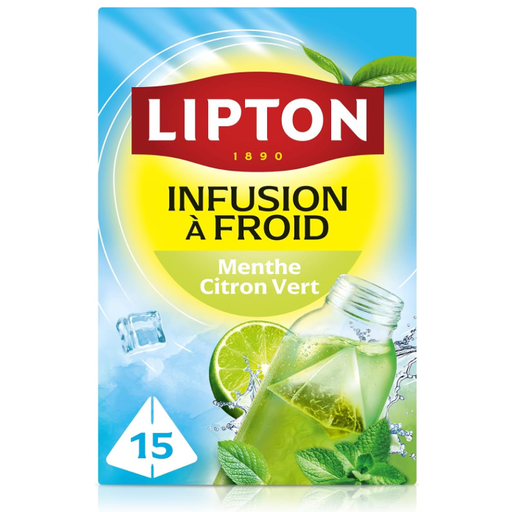 Image unavailable
For a cold drink, this mint and lime infusion is described as caffeine-free. It is designed to be made with cold water, so check that this temperature is suitable for the resident and the way drinks are served.
No. Mint doesn’t remove the caffeine naturally found in green tea. Check the ingredients: the product information for Lipton Thé Vert Menthe Intense published by Carrefour lists 60% green tea.
Choose an infusion explicitly labelled caffeine-free, then check all its ingredients and the resident’s instructions. Pukka Three Mint, for example, is described as naturally caffeine-free; the ingredients published by Auchan include three types of mint.
No. The label for Pukka Menthe Poivrée & Réglisse advises people with high blood pressure to avoid excessive consumption. Have the exact recipe checked by the appropriate team before regularly offering an infusion containing liquorice.
Check its ingredients and the resident’s individual instructions, and consult the care team if there are any restrictions or several medicines to consider. Assurance Maladie highlights that people over 65 are particularly at risk of medicine interactions.