Care home purchasing and catering managers
They need a pack size that suits their service schedule, without having to reorder too often or hold more stock than necessary.


For meals in care homes, a box of 240 mint tea bags is only worthwhile if its ingredients, exact pack size and best-before date match the expected rate of use. Smaller boxes let you compare products before buying in bulk. The service should also take residents’ preferences and any sensitivity to caffeine into account.
They need a pack size that suits their service schedule, without having to reorder too often or hold more stock than necessary.
They need to consider residents’ drinking habits, individual difficulties and any guidance that applies to each person, particularly when it comes to caffeine.
They need to identify the product delivered, keep a record of its details and adjust quantities to reduce waste.
Before choosing 240 tea bags, check exactly what will be delivered and how quickly the boxes will be used. Then consider the drink itself and how it will fit into mealtimes.
| Criteria | What to check | Who it matters to |
|---|---|---|
| Pack size and stock | Confirm the number of tea bags in the exact product, how they are packed inside, the best-before date and the storage conditions. | If tea is needed regularly at mealtimes, I want to avoid repeated reorders without keeping boxes for too long. Around 37% of consumers might put pack size and stock management first. |
| Individual needs | Check whether the tea contains green tea and take residents’ preferences and individual guidance into account. Provide an alternative drink where needed. | To serve a drink that suits everyone, I need to take account of sensitivity to caffeine or difficulty drinking. Suitability for individual needs would be a priority for around 27% of consumers. |
| Serving at mealtimes | Check the brewing instructions for the exact product and gauge how well its flavour is received before ordering a large quantity. | When several people prepare drinks, I want instructions that are easy to follow and tea that residents enjoy with their meals. Around 18% of consumers might put organising the service first. |
| Traceability and waste | Keep the product information and labelling for the item delivered, and compare the quantities ordered with those served. | I want to be able to identify the product received and avoid leaving tea bags unused. Traceability and reducing waste would come first for around 18% of consumers. |
The number of tea bags, how they are divided between boxes and the best-before date must match the exact product being ordered.
Ask for the details of the exact product and check this information, along with the ingredients and storage conditions, before deciding how much to order.
Green tea naturally contains caffeine. Anses notes that people’s sensitivity to caffeine varies; calling a tea “mint” does not change the type of tea it contains.
Distinguish between the two drinks and follow the care home’s individual guidance on what to serve and when.
A larger box means more tea bags to store and use within their shelf life. It doesn’t, in itself, tell you whether residents will enjoy the flavour.
Compare smaller packs first, then check that expected use fits the best-before date of the larger pack you are considering.
The information on one box describes that particular product, not all the items bought for meals at the care home.
Keep the paperwork for the tea actually delivered and include the product in your overall supply records.
The Menthe Intense green tea sold by Carrefour is available in a box of 20 tea bags: a handy size to compare before placing a larger order.
The mint green tea sold by Carrefour comes in a pack of 50 tea bags, weighing 80 g.
Auchan offers mint green tea in a box of 25 tea bags, weighing 40 g.
E.Leclerc lists a small pack of mint green tea as another product to compare.
Amazon France lists Moroccan Mint green tea as a pack of five boxes, each containing 20 tea bags.
These mint green teas, available in boxes of 20 to 50 tea bags, give you a range of pack sizes to compare before considering an order of 240 tea bags for meals in a care home.
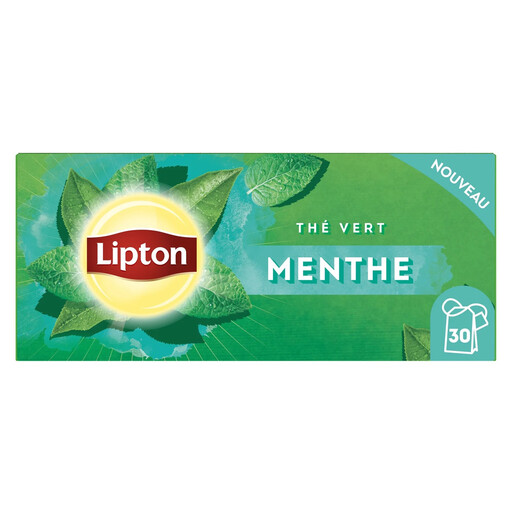 Image unavailable
A smaller pack to compare before planning a regular service.
Mint green tea; 30 tea bags, 48 g. Take individual guidance on caffeine into account.
 Image unavailable
A 20-bag pack lets you compare another mint tea before buying in bulk.
Green tea with matcha and mint. Take individual guidance on caffeine into account.
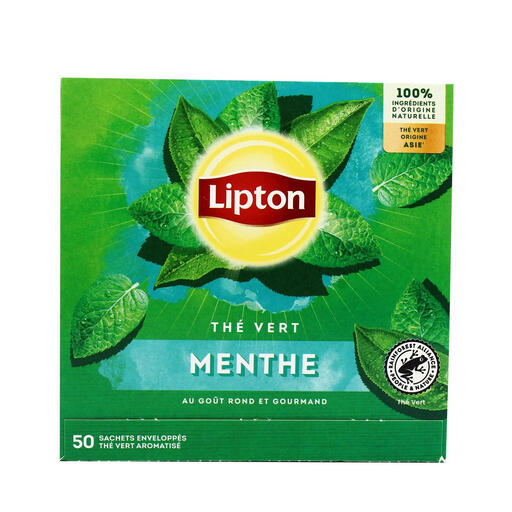 Image unavailable
A box of 50 tea bags to consider if this quantity suits your service schedule.
Mint green tea; 80 g. Check the best-before date of the product delivered.
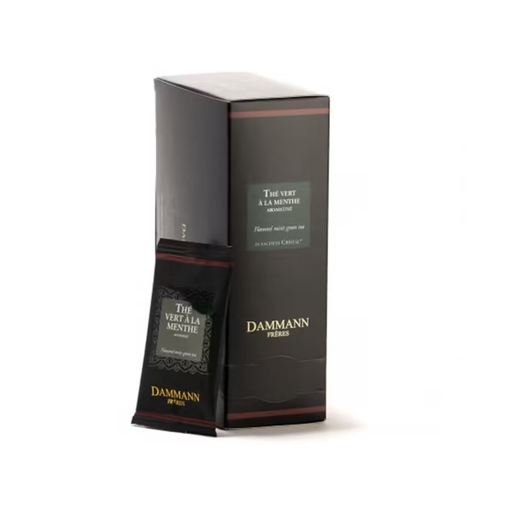 Image unavailable
A smaller pack for comparing the flavour before ordering more tea bags.
Mint green tea; 24 tea bags, 48 g. Take individual guidance on caffeine into account.
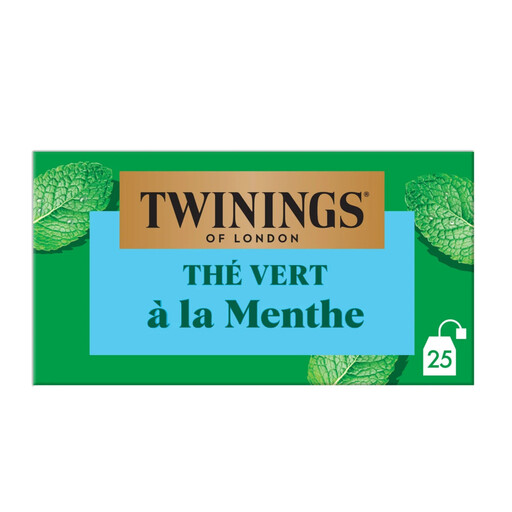 Image unavailable
A box of 25 tea bags to compare before deciding how much to order for mealtimes.
Mint green tea; 50 g. Check the best-before date before planning your stock.
No. You need to take each resident’s needs into account. Green tea naturally contains caffeine, and its effects vary from person to person, according to Anses. Residents’ preferences and individual guidance should inform your choice of drink.
No. The number on its own doesn’t tell you exactly what you’ll receive. Check the product, how the tea bags are packed, the ingredients, the best-before date and storage instructions, then compare the quantity with expected use.
No. A claim on a box applies to that specific product. To keep track of the care home’s supplies, retain its paperwork and consider it alongside the other products bought for catering.
Check the product name, ingredients, declared allergens, net quantity and best-before date. This information helps you distinguish green tea from an infusion and organise storage for the batch delivered.