Anyone avoiding caffeine in the evening
You want a minty drink after dessert, without tea leaves. The ingredients and any ‘caffeine-free’ claim matter more to you than the taste of traditional green tea.


If you want to avoid caffeine when enjoying coffee and dessert in the evening, choose a mint herbal infusion that contains no tea leaves rather than a classic mint green tea. Then compare the proportions of mint and other herbs in the recipe. Pay particular attention to liquorice in blends that contain it.
You want a minty drink after dessert, without tea leaves. The ingredients and any ‘caffeine-free’ claim matter more to you than the taste of traditional green tea.
You’re after the taste of proper mint green tea, and the caffeine naturally present in tea doesn’t affect your choice.
You enjoy herbal blends, but want to check the ingredients, flavourings and any relevant precautions before settling on a recipe.
Choose this if: you want a minty cup in the evening but aren’t looking for the taste of green tea. Check the ingredients and any caffeine information for the product you choose.
Bear in mind: rooibos, verbena or spices will change the flavour, and some recipes contain liquorice.
Choose this if: you’d rather enjoy the taste of green tea with dessert than find a caffeine-free drink.
Bear in mind: it contains tea leaves; according to Anses, tea naturally contains caffeine.
| What to consider | What to check before buying | Who this matters to |
|---|---|---|
| Caffeine in the evening | Read the ingredients list to tell a herbal infusion from a blend containing tea, and check for any ‘caffeine-free’ claim. | After coffee and dessert, I want a minty cup without adding a tea-based drink. This would be a priority for around 46 % of consumers. |
| Flavour with dessert | Compare the recipe’s base and the proportion of mint, if stated. | With my pastries, I’m looking above all for a fresh mint flavour or the leafy taste of green tea. Nearly 36 % of consumers would put this flavour pairing first. |
| Blend ingredients | Look out in particular for liquorice, and check the information about allergens or possible traces for the product you choose. | Before comparing flavours, I need to know whether any ingredients or precautions are relevant to me. This check would be a priority for around 18 % of consumers. |
The word ‘mint’ doesn’t tell you whether a drink contains tea: Carrefour’s product listing for Lipton Green Tea Mint states that it contains 64 % green tea. Anses reminds consumers that tea naturally contains caffeine.
If you want to avoid caffeine in the evening, check the ingredients rather than relying on the front of the box alone.
Liquorice is found in some mint and spice infusions. According to Anses, consuming large amounts of liquorice repeatedly can lead to hypokalaemia and high blood pressure.
Check whether it’s included and read the product’s precautions before making it a regular drink.
A recipe may combine mint with rooibos, verbena, spices or other ingredients. So two boxes labelled ‘mint’ won’t necessarily contain the same drink.
Compare the ingredients lists and allergen information for the product you’re thinking of buying.
A rooibos and mint option to consider if you’re looking for an infusion described as tea-free, rather than mint green tea.
A herbal infusion for anyone looking to combine several types of mint with a green rooibos base.
The products mentioned illustrate two categories that shouldn’t be confused: mint green tea and a mint and spice herbal infusion.
An option for anyone specifically looking for mint green tea to enjoy with dessert, rather than making caffeine-free their main priority.
These options let you compare mint infusions blended with other herbs, as well as a cold-brew preparation. If you want a caffeine-free evening drink, check the ingredients and product information. A cold preparation is intended for a different use from a hot cup with dessert.
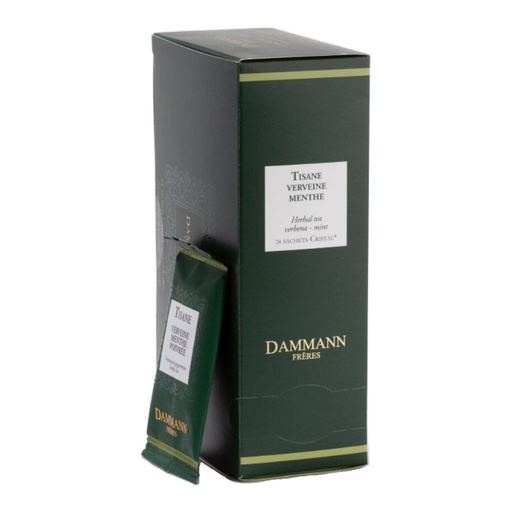 Image unavailable
A cup combining verbena and peppermint to enjoy after dessert, rather than mint green tea.
If caffeine-free status or the type of packaging matters to you, check these details before buying.
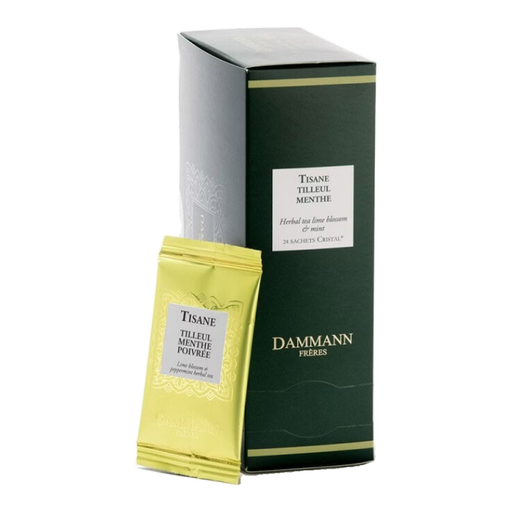 Image unavailable
Worth considering if you’d prefer to combine linden with mint in your cup after dessert.
Compare its ingredients and packaging with those of other herbal infusions before choosing.
 Image unavailable
A mint and verbena blend to compare for an after-dessert herbal infusion.
If you need to avoid caffeine, look for clear information on the label before choosing it.
Image unavailable
For anyone who’d like to compare a mint, aniseed and verbena infusion with a simpler recipe.
This blend contains liquorice. Check the precautions on the product, especially if you’re thinking of drinking it regularly.
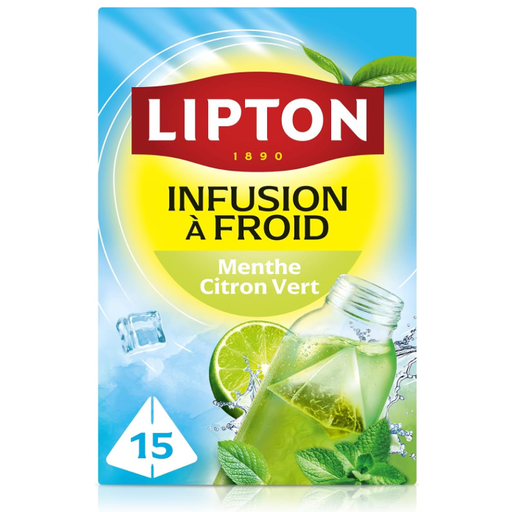 Image unavailable
A mint and lime cold infusion to consider if you’re not specifically looking for a hot drink to enjoy with dessert.
Follow the product’s preparation instructions rather than assuming it’s also suitable for making a hot infusion.
No, not if you’re looking for a caffeine-free drink: green tea naturally contains caffeine, as Anses points out. Instead, look for an infusion without tea leaves and check the product’s ingredient information.
Read the ingredients list: mint tea contains tea leaves, while a herbal infusion can combine mint with herbs such as rooibos or verbena. The name on the front of the pack is no substitute for checking the ingredients.
Not necessarily, but liquorice should be part of your decision, particularly if you plan to drink the infusion regularly. Anses links high, repeated consumption of liquorice with the risk of hypokalaemia and high blood pressure. Check the ingredients and any precautions on the packaging.
Follow the instructions for the recipe you choose, as green tea, herbal infusions and cold preparations may need to be made differently. In particular, check the water temperature and steeping time shown on the product.