Parents who prepare portions in advance
Mini packs make it easy to count out sweets to hand out or take along during the holidays. However, their size alone doesn’t determine how much you should serve.


When getting snacks ready for the school holidays, choose mini packs if you want to portion out sweets in advance. If you’re using a sharing bag of mini bite-sized treats, decide how much to serve before you start. Mini size doesn’t tell you how much sugar a product contains: compare the nutritional values per 100 g and check the ingredients if you need to meet any dietary requirements.
Mini packs make it easy to count out sweets to hand out or take along during the holidays. However, their size alone doesn’t determine how much you should serve.
If sweets are an occasional treat, when you offer them matters just as much as the pack format. Manger Bouger advises limiting sugary foods for children and varying their snacks.
If you need to avoid gelatine, wheat or other ingredients, this may matter more than choosing between bite-sized treats and mini packs. Check the ingredients list and any ‘may contain’ information for the specific product you’re buying, as recipes vary.
When shopping for the holidays, start by thinking about how you’ll serve the sweets, then compare the ingredients of products that suit your needs.
| What matters | What to check | Who it matters to |
|---|---|---|
| Portioning | Number of mini packs and net weight; for a sharing bag, how much you’ll prepare before serving. | If you need to take or hand out several snacks, separate packs make planning easier. Around 40% of consumers put portioning first. |
| Sugar and frequency | Sugars per 100 g in the nutritional information; when you plan to offer the sweets. | If the sweets might be left within reach between meals, limiting repeated snacking becomes the main concern. Around 30% of consumers prioritise moderating sugary foods. |
| Ingredient suitability | Gelatine, cereals containing gluten and any ‘may contain’ information on the exact pack. | If an ingredient needs to be avoided, the recipe matters more than the convenience of the packaging. Around 30% of consumers make ingredient suitability their priority. |
In France, the DGCCRF states that nutritional information must be provided for pre-packed food in the cases set out by the regulations. Santé publique France explains that displaying the Nutri-Score is voluntary, so the absence of the logo alone doesn’t mean a product fails to comply.
Compare the nutritional information and ingredients. If the products you’re comparing display the Nutri-Score, use it as an additional guide when comparing products in the same aisle.
HARIBO France lists 51 g of sugars per 100 g for P!K Les P’tits and 68 g per 100 g for Les P’tits Chamallows. A sweet’s size tells you neither what it contains nor how much you’ll ultimately eat.
Decide how much to serve and check the sugar content per 100 g before comparing formats.
Auchan’s product page describes Lutti Scoubidou as suitable for vegetarians, but lists wheat flour. E.Leclerc’s product page for the Copains Copines selection lists pork gelatine and wheat starch.
Check the ingredients and any ‘may contain’ information on the packaging for each product. Don’t assume a product’s characteristics apply to an entire brand.
A small pack won’t prevent repeated snacking if the sweets are left within reach all day. In its tooth-decay prevention advice, L’Assurance Maladie recommends avoiding snacking between meals.
Choose when to offer this treat, prepare the amount you want and put the rest of the pack away.
The range includes P!K Les P’tits and Les P’tits Chamallows bite-sized sweets, as well as a Pocket selection of 8 mini packs weighing 340 g.
Auchan’s product page lists Scoubidou in a 200 g bag and says it is suitable for vegetarians.
E.Leclerc offers a 500 g selection of mini packs, which could be handy for preparing several rounds of snacks.
Auchan’s range includes HARIBO Pocket mini packs and Lutti products, giving you the chance to compare different recipes and pack formats.
These products show two ways to get a snack ready: choose pre-portioned mini packs or decide how many sweets to serve yourself. They aren’t all specifically described as mini sweets.
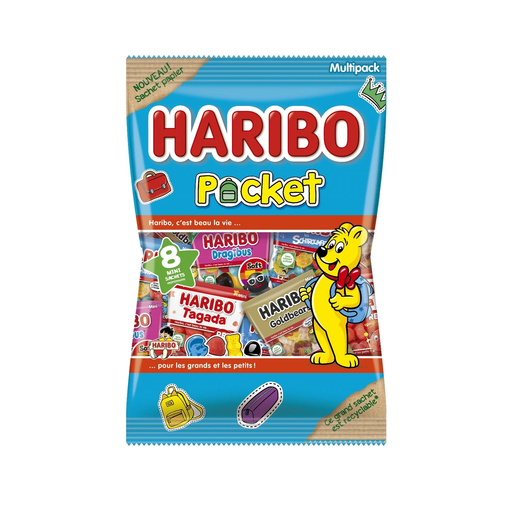 Image unavailable
Separate packs make it easier to prepare several snacks, but don’t determine on their own how much to offer each person.
The Joybuy France product page lists 55 g of sugars per 100 g and says the product contains gluten. Check the packaging if you need to meet any dietary requirements.
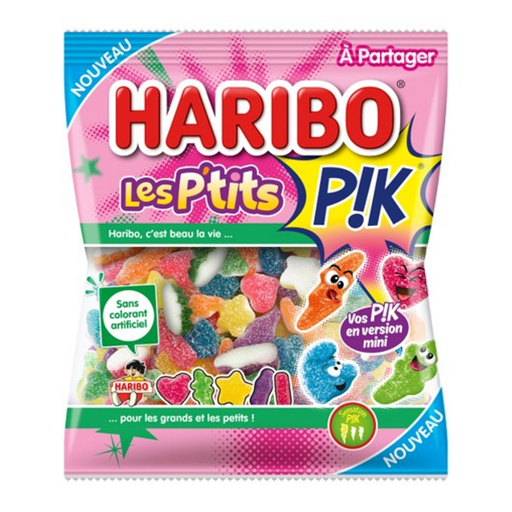 Image unavailable
This bag works well if you want to decide how much to serve before you start, rather than handing out individual packs.
The small size of the sweets calls for extra care if the snack is for very young children; check the warnings on the packaging.
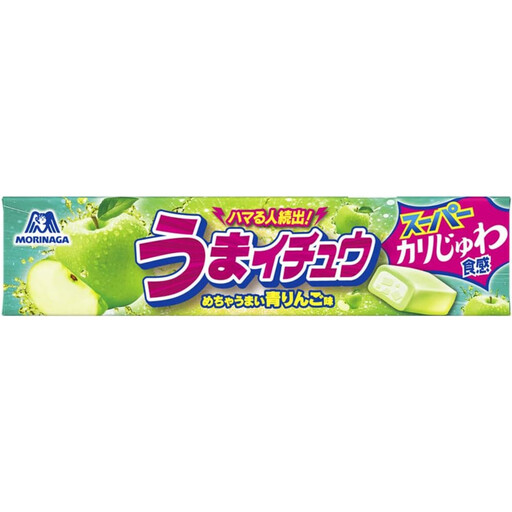 Image unavailable
The number of pieces lets you decide how many to prepare for a snack; this product isn’t specifically described as a mini format.
To compare its ingredients with other sweets, check the nutritional information per 100 g and the ingredients list on the packaging.
No. Santé publique France explains that producers display the Nutri-Score voluntarily. The DGCCRF distinguishes this logo from nutritional information, which must be provided for pre-packed food in the cases set out by the regulations. So, the absence of the Nutri-Score alone isn’t enough to conclude that a pack fails to comply.
No. Mini packs make portioning easier, while a bag of mini bite-sized sweets means you’ll need to prepare the amount you want to serve. Neither format defines a suitable portion on its own; when comparing products, check the sugars per 100 g in particular.
Check the ingredients list and any ‘may contain’ information for each product. Auchan’s product page says Lutti Scoubidou is suitable for vegetarians but contains wheat flour; E.Leclerc’s product page for the Copains Copines selection lists pork gelatine and wheat starch. These details don’t apply to other products from the same brands.
Set a time for this treat, prepare the amount you’ve chosen and put the rest away. Manger Bouger recommends limiting sugary foods for children and varying their snacks. L’Assurance Maladie also advises avoiding snacking between meals as part of its tooth-decay prevention guidance.