If you want to serve one piece per guest, choose a pack that states the number of pieces and the total weight. For an individual serving, a mini dark chocolate bar is another option, while chocolate bites are ideal for sharing. However, the mini size alone doesn’t determine how much is served: compare the nutritional information per 100 g and check the allergens in each recipe before putting together your table.
Who are these formats for?
Hosts who want to keep track of portions
If you’d like to offer one piece per person without having to break up a bar when serving, check the number of pieces and their weight. Carrefour, for example, lists Milka Mini Bars in a pack of 8 bars weighing 200 g.
Fans of dark chocolate
An individually wrapped small bar lets you choose a recipe with a stated cocoa content. The Lindt Excellence Dark 70% mini bar listed by Lindt France weighs 35 g.
Hosts mindful of allergens
When everyone is sharing from the same table, the small size of each piece is no reason to skip reading the packaging. The Milka, Lindt and Côte d’Or recipes described here list allergens or state that they may contain them. Keep the labels available for any guests who need to check.
What should you look for first?
For Christmas drinks, start by deciding how you want to serve the chocolate, then compare the recipes and labels of the products you’re considering.
| What to consider |
What to check |
Who is this for? |
| Portions and serving |
Number of pieces, weight per piece and type of packaging. |
If I want to serve one piece per guest, I need to know what’s in the pack before setting the table. Around 42% of consumers put control over serving portions first. |
| Nutritional composition |
Sugars and other nutritional values per 100 g; the weight of each piece to assess the portion served. |
When choosing between two recipes in different sizes, I prefer to compare their labels on the same basis. Comparing nutritional information is the main priority for around 33% of consumers. |
| Allergens |
Allergenic ingredients, ‘may contain’ statements and the label for each recipe in an assortment. |
When several guests are helping themselves to the same assortment, I need to be able to identify which pieces are suitable for them. This matters more than any other criterion to around 25% of consumers. |
Mistakes to avoid
-
Assuming ‘mini’ determines the portion size
Even if a piece is easy to count, you could still put several on the table or serve the whole pack.
Decide how many pieces to put out, and keep the rest aside if you want to manage how they’re served.
-
Assuming the lack of a Nutri-Score means something is wrong
The DGCCRF explains that Nutri-Score is voluntary. Its absence alone is therefore no reason to judge the composition of a mini chocolate bar.
Compare the nutrition declaration per 100 g and the ingredients list, and take the Nutri-Score into account if it appears on the packaging.
-
Offering a hazelnut recipe as the only option
The Mini Roc Côte d’Or described by Carrefour contain hazelnuts, milk and soya, among other ingredients, and carry statements that they may contain other allergens.
For guests affected by these allergens, offer an alternative after checking its own label, and keep the packaging close to the serving area.
A few brands to know
Milka
Carrefour lists Milka Mini Milk Bars in a pack of 8 bars weighing 200 g. The pieces can be counted before serving.
- The number of bars and total weight are stated for this product.
- This recipe contains milk and soya and may contain wheat and nuts.
Lindt
Lindt France lists a 35 g Excellence Dark 70% mini bar, separate from its Excellence Milk mini bar.
- The Dark 70% version states a minimum cocoa content of 70% and contains 30 g of sugars per 100 g.
- For this version, check for statements that it may contain milk, soya and nuts if these are relevant to your guests.
Côte d’Or
The Mini Roc described by Carrefour are milk chocolate bites with a whole hazelnut, making them better suited to a sharing platter than as mini chocolate bars.
- The bite-size format makes it easy to put several pieces on the table.
- This recipe contains hazelnuts, milk and soya. Check the ‘may contain’ statements and availability before planning to serve it.
Chocolate treats selected on Joybuy
This selection includes a mini dark chocolate bar and small chocolate bars or confectionery for individual servings or sharing. Wafer bars and filled chocolates are not chocolate bars.
 Image unavailable
Lindt Excellence Dark 70%, 35 g mini bar
Worth considering if you’d like to serve an individual dark chocolate bar. This product states a cocoa content of 70% and weighs 35 g per bar. If relevant to your guests, check the packaging for statements that it may contain nuts, milk and soya.
View on Joybuy
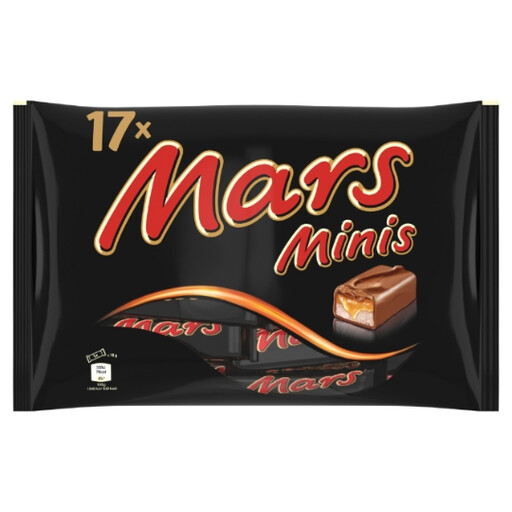 Image unavailable
Mars Minis with caramel and nougat, 333 g pack
A choice of mini chocolate bars to share, rather than classic chocolate bars. The pack weighs 333 g in total. If you’re planning to serve one per guest, check the number of pieces and how they’re packaged.
View on Joybuy
 Image unavailable
KitKat Strawberry Short Cake, 9 pieces, 104.4 g
Consider this if you’d like to serve small coated wafer bars rather than mini chocolate bars. The pack contains 9 pieces and weighs 104.4 g. If you’re comparing this recipe with another, check the nutritional information on the packaging.
View on Joybuy
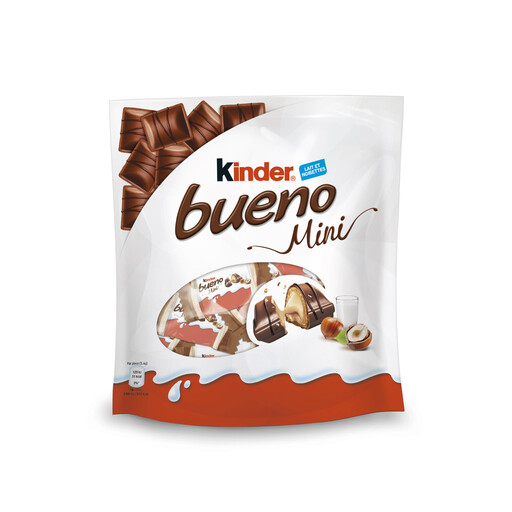 Image unavailable
Kinder Bueno Mini, 108 g pack
These filled chocolates can be served as small sharing treats, although they aren’t chocolate bars. The pack weighs 108 g, so check the number of pieces before planning how to serve them. The recipe lists hazelnuts, milk and soya, among other ingredients.
View on Joybuy
Frequently asked questions
Is Nutri-Score compulsory on a mini chocolate bar sold in France?
No. The DGCCRF says that Nutri-Score is a voluntary front-of-pack label. To compare two recipes, check their nutritional information and ingredients instead. The absence of this logo isn’t enough on its own to judge a product.
Does the levy on sugary drinks apply to chocolate bites?
No, not to these solid products. Article 1613 ter of the French General Tax Code, published on Légifrance, applies to drinks and liquid preparations for drinks, not chocolate bars or bites. Sugar content is still worth checking when comparing recipes.
How do you compare the sugar content of two small-format treats?
Start by comparing the ‘of which sugars’ figure per 100 g on each nutrition declaration. This means you’re comparing the products on the same basis. If the weight of an individual piece is stated, you can then use it to assess the amount you plan to serve. The DGCCRF specifies that the nutrition declaration for relevant prepacked foods is presented per 100 g.
What should you leave out for guests with allergies?
Keep the packaging for each recipe beside the treats you serve so guests can check its ingredients list and any ‘may contain’ statements. The DGCCRF reminds consumers that allergens must be highlighted in the ingredients list for prepacked foods. Don’t assume that two small-format treats have the same ingredients.


