What should you look for?
For a regular snack, first decide whether a biscuit should be part of it at all. If you’re planning to offer one occasionally, check the guidance on eating it and read the label before choosing a mini format.
A snack without biscuits
Consider this: For a regular snack for a child aged 1 to 3, Manger Bouger recommends choosing toast with fruit or fruit purée, or a dairy product.
Bear in mind: this option may take more preparation than a ready-to-go packet of biscuits.
Biscuits made for babies
Consider this: for an occasional treat, if your child is old enough for the specific product and meets its conditions of use.
Bear in mind: labels such as ‘baby’ or ‘organic’ don’t mean you can skip the ingredients and nutrition information. Auchan lists 32 g of sugars per 100 g for its Biscuits fondants Auchan Baby Bio, suitable from 10 months.
Regular mini biscuits
Consider this: as an occasional treat for a child who can chew well. Don’t assume that a small size means a biscuit is made for toddlers.
Bear in mind: St Michel presents its Petites Galettes au bon beurre in a mini format as an accompaniment to coffee, not as a biscuit for babies.
| Criterion |
What to check |
Who might care most? |
| Whether to include biscuits at snack time |
Decide whether biscuits are an occasional or regular choice; don’t mistake their small size for a nutritional benefit. |
I want to plan everyday snacks without making biscuits the automatic choice: around 42% of consumers would give this question priority. |
| Age and ability to bite |
Check the age guidance and conditions of use for the specific product, then make sure your child can manage the pieces it requires. |
My child is learning to eat pieces of food, and I need to know whether they can bite this product; this would be the top priority for around 33% of consumers. |
| Portion size and ingredients |
Choose how much to serve; compare the ingredients, allergens and nutrition information per 100 g and, if provided, per portion. |
I want a snack that’s easy to take out without letting the packet decide how much I give my child: around 25% of consumers would prioritise this. |
Joybuy products for snack time
These products include biscuits made for babies and a fruit purée if you’re considering a snack without biscuits. They come in different pack sizes, and not all of them are mini bites. For each product, check the packaging and choose a portion to suit your needs.
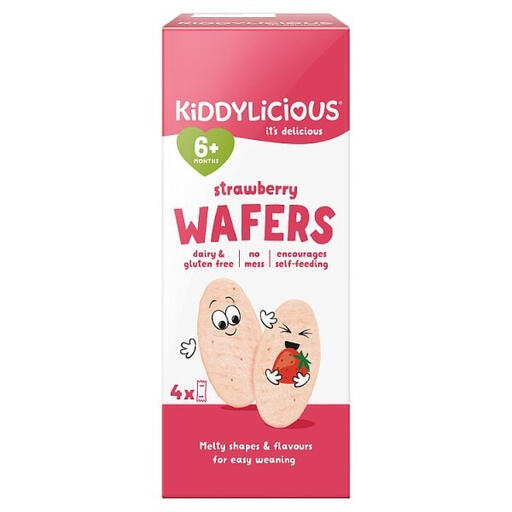 Image unavailable
Kiddylicious strawberry wafers, 16 g, 4 × 2 pieces
If you’re considering a biscuit in small portions to take out, check the age and serving guidance before offering it to your child.
Pack size listed: 16 g, 4 × 2 pieces. Check the ingredients, allergens and nutrition information on the packaging, and supervise your child while they eat.
View on Joybuy
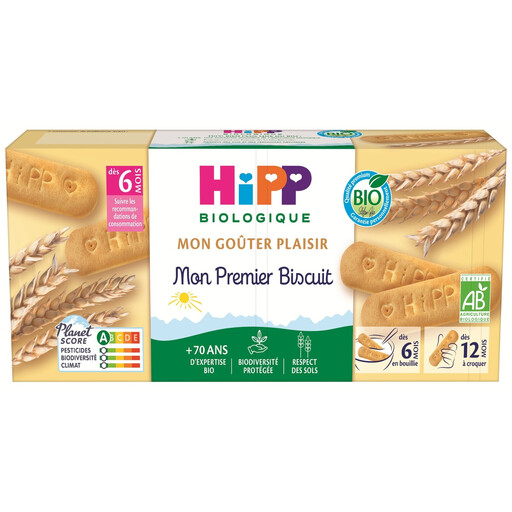 Image unavailable
HiPP Organic My First Biscuit, from 6 months, 4 × 45 g
For a baby biscuit with an age recommendation in its name, also check the serving guidance and whether your child can manage pieces of food.
Age guidance: from 6 months. Pack size: 4 × 45 g. The word ‘Organic’ doesn’t replace checking the ingredients, allergens and nutrition information for this product.
View on Joybuy
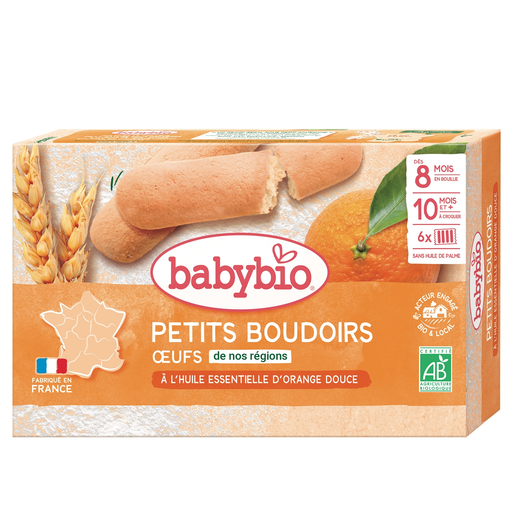 Image unavailable
BABYBIO orange-flavoured baby sponge fingers, from 8 months, 120 g
When comparing sponge fingers made for babies, the age recommendation is a starting point. Also check the serving guidance and whether your child can manage pieces of food.
Age guidance: from 8 months. Pack size: 120 g. Decide how much to serve, and check the ingredients, allergens and nutrition information on the packet.
View on Joybuy
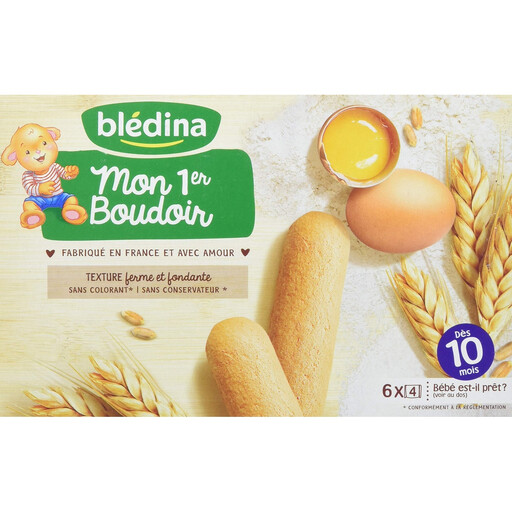 Image unavailable
BLÉDINA Mon 1er Blédiscuit, from 10 months, 120 g
If you’re considering this biscuit for a child who already eats pieces of food, weigh the age guidance against the conditions of use and your child’s current abilities.
Age guidance: from 10 months. Pack size: 120 g. Before serving, check the allergens and nutrition information on the packaging. Make sure your child is sitting down and supervise them while they eat.
View on Joybuy
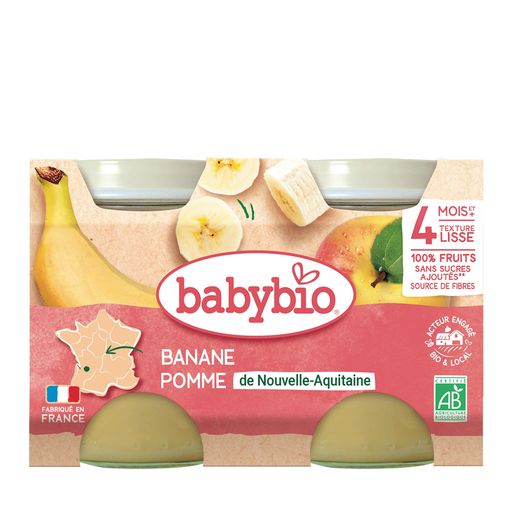 Image unavailable
BABYBIO apple and banana purée, from 4 months, 2 × 130 g
If you’re putting together a snack without biscuits, this purée offers another type of product. It won’t suit you if you’re looking to buy mini cakes.
Age guidance: from 4 months. Pack size: 2 × 130 g. Check the serving and storage instructions for after opening, as well as the nutrition information on the packaging.
View on Joybuy
Frequently asked questions
Is a mini biscuit better for a toddler because it’s easy to portion?
No. Its small size can help you decide how much to serve, but it doesn’t change the recipe or its place at snack time. For children aged 1 to 3, Manger Bouger recommends limiting cakes and biscuits as much as possible and introducing them as late as possible.
At what age can a child bite into a baby biscuit?
It depends on the specific product and your child’s abilities, not just the category name. Check the age guidance and conditions on the product. Some products described by Auchan specify, for example, that the child should be able to sit up, already eat small pieces of food and be able to eat bread.
What should you compare on a packet of biscuits?
Compare the ingredients list, listed allergens and nutrition information for the exact product, including sugars, fat and salt per 100 g. The French Directorate-General for Competition, Consumer Affairs and Fraud Control notes that the labelling of prepacked foods includes, among other things, the product name, ingredients list, nutrition declaration, net quantity and a date.
Is a biscuit labelled ‘organic’ or ‘for babies’ necessarily low in sugar?
No. These labels don’t tell you how much sugar a product contains. For a specific example, Auchan lists 32 g of sugars per 100 g for its Biscuits fondants Auchan Baby Bio, suitable from 10 months. Check the nutrition information for the biscuit you’re thinking of buying.


