To decide how much to serve at a weekend breakfast, choose a format where you can count the pieces or sachets, then compare the nutritional information per 100 g with the amount you’ll actually eat. Check the product description too: a chocolate-coated biscuit or an assortment containing white chocolate isn’t the same as a bite made entirely of white chocolate. According to Santé publique France, displaying the Nutri-Score is voluntary, so whether or not it appears on the pack, you should still read the label.
Who might these formats suit?
People who decide on a portion before serving
Counting out bites or biscuits, or opening a separate sachet, can make it easier to see how much you’ve chosen to serve at a weekend breakfast. If you want to know the exact amount, remember to check the weight of each piece.
Shoppers comparing sugar content
“Mini” describes the size, not the nutritional values. Compare the sugar content per 100 g, then work out how much that means for the portion you plan to serve.
Households mindful of ingredients and allergens
Chocolate, an assortment and a chocolate-coated biscuit can all have different ingredients. Check the ingredients list and any highlighted allergens on the pack of the product you choose.
What should you check before choosing?
Start with the amount you want to serve, then check the recipe and nutritional information for the specific product.
| What to consider |
What to check |
Who is this for? |
| Easy-to-see portion |
Number of pieces or sachets, and the weight of each one, if listed. |
If I’m serving several people, I want to choose how much to serve before opening the whole pack; around 40% of consumers put portion control first. |
| Sugars and nutritional information |
Sugars and energy per 100 g, then the amount for the portion you plan to serve. |
For breakfast, I’d rather compare the sugars in the recipe than judge by the size of the pieces; around 40% of consumers prioritise this check. |
| Recipe and allergens |
Product description, ingredients and allergens highlighted on the packaging. |
If someone in my household needs to avoid an ingredient, I need to identify the exact recipe before serving it; around 20% of consumers prioritise its ingredients and allergens. |
Common misconceptions to avoid
-
Using the “soda tax” to judge white chocolate
The rules set out by Légifrance apply to drinks and liquid preparations for drinks, not solid chocolate bites or bars. This levy doesn’t tell you anything about their sugar content.
To compare two solid products, check their nutritional values instead and decide how much you plan to serve.
-
Assuming the absence of a Nutri-Score means a poor result
According to Santé publique France, producers display the Nutri-Score voluntarily. Its absence therefore doesn’t tell you anything about the product on its own.
Whether or not it’s displayed, check the nutritional information, ingredients and allergens for the product you’ve chosen.
-
Confusing white chocolate bites with chocolate-coated products
A chocolate-coated biscuit or wafer contains other ingredients besides white chocolate, while an assortment may include several different recipes.
Check the product description and ingredients list if you want every piece to be made with white chocolate.
-
Overlooking allergens because the pieces are small
The size of a piece doesn’t change the ingredients in its recipe. According to the French Ministry of the Economy, allergenic ingredients must be listed and highlighted on the label.
Check these details, as well as any warnings about possible traces, on the pack you buy.
Brands to consider in these formats
Lindt
Lindt France offers white chocolate, as well as bite-sized formats and assortments.
- The LINDOR Mini Cadeau Assorti 75 g could suit you if you’d like to share bites in different flavours, including one white chocolate variety.
- Lindt France says it also contains milk and dark chocolate varieties, so not every piece is white chocolate. Check the allergens on the box you choose.
Milka
The Carrefour product listing describes Milka Mini Stars White as milk-filled biscuits coated in white chocolate, in a box of four sachets with a total weight of 150 g.
- The sachets let you choose how many to open when it’s time to serve.
- These are biscuits, not white chocolate bites. Check the ingredients and allergens for this recipe, including the wheat, milk and soya listed by Carrefour.
Nestlé / Galak
Nestlé France presents GALAK as a white chocolate range.
- It’s a brand to consider if you’re looking for white chocolate rather than a chocolate-coated biscuit.
- If you want to serve small portions, check the format, weight and label of the GALAK product you’re considering.
Joybuy products to compare formats
These products let you compare wafers, a white chocolate biscuit and white chocolate and strawberry pieces. Their descriptions and weights can help you tell the pack size apart from the amount you plan to serve.
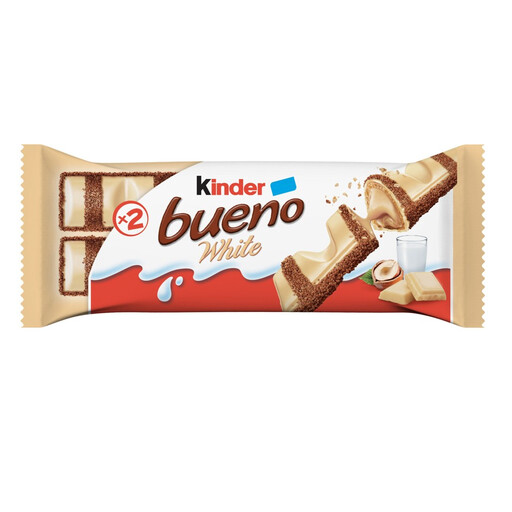 Image unavailable
Kinder Bueno White Bipack 39 g
The bipack lets you choose between serving part of the pack or the whole thing. These are chocolate-coated wafers, not bites made entirely of white chocolate; check the packaging and the amount you plan to serve.
View on Joybuy
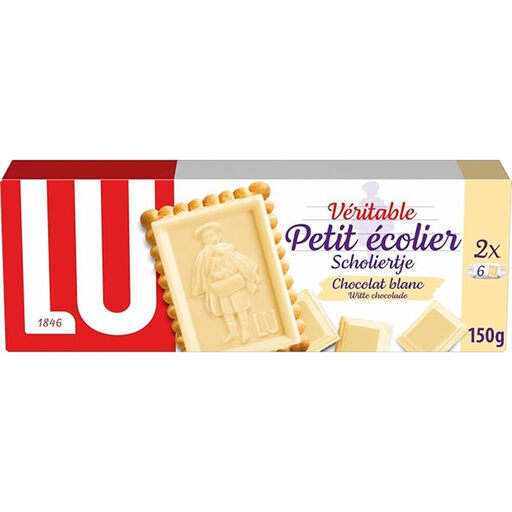 Image unavailable
PETIT ECOLIER Choco Blanc 150 g
This 150 g pack is a good choice if you’d prefer to serve biscuits rather than white chocolate bites. To work out how much you’re serving, check the weight of each biscuit and count the pieces.
View on Joybuy
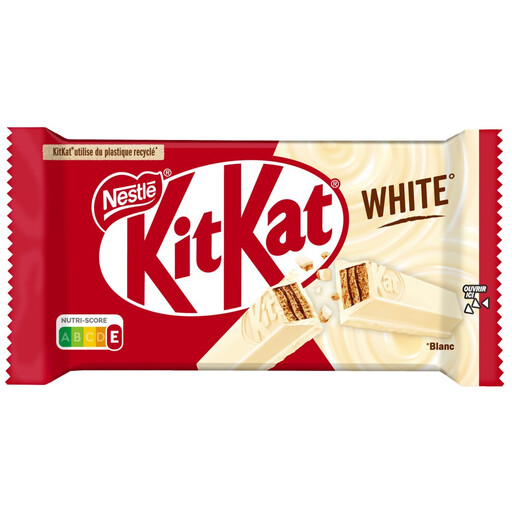 Image unavailable
KitKat White Unite 41,5 g
This 41,5 g bar gives you a weight to bear in mind when serving. It’s a white chocolate wafer, not a mini bite made entirely of white chocolate; check the format if you’re looking for smaller pieces.
View on Joybuy
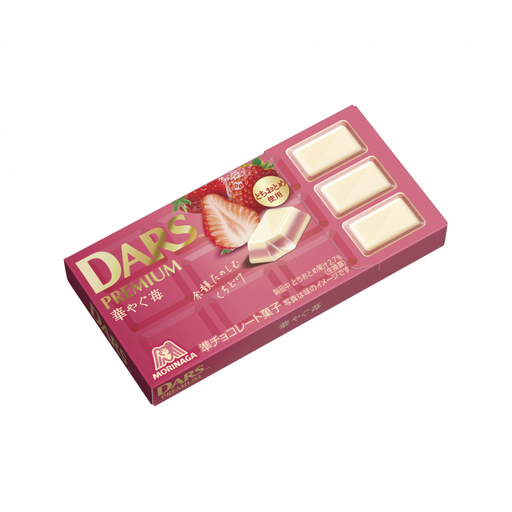 Image unavailable
Morinaga Dars Premium White Chocolate Strawberry 46,8 g
You can count out the white chocolate and strawberry pieces before serving. The pack weighs 46,8 g; check the number and weight of the pieces, along with the ingredients and allergens, on the packaging.
View on Joybuy
Frequently asked questions
Does the French “soda tax” apply to white chocolate bites?
No, not to solid bites as such. The rules set out by Légifrance cover drinks and liquid preparations for drinks. When choosing between white chocolates, compare their labels and the amount you plan to serve instead.
Is the Nutri-Score compulsory on prepacked white chocolate?
No. According to Santé publique France, producers can choose whether to display it. If the logo isn’t shown, check the nutritional information, ingredients and allergens rather than drawing conclusions from its absence.
How can I compare two mini formats with different weights?
First compare their nutritional values per 100 g, then check the weight you plan to serve. If the weight per piece isn’t listed, check the packaging before working out the values for several pieces.
Does a “mini” product necessarily contain less sugar?
No: “mini” describes the size or format, not the sugar content of the recipe. Check the sugars per 100 g and bear in mind how much you’ll actually eat.


