Hosts preparing sharing nibbles
You’re looking for pieces that are easy to arrange on a platter, pick up and top shortly before serving. Mini toasts and crackers are worth comparing by size and the number of pieces in each pack.


For bite-sized nibbles, choose mini toasts or crackers; for more generous toppings, opt for sliced toast or rusks. If you’re deciding between a brioche, wheat or wholemeal recipe, compare the ingredients and nutritional values per 100 g, then check the allergens on the pack you’ll be serving to your guests.
You’re looking for pieces that are easy to arrange on a platter, pick up and top shortly before serving. Mini toasts and crackers are worth comparing by size and the number of pieces in each pack.
You’d like a brioche recipe to go with certain sweet or sweet-and-savoury toppings. Check the ingredients of the product you’re considering: brioche toast has a different recipe from other toasted bread.
If your guests have dietary requirements, check the exact product before planning the toppings. Depending on the product, the label may list wheat, milk, eggs or traces of other allergens.
First decide whether you’ll serve individual nibbles or larger slices of toast. Then check the recipe against your toppings and your guests’ dietary requirements.
| Criteria | What to check | Who might prioritise it? |
|---|---|---|
| Format and serving | Compare the size and number of pieces per pack with the toppings you have in mind. | For a platter where everyone can help themselves, I’d go for individual pieces; around 40% of consumers would make format their priority. |
| Type of recipe | Read the ingredients list for a brioche version and a wheat version before choosing. | If your toppings call for a brioche base, that’s the recipe I’d look at first; around 30% of consumers would prioritise this criterion. |
| Ingredients and allergens | Check the allergens on the exact pack and compare fibre, sugars, fat and salt per 100 g. | When my guests have dietary requirements, ingredients come before presentation; they’d be the main concern for around 30% of consumers. |
The term doesn’t tell you whether a slice of toast will work with your toppings or what the product contains. The Carrefour and Heudebert brioche recipes mentioned here have different ingredients from their wheat versions.
Choose your serving format first, then compare the ingredients and nutritional information for the products you’re considering, using the same 100 g basis.
A wheat recipe contains wheat; other products may also list milk, eggs or traces. In France, the Ministry of the Economy states that allergenic ingredients must be listed and highlighted on food labels.
Ask about dietary requirements before dinner, read the current label on the exact pack and keep it to hand when serving.
A product listing doesn’t guarantee that the product will be in stock or deliverable to your chosen address when you order.
Check availability, location and delivery date before settling on your toppings, and have another format in mind that suits the way you plan to serve them.
Compare individual products rather than assuming what a type of toast contains from the brand name alone: formats, ingredients and allergens vary from one product to another.
The range includes wheat toast, brioche toast and table crackers, giving you several possible bases for a dinner to share.
Crunchy wheat toast offers another base to top for an informal meal.
The products mentioned let you compare brioche toast with wholemeal wheat toast.
Wholemeal wheat mini toasts are a format worth considering if you’re preparing individual portions.
The E.Leclerc range includes wheat, wholemeal wheat and brioche toast, as well as cereal and rye slices.
These products offer two formats for dinner: crackers to arrange on a platter and sliced rusks to spread with toppings. Choose according to your toppings and check how many you’ll need for your guests.
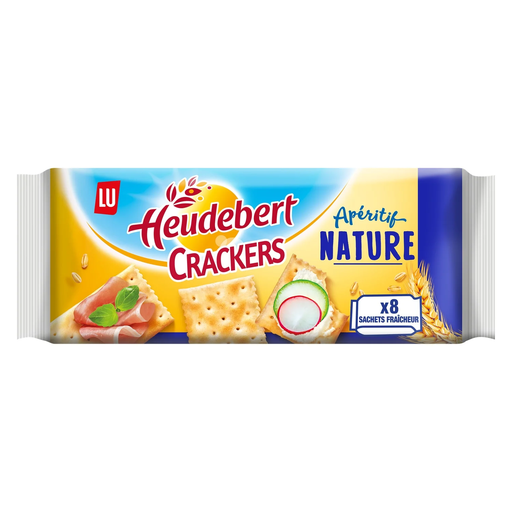 Image unavailable
These table crackers can be used as a base for small toppings on a platter.
The pack contains 250 g. The listing for this product mentions wheat and states that it may contain egg and milk. Check the pack label if these allergens are relevant to your guests. Also check how many crackers are in the pack before planning portions.
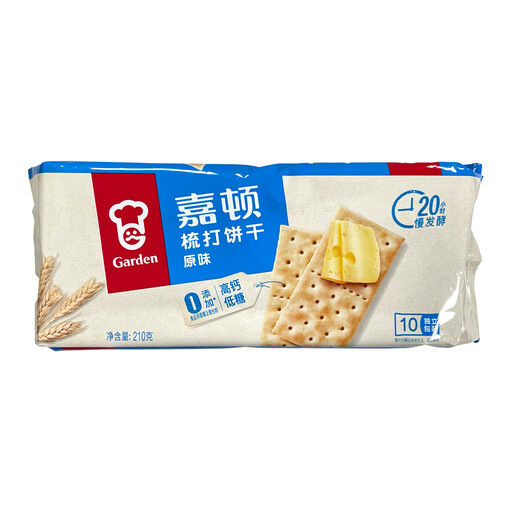 Image unavailable
These crackers are worth considering with cheese or dips.
The pack contains 210 g. If your guests have dietary requirements relating to wheat, soya or barley, read the current label before serving. Check the size and number of crackers when planning your platter.
 Image unavailable
These sliced rusks are a good choice if you’d rather prepare toast than bite-sized nibbles.
The pack contains 300 g. Check the current ingredients and allergens on the packaging, especially if soya is relevant to your guests, and work out how many slices you’ll need for the meal.
Read the label on the exact pack you’ll be serving. The Ministry of the Economy states that allergenic ingredients must be listed and highlighted. Depending on the recipe, check for wheat, milk and eggs in particular, as well as any stated traces. The words “wholemeal” or “plain” don’t guarantee that a product is free from allergens.
When comparing two packs, start with the values per 100 g. The DGCCRF states that nutritional information is given per 100 g or 100 ml; you can then take into account how many pieces each person will actually be served.
Follow the instructions on the pack and check its best-before date. To make serving easier, keep moist toppings separate and assemble the nibbles shortly before serving.
Check that it’s available and can be delivered to your address before making it the basis of your menu. Also check the product and quantity in your basket: another product from the same brand won’t have the same details for your dinner.