What should you look at first?
First decide how you’d like to measure your portion, then look at the ingredients and pack size. A sachet contains a set amount, but not necessarily just one biscuit.
| What to consider |
What to check |
Who is it for? |
| Portion guide |
Number of biscuits per pack; weight and nutritional information per portion. |
To decide how much I’m having before opening the pack, I need to count the biscuits or know the weight of the sachet. Around 36% of consumers prioritise this. |
| Nutritional values |
Sugars and fat per 100 g, then for the portion you’re considering. |
If I’m comparing two recipes for breakfast, the biscuits’ small size doesn’t help me make an informed choice. Around 29% of consumers put comparing nutritional values first. |
| Ingredients and allergens |
Ingredients and allergens for the exact product, including any possible traces. |
If an ingredient or allergen is a concern for my household, I need to read the recipe before choosing a format. This is the top priority for around 21% of consumers. |
| Pack size |
Total weight, number of sachets and storage instructions. |
For occasional use, I prefer to check that the box suits how quickly we’ll get through it. Around 14% of consumers prioritise pack size. |
Mini biscuits to consider on Joybuy
These two matcha products offer small biscuits if you’d like to count them or look for individually wrapped options. They’re not presented as classic shortbread, so check the product category and recipe if you’re looking for that specific type of biscuit.
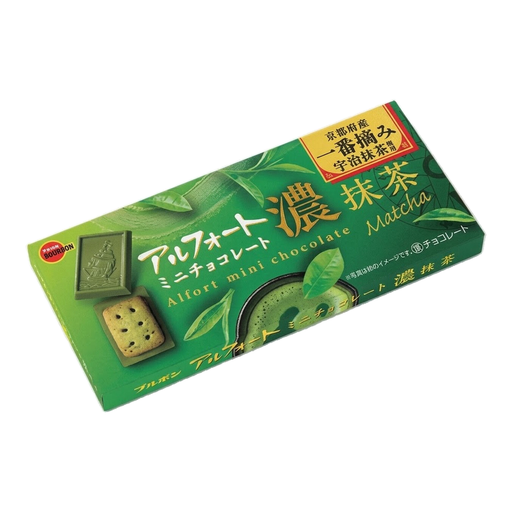 Image unavailable
Bourbon Alfort Mini Chocolate Dark Matcha, 12 pieces, 60 g
Worth considering if you’d like to choose how many biscuits to have before breakfast: the pack states 12 pieces for 60 g. These are digestive-style biscuits coated in matcha chocolate, rather than classic shortbread.
The listing describes the biscuits as individually wrapped and states 40 g of sugars per 100 g. If your choice depends on the nutritional values per biscuit or whether they contain wheat, milk or soya, check the packaging.
View on Joybuy
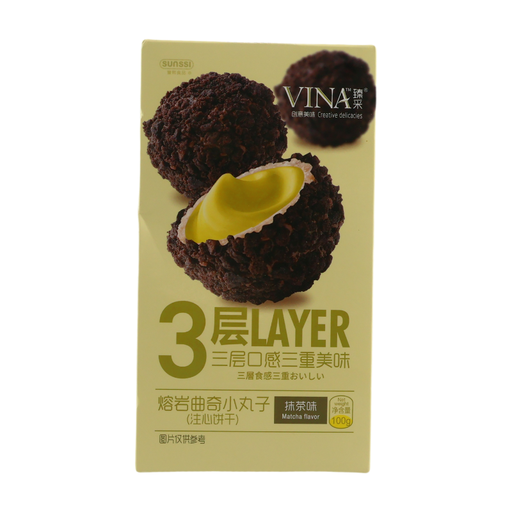 Image unavailable
Franzzi Cookie Mini Balls Matcha Flavour, 100 g
Worth a look if you’re after matcha biscuit bites in a 100 g pack. This product is described as cookie balls, not shortbread.
The listing mentions individual wrapping and states 35 g of sugars per 100 g. To work out how many bites to have, check the number of pieces and the nutritional information per piece on the packaging. Also check the ingredients if wheat or milk is a factor in your choice.
View on Joybuy
Frequently asked questions
How can I decide on a portion of mini biscuits?
Decide how many biscuits or sachets you’ll have before opening the pack, using their weight and any portion information provided. A Prince sachet weighs 40 g, while St Michel gives a value per portion for its Petites Galettes: these are two different ways to measure your portion.
Does a mini shortbread biscuit always contain less sugar than a larger one?
No. The size of a biscuit doesn’t tell you how much sugar it contains. E.Leclerc and Auchan list 27.4 g and 29 g of sugars per 100 g respectively for their chocolate mini products. Compare the values for the recipe you’re interested in with the amount you plan to eat.
What should you check if someone in your household has an allergy?
Read the ingredients list and any statements about possible traces on the packaging of the product you buy. According to the DGCCRF, allergens in pre-packed foods must be emphasised in the ingredients list; the recipes mentioned here don’t all contain the same ingredients.
How should you store a large box of individually wrapped biscuits?
Follow the date and storage instructions on the pack. For its Petites Galettes au bon beurre, St Michel recommends storing them in a dry place, away from heat and light. Instructions may differ for other products.
Do shortbread biscuits sold in France have to display the Nutri-Score?
No. The DGCCRF explains that displaying the Nutri-Score is voluntary in France. If it appears, read it alongside the ingredients list, nutritional values per 100 g and the amount you plan to eat. Don’t use it on its own as a personal recommendation.


