Someone living alone without an oven
If you reheat individual portions but also want to cook, start with the meals you usually make: dishes for gratinating, one-pot meals or reheating. Then measure the space you can give the appliance.


Choose according to the meals you make most often: a mini oven for gratins and baking, a multicooker for one-pot dishes, or a combination microwave if reheating and defrosting matter as much as some types of cooking. A multifunction appliance can cover other uses too, provided its settings and accessories suit your recipes. In a studio flat, also compare the external dimensions and check the installation, ventilation and power supply requirements in the manual for the exact model.
If you reheat individual portions but also want to cook, start with the meals you usually make: dishes for gratinating, one-pot meals or reheating. Then measure the space you can give the appliance.
The depth, door or lid clearance, and space required around the appliance according to the manual may matter more than its stated capacity. If you need to put it away after every use, check its weight too.
A combination appliance is worth considering if its functions genuinely cover the recipes you make. If your meals are mainly rice, soups or slow-cooked dishes, a multicooker may be a more targeted choice than an appliance with settings you rarely use.
First, identify the types of cooking you need. Then compare each appliance’s capacity and functions with the space you have available.
Consider it: if quiches, gratins, pizzas or baked treats feature regularly on your menu.
The trade-off: a smaller cavity limits the size of dishes you can use; a larger one takes up more space.
Consider it: for rice, soups, steaming and slow-cooked dishes made in the cooking pot.
The trade-off: one-pot programmes may not cover dishes that need an ovenproof dish for gratinating or a large cooking surface.
Consider it: if the settings and accessories of one appliance can handle several of your recipes.
The trade-off: a long list of functions doesn’t guarantee that all your dishes or cookware will fit.
Consider it: if you often reheat and defrost food, but also want extra cooking functions.
The trade-off: a moderately sized cavity can still come with a large footprint and considerable weight for a narrow worktop.
| Consideration | What to check | What I need |
|---|---|---|
| Available space | Compare the appliance’s external width, depth and height with the space where it will sit. Allow room to open the door or lid, and check the clearances in the manual for the exact model. | My worktop is narrow, so I need to be able to use the appliance without blocking the surrounding space. |
| Cooking settings | For oven-style cooking, check the heat settings and grill; for one-pot dishes, look for programmes suited to your recipes. If reheating is a priority, check the combination microwave’s functions and accessories. | I want to cook the meals I make regularly, without paying for settings I won’t use. |
| Usable capacity | Check the size of dishes or the portions you can make, not just the capacity in litres. For a mini oven, also check the internal dimensions and number of shelf levels. | For everyday meals, a large capacity is only useful if it suits my portions and fits in my kitchen. |
| Cleaning | Check which parts are removable, which the manufacturer says are dishwasher-safe, and what cleaning method is recommended in the manual. | If I use the appliance every day, I’d like to know which parts need to be washed by hand. |
| Installation and storage | Check the manual for the exact model for ventilation, clearances and electrical requirements. If you’ll be moving the appliance, compare its weight too. | I need to be able to set up the appliance in the space I’ve chosen and, if necessary, put it away after use. |
Internal capacity doesn’t tell you how much space the appliance takes up. According to Whirlpool, its MCP349WH and MWF259SG combination microwaves each have a 25 L cavity, but measure 49.4 cm and 46.8 cm deep respectively.
Measure the space, allow room to open the appliance, and check the clearances listed in the manual for the model you’re considering.
A multicooker’s programmes are mainly for one-pot cooking, while a mini oven is suited to different recipes. The number of functions alone doesn’t tell you whether your dishes and accessories will be suitable.
Make a note of a few meals you actually cook, then check the required setting, container size and included accessories for each one.
A removable cooking pot or cleaning programme doesn’t mean you can skip looking after the other parts as instructed by the manufacturer.
Check separately which parts are washable, what coatings they have, and how the chosen model should be cleaned.
The Moulinex models considered here include a 33 L Optimo mini oven, a 5 L MK708810 multicooker and the multifunction Cook in One. They’re designed for different types of cooking.
The TO 2052 mini oven is a useful comparison for smaller meals: Severin lists a capacity of 9 L and a power rating of 800 W.
The Whirlpool MCP349WH and MWF259SG combination microwaves each have a stated cavity capacity of 25 L. The MCP349WH also includes a forced-air function.
These Joybuy options include multicookers and electric cooking pots for rice, soups and other one-pot meals. They won’t meet the need to gratinate a dish or quickly reheat food in a microwave in the same way.
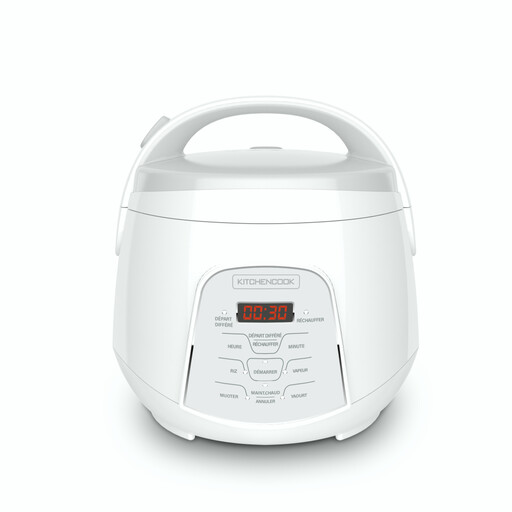 Image unavailable
An option for one-pot meals such as rice or soup, rather than gratins. The stated 2 L capacity refers to uncooked rice. Check how many portions it can make for your recipes, as well as the installation and lid-opening instructions in the exact model’s manual.
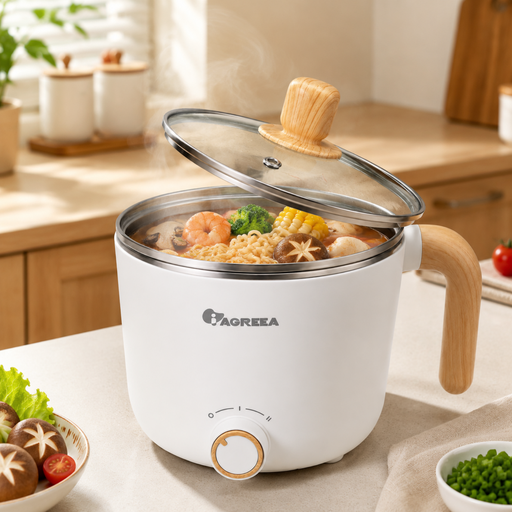 Image unavailable
Worth considering for small one-pot meals, including soups, rice or pasta. The product name lists a stainless steel inner pot and two power settings: 300 W and 600 W. Check its external dimensions and installation instructions against the space you have.
 Image unavailable
Designed for one-pot and steamed dishes rather than oven-style cooking. The product name lists a non-stick coating and two power settings. If you live alone, compare its 5 L capacity with your usual portions, then check its size and installation instructions.
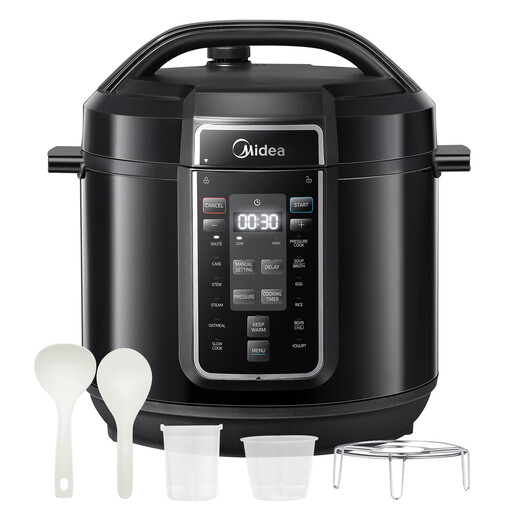 Image unavailable
Worth considering if you cook large quantities of one-pot meals rather than individual portions. The product name lists 12 programmes; an 8 L capacity may be more than one person needs. When pressure cooking, follow the filling and pressure-release instructions for the exact model, and check its installation requirements.
It can cover some of the same uses if your portions and dishes fit in the cavity and its settings suit your recipes. Before deciding, compare the size of your dishes, the capacity, the cooking levels and the external dimensions.
Not for every type of cooking. A multicooker suits recipes made in the cooking pot, such as rice, soups and slow-cooked dishes, while a mini oven is designed for oven-style cooking. If you’re interested in a combination appliance, check that its settings, usable cooking space and accessories suit the meals you usually make.
Not necessarily. Whirlpool lists the MCP349WH as 49.4 cm deep and the MWF259SG as 46.8 cm deep; both have a 25 L cavity. Compare the external dimensions with your worktop and check the manual for the exact model’s clearance requirements.