If you often reheat and defrost food, choose a combination microwave with cooking modes that suit the meals you make too. If you mainly prepare tarts, gratins or roasts, a mini oven is better suited to your needs, but it won’t reheat food using microwaves. Having two separate appliances is only an option if each has a ventilated space and a suitable power supply.
Who is this choice for?
In a kitchenette, the right choice depends less on the number of advertised functions and more on the meals you prepare and the space you can actually use.
Studio flat or kitchenette renters
If there isn’t room for two appliances on your worktop, compare how often you reheat food with how often you cook in the oven. Measure the space too, allowing for the door and the ventilation clearances specified in the manual.
People who regularly cook in an oven
For tarts, gratins, quiches or dishes for several people, check the size of the tins and dishes that will fit. The capacity in litres alone won’t tell you whether your dish will fit inside.
Households that often reheat meals
A microwave is useful for reheating and defrosting. If you also want to brown or cook certain dishes, check the exact modes on the model you’re considering. A grill function doesn’t mean it has convection cooking.
What should you check?
Combination microwave
Worth considering: if you often reheat and defrost food, and want to combine these functions with some cooking modes.
Keep in mind: cooking results vary depending on the dish and the model. A study by ADEME and the French National Consumer Institute highlights this variation.
Mini oven
Worth considering: if tarts, gratins and roasts feature more often in your meals than reheating food by microwave.
Keep in mind: a mini oven designed for conventional cooking won’t, on its own, do the job of a microwave.
Two separate appliances
Worth considering: only if you have a stable, ventilated space for both a microwave and a mini oven.
Keep in mind: this option takes up two spaces and means checking the electrical connections, especially if both appliances might be used at the same time.
Start with the meals you usually make, then compare the functions you need with each model’s dimensions, compatible cookware and installation requirements.
| Consideration |
What to check |
My needs |
| Cooking modes |
Check the microwave, grill and convection functions separately. Compare them with the dishes you make; a grill alone doesn’t confirm that the appliance has convection. |
I often reheat meals, but I also want to know whether the appliance can cook the gratins or baked goods I actually make. |
| Space and cookware |
Measure the appliance’s width, height and depth, then check the manual for clearance requirements. Check the dimensions of compatible dishes or the turntable, as well as the capacity in litres. |
My usual baking tin needs to fit inside the appliance, and I need to be able to open its door without obstructing the rest of the worktop. |
| Installation |
Use a stable surface and keep the vents clear, as instructed in the manual. Check the available power supply and avoid overloading an extension lead or daisy-chaining connections. |
I want to be able to position and plug in the appliance without blocking its ventilation or overloading the kitchenette’s sockets. |
| Expected results |
Choose a few meals you make regularly and check which cooking modes each one requires. The ADEME and French National Consumer Institute study found that results from combination ovens vary by dish, model and brand. |
If most of my meals are oven-cooked, I don’t want to assume that the word ‘combination’ means every recipe will turn out the same. |
Mistakes to avoid
-
Choosing based on capacity in litres alone
Two oven cavities with the same capacity may fit different dishes. For example, SEB says its 30 L Délice Turbo model can fit a round dish measuring 35 cm. This applies to that model, not to every 30 L mini oven.
Measure the dish or tin you use most often and compare it with the dimensions accepted by the model you’re considering. Check the appliance’s external dimensions too, including the door.
-
Assuming a combination appliance will cook everything like an oven
The ADEME and French National Consumer Institute study describes how the effectiveness of combination ovens varies depending on the dish, model and brand. The category name alone won’t tell you how every recipe will turn out.
Make a list of three or four meals you regularly prepare, then check which cooking modes each one requires before choosing an appliance.
-
Slotting an appliance into a recess without checking its vents
A freestanding appliance needs the clearances specified for that model. Placing it against other objects or under a cupboard without checking the manual could restrict its ventilation.
Measure the available space, allowing for the clearances required in the manual. Don’t try to turn a freestanding appliance into a built-in one simply because space is limited.
-
Plugging another appliance into an already overloaded extension lead
Promotelec warns that an overloaded extension lead can cause cables to overheat and short circuits. This is especially important if you’re considering two separate cooking appliances.
Check the power ratings and existing connections. If you’re unsure about the capacity of your electrical installation, have it checked rather than adding extension leads or daisy-chaining power strips.
A guide to the brands
These examples illustrate different types of appliance and their limitations; the features of one model don’t necessarily apply to a brand’s entire range.
Whirlpool
The range includes freestanding microwaves to consider if you need to combine reheating with other cooking functions in the available space.
- Whirlpool France lists the MWF259SG as having a capacity of 25 L.
- Check the functions and dish sizes for the model you choose: a capacity of 25 L doesn’t guarantee it can replace an oven for every recipe.
SEB
Its freestanding mini ovens include models worth considering if oven cooking is your priority.
- SEB says a 35 cm round dish fits in its Délice Turbo 30 L, which is useful when comparing the size of your own baking tins.
- A mini oven for conventional cooking won’t reheat food using microwaves.
Electrolux
The brand also offers compact built-in ovens, which are different from freestanding appliances designed for a worktop.
- Electrolux France lists the niche dimensions for the KVLBE08X as 450 × 560 × 550 mm.
- For a built-in installation, you’ll need to check the niche and installation requirements for the exact model. It won’t automatically solve a lack of space in a kitchenette.
Appliances available on Joybuy
These three freestanding microwaves and one mini oven offer a way to compare two different needs: reheating meals or prioritising oven cooking. Check each model’s functions rather than assuming that all microwaves are convection ovens.
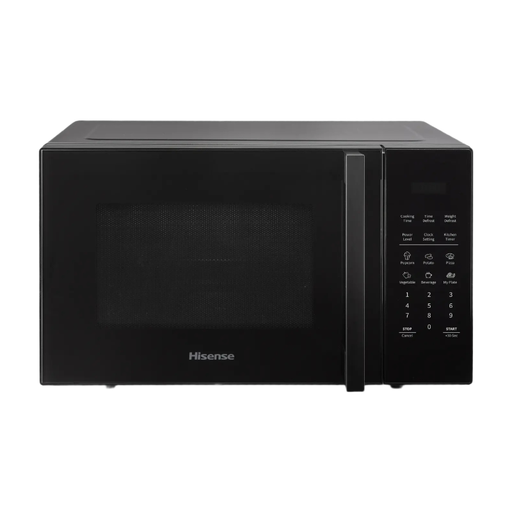 Image unavailable
Hisense H25MOBS7H Solo, 25 L
Worth considering if reheating is your main use. The product title lists a capacity of 25 L and microwave power of 900 W. Before relying on it to brown or oven-cook dishes, check its exact modes, the space it needs and the ventilation requirements.
View on Joybuy
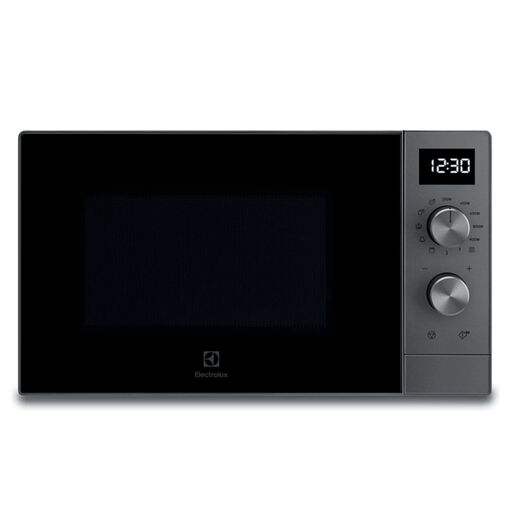 Image unavailable
Electrolux EMZ725MMTI Inverter with grill, 25 L
The grill could be useful if you’d like to brown a dish occasionally while still having a microwave for reheating. The product title specifies a capacity of 25 L and 900 W microwave power. Check the size of your dishes, the ventilation clearances and the cooking modes before comparing it with a mini oven.
View on Joybuy
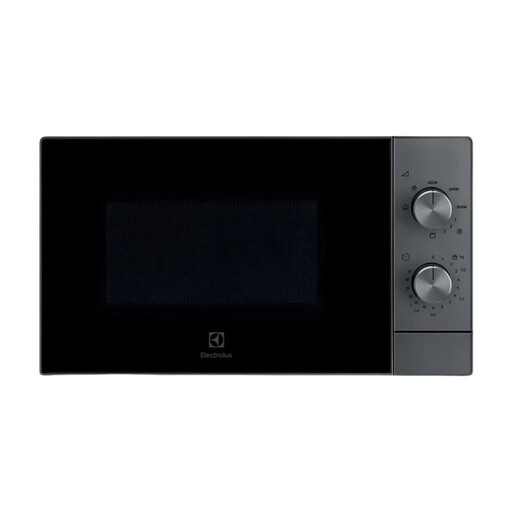 Image unavailable
Electrolux EMZ421MMTI, 21 L
This 800 W microwave is worth comparing with your reheating needs and the size of your plates. Its stated capacity is 21 L; also check the dimensions of compatible dishes, the available modes and the ventilation space required before deciding where to put it.
View on Joybuy
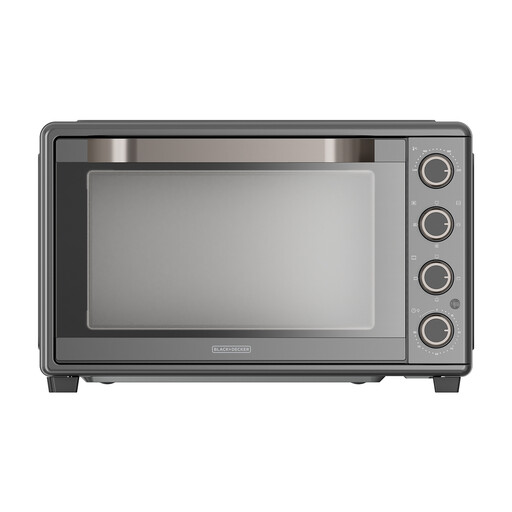 Image unavailable
Black+Decker BXOV3000E, 1500 W mini oven
Worth considering if oven cooking is more important to you than reheating food by microwave. Compare your dishes with the sizes that fit the BXOV3000E, then check its overall dimensions, ventilation and the capacity of your electrical supply. If you often reheat food by microwave, you’ll also need to provide that function separately.
View on Joybuy
Frequently asked questions
Will a combination microwave always replace a mini oven?
No, not for every meal. The ADEME and French National Consumer Institute study found that the effectiveness of combination ovens varies depending on the dish, model and brand. If you mainly cook tarts, gratins or roasts, check the cooking modes and the dimensions of dishes that will fit before deciding against a mini oven.
What should you measure before buying a freestanding appliance?
Measure the available width, height and depth, allowing for the door to open and the ventilation clearances required in the model’s manual. Check that your dishes will fit inside the cavity or on the turntable too: the capacity in litres alone won’t tell you that.
Can you plug a microwave or mini oven into any extension lead?
No. Check the extension lead’s rated power and the power requirements of any appliances that might be running at the same time; avoid daisy-chaining connections. Promotelec warns that an overloaded extension lead can cause cables to overheat. If you’re unsure about the kitchenette’s electrical circuit, have the installation checked.


