Organisers handing out chocolates to a large crowd
For a free-for-all or a sharing bowl, choose a format that lets you plan how many to serve and how many to set aside for refills. Check the net weight and, if stated, the number of pieces.


For handing out chocolates at Music Day, choose individually countable pieces if you want to plan how many each person gets. Filled chocolates or an assortment are better suited to a sharing table. A small size doesn’t tell you how much sugar a chocolate contains: compare the nutrition information per 100 g, check the allergens for the exact recipe and find a cool, dry place to store them before serving.
For a free-for-all or a sharing bowl, choose a format that lets you plan how many to serve and how many to set aside for refills. Check the net weight and, if stated, the number of pieces.
If you’re deciding how many pieces each person will get, compare the sugar content per 100 g too. The word ‘mini’ doesn’t tell you anything about the chocolate’s nutritional values.
If you don’t know everyone’s allergies, keep the packaging to hand and check each recipe. Some bites described by Lindt and Carrefour list milk, hazelnuts or soya, or warn that they may contain other tree nuts.
First decide how the chocolates will be handed out, then compare the labels of formats that suit your needs.
| What matters | What to check | Who is this for? |
|---|---|---|
| How many to hand out | The net weight and the number of pieces, if shown on the pack. | If I want to serve everyone without guessing, I need to be able to count the pieces before putting them out. Around 40% of consumers prioritise this approach to portion planning. |
| Nutritional comparison | Sugars and saturated fat per 100 g; only compare Nutri-Scores if they’re shown, and then only between similar products. | If I’m comparing different recipes, the size of the pieces isn’t enough to tell me which to choose. Around 30% of consumers mainly want to check nutritional values. |
| Allergens and storage | The ingredients and allergen information for the exact product, followed by its storage instructions. | Before letting a group help themselves, I need to know which recipes to set aside if someone has a known allergy, and where to keep the chocolates until they’re served. Around 30% of consumers put these precautions first. |
According to the European Commission and Santé publique France, front-of-pack nutrition labelling, including Nutri-Score, is voluntary. So if it’s missing, that doesn’t tell you whether a recipe is good or bad for you. And if it’s there, it won’t tell you how much you’re going to serve.
Compare the nutrition information per 100 g and check the ingredients. Use Nutri-Score as an additional guide when it appears on similar products.
Ingredients vary from one type of bite to another. Carrefour’s product listing for Mini Roc Côte d’Or names milk, hazelnuts and soya, and also warns that the product may contain other tree nuts and wheat.
Read the packaging for the product you buy and keep it available for your guests to check.
For a summer event, you’ll need somewhere suitable to store the chocolates before serving them. A product you’ve spotted online also needs to be available from your chosen retailer.
Check availability in good time and store the products somewhere cool and dry, following the instructions on the packaging.
Lindt’s filled Lindor chocolates can be served as part of a sharing assortment.
Mini Roc are milk chocolate bites with a whole hazelnut and crunchy pieces.
This Nestlé range includes milk chocolates and bites associated with the festive season.
These products show two ways to serve small milk chocolate treats: individual tubes to hand out, or bags to share. Choose based on how you plan to serve them and which allergens you need to consider.
 Image unavailable
The six tubes are a good choice if you’d rather hand out individual portions than leave a single bag out for everyone to help themselves. These are milk chocolate sweets in a sugar shell; the product lists milk and gluten. Check the packaging to compare its nutritional values with those of other formats.
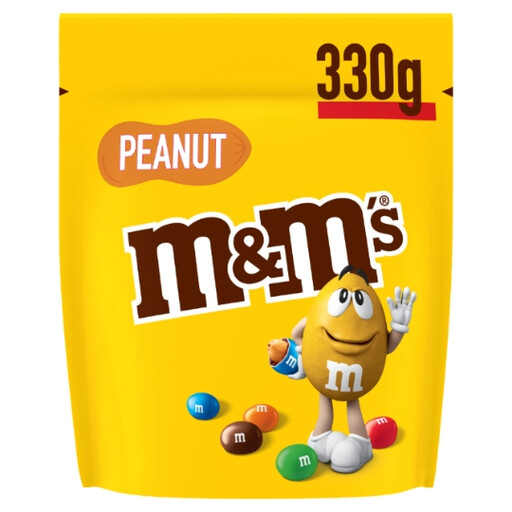 Image unavailable
This bag of milk chocolate and peanut sweets is ideal for sharing, provided the recipe is suitable for your guests. It contains peanuts and may contain almonds or hazelnuts. Check the packaging before handing them out to a group, and check the nutritional information too if you’re planning portions.
 Image unavailable
These honeycomb-centred balls can be served in a sharing bowl. The product lists milk, soya, wheat and barley. Keep the packaging to hand, and check the net weight if you need to plan how many to serve.
No. According to the European Commission and Santé publique France, front-of-pack display is voluntary. Nutrition information, on the other hand, is mandatory for the vast majority of prepacked foods. If Nutri-Score appears on the pack, compare it with similar products, but don’t overlook the ingredients or how much you’ll be serving.
In France, it refers to a category with a regulated composition, as explained by the Ministry of the Economy. It doesn’t guarantee that the chocolate has no filling or additional allergens, so check the ingredients for the exact product.
Follow the storage instructions on the packaging and keep the chocolates somewhere cool and dry until you’re ready to serve them. Don’t leave them in direct sunlight or in a hot car. If they’re being delivered, take the journey and delivery date into account.
Don’t hand them out indiscriminately if you know of any allergies or can’t provide guests with the relevant information. Carrefour’s listing for Mini Roc Côte d’Or names milk, hazelnuts and soya, and warns that the product may contain other tree nuts and wheat. Keep the packaging close by and check the ingredients for the batch you’re serving.