Parents preparing a set portion
If you pack a lunchbox before heading out, compare the weight of each piece or the portion stated on the pack rather than relying on the word ‘mini’ alone.


To prepare a back-to-school snack, first choose a product with a clearly stated weight per piece, then decide how many to pack in the lunchbox: ‘mini’ on its own doesn’t tell you what a portion is. A mini milk chocolate, a mini bar and a filled or wafer confection may all have different recipes, so check the ingredients, allergens and nutritional information for the specific product you choose.
If you pack a lunchbox before heading out, compare the weight of each piece or the portion stated on the pack rather than relying on the word ‘mini’ alone.
It’s worth checking the ingredients for each product: plain chocolate, a hazelnut bite and a wafer bar can all have different recipes and allergens.
Start with the weight of the piece you plan to serve, then check the recipe and how the pieces are packaged.
| What matters | What to check | Who is this for? |
|---|---|---|
| Counting portions | Check the weight per piece or the stated portion. If the pieces are all the same size, compare their number with the net weight. | When I’m packing a snack, I want to know what each piece weighs so I can decide how many to take; around 42% of consumers would prioritise having portions they can count. |
| Recipe and labelling | Read the ingredients and allergen information for the exact product. To compare sugar content, use the per-100 g values for similar products. | If the recipe needs to suit my household’s requirements, I check the ingredients before choosing a format; around 33% of consumers would make this a priority. |
| Transport and sharing | Check whether the pieces are individually wrapped and how many are in the pack. | When I’m packing several snacks, I look for pieces that are easy to prepare and carry; around 25% of consumers would prioritise this convenience. |
Individually wrapped pieces are easy to count, but the amount served depends on how many you choose. Formats listed by Carrefour and Lindt France include mini chocolates of around 10 g each and a 35 g mini bar.
Decide how many pieces to pack before preparing the lunchbox, and check their weight.
A mini milk chocolate, a hazelnut-filled bite and a wafer bar are different types of product. Check their ingredients and allergens separately.
Read the label for the exact product, including highlighted allergens and any ‘may contain’ warnings.
According to Santé publique France, producers apply Nutri-Score voluntarily. Its absence therefore doesn’t, on its own, tell you anything conclusive about a chocolate’s nutritional values.
If it appears on the pack, compare it with similar products and check the nutritional information and ingredients too.
The Milka mini bars listed by Carrefour come in a pack of 8, weighing 200 g in total.
Lindt France lists a 35 g EXCELLENCE Lait mini bar.
The Côte d’Or Mignonnettes Lait listed by Carrefour come in a box of 24, weighing 240 g in total.
The KITKAT Mini listing from Carrefour gives one mini as the reference portion.
The P’TIT DÉLI product listed by E.Leclerc contains 16 mini milk-filled bars, weighing 200 g in total.
Carrefour lists products including Milka mini bars and Côte d’Or Mignonnettes; in these cases, it is the retailer, not the manufacturer.
These two small-piece confectionery options offer different ways to prepare a snack to take with you: separate SMARTIES tubes or a bag of M&M’S PEANUT with a stated reference portion. M&M’S PEANUT are chocolate-coated peanuts, not pieces of plain milk chocolate.
 Image unavailable
The six separate tubes can be counted before packing a lunchbox; each tube weighs 34 g. They contain small milk chocolate sweets in a sugary shell. The product description lists milk and gluten: check the allergens and nutritional information on the pack for the product you choose.
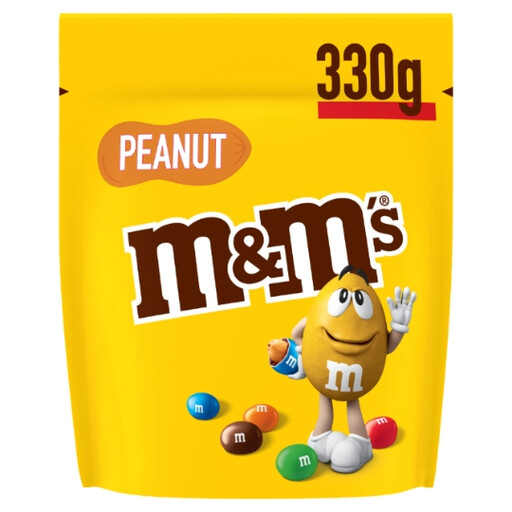 Image unavailable
To work out a portion from this bag, the listing gives a reference portion of 47.1 g and 7 portions per pack; it doesn’t say that these portions are individually wrapped. The product contains milk chocolate-coated peanuts, as well as milk and soya. Check the allergens and nutritional information per portion on the pack before using the stated portion as a guide.
No, not when they’re solid chocolates. Article 1613 ter of the French General Tax Code, published on Légifrance, applies to drinks and liquid preparations for drinks intended for human consumption, under the conditions set out in that text. The sugar content of a solid chocolate doesn’t put it in this category.
No. Santé publique France says that producers can apply Nutri-Score voluntarily. If it appears on the pack, read it alongside the ingredients and nutritional values, and compare similar products.
Check the weight of the piece you plan to pack, then check the ingredients, allergens, best-before date and nutritional information for the exact product. Depending on the recipe, the products mentioned here may contain milk, soya, wheat or nuts.
Use the sugar values per 100 g to compare similar recipes on a like-for-like basis, then check the weight of the piece you’ll actually serve. A per-portion value is only directly comparable with another product’s if the portions are the same size.