What should you look for?
First decide how you’ll serve the chocolates: as individually counted pieces, bites arranged on the table or in a shared bowl. Then check the ingredients of each format you’re considering.
| What to consider |
What to check |
Who is it for? |
| Pieces to hand out |
Number of pieces and total weight; weight per piece, if stated. |
If I’m preparing bowls for several guests, I want to know how many pieces to put in each one without opening the whole pack. Around 33% of consumers prioritise how easy the pieces are to portion out. |
| Festive presentation |
Shape of the bites and exact contents of any assortment. |
To serve with dessert, I’d rather put out ready-to-serve bites than break up a bar. Around 25% of consumers put this style of presentation ahead of other considerations. |
| Sugars and ingredients |
Sugars per 100 g, ingredients list and allergens shown on the specific pack. |
When I’m serving a group with different dietary requirements, I need to be able to check the ingredients before filling the bowls. Checking the nutritional information or allergens is the main priority for around 25% of consumers. |
| Recipe and texture |
Plain milk chocolate, a cluster, a filling or a biscuit centre, depending on the product. |
If I want to offer a variety of bites, I’ll distinguish solid chocolate from filled or crunchy confectionery. Around 17% of consumers prioritise a variety of recipes and textures. |
Brands and formats to know
These examples help you tell the formats apart; ingredients and packaging vary from one product to another.
Côte d’Or
Individually wrapped milk chocolates that are easy to count, or Mini Roc for nutty bites.
- Carrefour France lists 24 individually wrapped chocolates in a 240 g pack, and a box of 20 chocolates in its Mini Roc milk chocolate assortment with hazelnuts and almonds.
- Check the ingredients for the product you choose, particularly for Mini Roc with hazelnuts or almonds.
Milka
Milk chocolate mini bars for serving as small bars rather than filled bites.
- Carrefour France lists Mini Tablettes in a pack of 8 bars weighing 200 g.
- Counting the bars doesn’t mean you can skip comparing their weight or checking the nutritional information on the pack you buy.
Lindt
Filled Lindor bites and a small assortment if you’d like to serve different recipes.
- Lindt France describes a Mini Cadeau assortment with milk, dark and white chocolate recipes.
- This assortment isn’t made up exclusively of milk chocolate; check the ingredients for each recipe too.
Nestlé / KitKat
Milk chocolate balls or bars with a biscuit or crunchy element, rather than solid milk chocolate.
- Carrefour France lists KitKat milk chocolate balls as well as milk chocolate bars.
- One bar product listing includes wheat, milk, peanuts and hazelnuts, among other ingredients, so check the exact recipe.
Carrefour
Mini milk chocolate clusters and other small chocolate shapes to add variety to your presentation.
- Carrefour France lists a 6-pack of Mini Rochers Lait weighing 84 g and a net of mini milk chocolate cars.
- Compare the number of pieces, ingredients and allergens for the product you choose.
E.Leclerc / Marque Repère
Milk chocolate bars to consider if you’re planning to break off small pieces yourself.
- E.Leclerc lists Marque Repère milk chocolate bars.
- Breaking up a bar yourself isn’t the same as serving bites that are already separated.
Bites and chocolate balls to share on Joybuy
These products work well served as small pieces or in a shared bowl. If you want to give everyone a precise number of pieces, note the difference between a pack of separate tubes and bags of bites to share.
 Image unavailable
Smarties Hexatube, 6 × 34 g
The six separate tubes make it easy to divide the pack between several bowls or guests. These are milk chocolate sweets with a sugar coating, not solid pieces of chocolate. Check the ‘sugars’ line and allergens on the pack before serving.
View on Joybuy
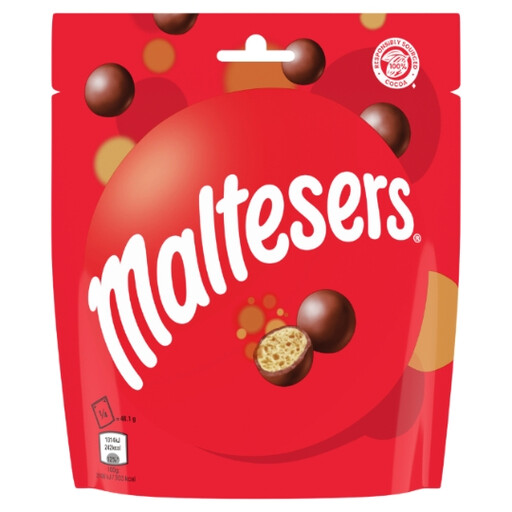 Image unavailable
Maltesers, 192.5 g bag
These bites have a honeycomb centre coated in milk chocolate, making them well suited to a shared bowl rather than individual portions. If you want to count out the pieces, check the number on the pack. Also check the allergens, including wheat, milk and soya, listed for this recipe.
View on Joybuy
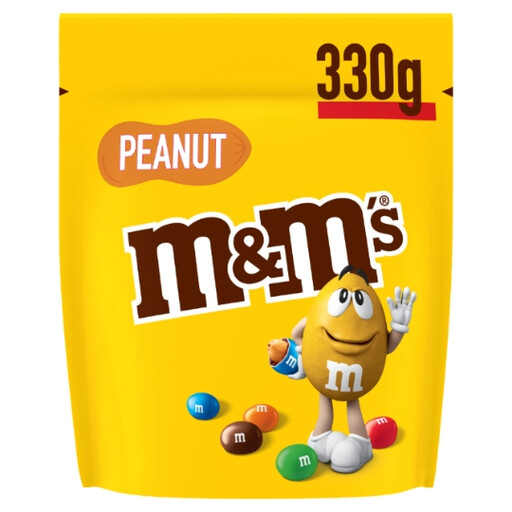 Image unavailable
M&M’S Peanut, 330 g
You can pour these small pieces into a bowl for everyone to share, but each one is a peanut coated in milk chocolate, not a piece of chocolate on its own. Keep the packaging handy so guests can check the allergens, including any possible traces of nuts.
View on Joybuy
Frequently asked questions
Does the sugar tax apply to mini milk chocolates?
No. The levy on sugary drinks described by the Ministry of the Economy applies to drinks, not chocolate bites or mini bars. The sugar content is still worth comparing on the packaging.
Does a box of mini chocolates have to display Nutri-Score?
No. According to Santé publique France, Nutri-Score is a voluntary, supplementary label. The DGCCRF distinguishes this label from the nutrition declaration required for pre-packed foods, so check the nutritional information even if the logo isn’t shown.
How can I compare the sugar content of two mini formats?
Compare the ‘sugars’ line in the nutritional information using the same basis, usually per 100 g. If the pack also gives a figure per serving, check the weight or number of pieces that serving refers to.
Are milk chocolate bites suitable for all guests?
Not necessarily: the filling or biscuit may contain other ingredients. Carrefour France describes Côte d’Or Mini Roc with hazelnuts and almonds, and lists wheat, milk, peanuts and hazelnuts, among other ingredients, for one milk KitKat bar. Check the allergens on the exact pack before serving.
What should I check if I’m buying the chocolates before Christmas?
Check the best-before date and storage instructions on the packaging for the product you choose. Keep the packaging until you serve the chocolates so you can refer to the ingredients and allergens.


