What should you look for before buying?
Start with how you plan to use them — sharing pieces, making something or choosing a particular texture as a gift — then compare the labels of suitable products.
| What to consider |
What to check |
Who is it for? |
| Sharing and portioning |
Number of pieces, net weight and format. |
If you’re giving several small pieces or sharing them between two, you’ll need to know what’s actually in the pack. Around 33% of consumers put this sharing need first. |
| Portion and sugars |
Sugars per 100 g and the weight of one piece, if stated. |
When serving size matters, an easy-to-count bite isn’t enough to compare recipes. This is said to be a priority for around 25% of consumers. |
| Allergens |
Ingredients, listed allergens and ‘may contain’ warnings on the exact product. |
If the recipient needs to avoid certain ingredients, the contents of the bite matter more than how it’s presented. Around 25% of consumers put this compatibility first. |
| Texture and presentation |
Whether it contains a filling, wafer or nuts; how the product is presented. |
If the tasting experience and appearance of the gift matter most, a filled recipe may be a better fit. This is said to be the main consideration for around 17% of consumers. |
Milk chocolate and sweets to share on Joybuy
This selection includes bars to share and individual sweets coated in milk chocolate. If you’re looking specifically for mini bites to give as a gift, check that the shape, recipe and quantity suit your plans.
 Image unavailable
Toblerone Milk, 3 × 50 g
Worth considering if you’d rather share three bars than serve bite-sized pieces. Each bar weighs 50 g, so check that this format suits the quantity and presentation you have in mind.
If the recipient has dietary restrictions, check the ingredients and any ‘may contain’ warnings on the exact packaging.
View on Joybuy
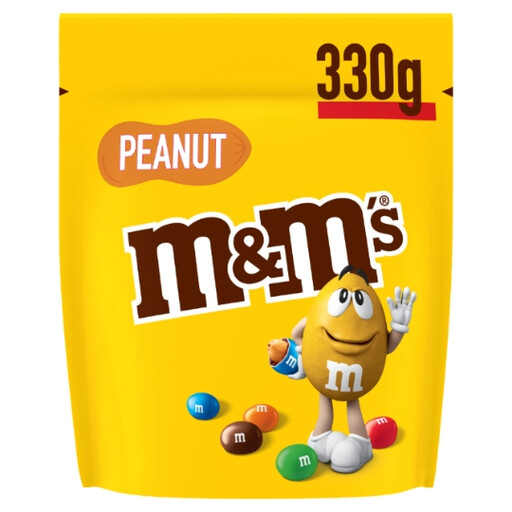 Image unavailable
M&M'S PEANUT, peanuts coated in milk chocolate, 330 g
This pack is a good choice if you want to share chocolate-coated peanuts rather than bites made mainly of milk chocolate. You can’t work out the weight of one piece from the pack weight alone.
Check the allergens and any ‘may contain’ warnings on the packaging. To compare serving sizes, follow the portion guidance on the product you receive rather than assuming a particular number of pieces.
View on Joybuy
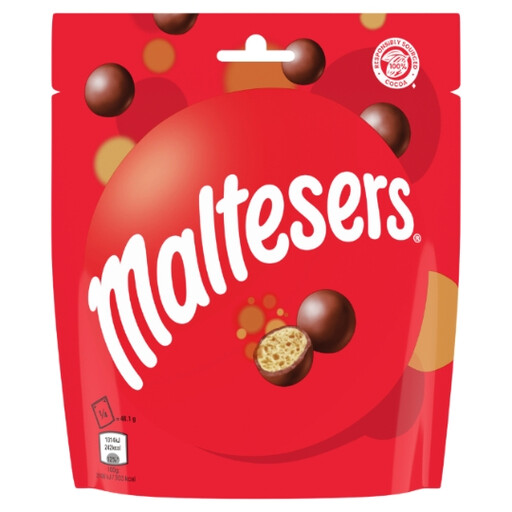 Image unavailable
MALTESERS, milk chocolate with a honeycomb centre, 192.5 g bag
Consider these if you want to share honeycomb-centred pieces coated in milk chocolate and this texture suits the gift you have in mind. Check the number of pieces and their individual weight on the product.
Confirm the net quantity on the packaging, as the details given for this product vary slightly. Also read the ingredients and allergen information, particularly if the recipient needs to avoid certain cereals.
View on Joybuy
Frequently asked questions
Is the Nutri-Score compulsory on mini milk chocolate sold in France?
No. Santé publique France explains that producers display the Nutri-Score voluntarily. Nutritional declarations, on the other hand, are among the information required under the European regulation on the provision of food information to consumers. Check them alongside the ingredients list, whether or not the logo is shown.
Does the ‘soda tax’ apply to solid milk chocolate?
No. The French Ministry of the Economy describes this levy as applying to sugary drinks. To compare solid chocolates, check the sugar content per 100 g instead.
What should I check when giving bites to someone with an allergy?
Read the ingredients, listed allergens and any ‘may contain’ warnings on the packaging for the exact product. The recipes described by Lindt France and Carrefour show that milk chocolate bites may also contain hazelnuts, soya or cereals, depending on the product. Don’t assume one piece has the same ingredients as another recipe.
How should I store mini chocolates before giving them as a gift?
Follow the instructions on the packaging and check the best-before date on the product you receive. For one specific product, Joybuy’s listing for a bag of Lindt mini eggs recommends storing them in a cool, dry place, both before and after opening.


