Households looking to serve a set amount
Individual pieces make it easier to decide how many to put on the table for weekend breakfast. However, their small size doesn’t tell you what they’re made of.


To decide in advance how many pieces to serve, choose mini bars, mini squares or individually wrapped products. If you’d prefer bite-sized chocolates to share, put the amount you want in a bowl rather than leaving the bag on the table. Either way, a mini format doesn’t tell you anything about the nutritional values on its own: compare the sugars and fat per 100 g, then check the ingredients and allergens for the exact product you choose.
Individual pieces make it easier to decide how many to put on the table for weekend breakfast. However, their small size doesn’t tell you what they’re made of.
The nutrition information per 100 g lets you compare the sugars, energy and fat in similar products. According to Santé publique France, the Nutri-Score can help you make sense of this information when it’s displayed.
A praline, filled or crunchy bite may have a different recipe from plain milk chocolate. If you need to avoid an ingredient, check the ingredients list and allergen information for the exact product you’re considering.
Start by thinking about how you’ll serve the chocolate, then compare the labels of formats that suit your needs. For weekend breakfast, each group below is defined by its main concern.
| What to consider | What to check | Who is it for? |
|---|---|---|
| Serving size | Number of pieces or packets; weight per piece, if stated. | If I want to decide how much to serve before the meal, separate pieces are easier to count. Around 36% of consumers put portion control first. |
| Nutritional values | Sugars and fat per 100 g; Nutri-Score, if displayed on comparable products. | A small pack isn’t enough for me to judge the recipe: I want to compare the labels before choosing. This is the main priority for around 29% of consumers. |
| Allergens and ingredients | Highlighted allergenic ingredients and ‘may contain’ warnings on the exact pack. | If someone in my household needs to avoid an ingredient, the filling or other inclusions matter just as much as the chocolate. Around 21% of consumers put these checks first. |
| Sharing at the table | Bag or box format; type of bite and any inclusions. | For a shared breakfast, I prefer to choose bite-sized chocolates to put in a bowl. Sharing and the type of bite come first for around 14% of consumers. |
The format makes it easier to count how many pieces you serve, but it doesn’t change the chocolate’s ingredients. Mini bars and bite-sized chocolates can have different nutritional values.
Compare the sugars, energy and saturated fat per 100 g, then choose how much to put on the table.
A praline or crunchy recipe may also contain tree nuts, peanuts, soya or wheat. According to the DGCCRF, allergenic ingredients must be highlighted on the labels of prepacked foods.
If you need to avoid an ingredient, check the ingredients list and any ‘may contain’ warnings on the pack of the product you’re buying.
According to Santé publique France, displaying it is voluntary. A score doesn’t replace the ingredients list or nutritional values, and a score shown on an old product listing may differ from the one on the current packaging.
If it’s shown, use it to compare similar products and check the pack when choosing.
The Milka mini milk chocolate bars listed by Carrefour come in a pack of eight.
Carrefour lists Côte d’Or milk chocolate and praline bites in a box containing eight sachets.
Lindt France offers several milk chocolate formats, including bags of LINDOR Carrés Lait.
Carrefour Extra bites listed by Carrefour combine milk chocolate, peanuts and cereal in a 105 g bag.
E.Leclerc lists a box of 16 mini milk-filled chocolate bars.
This selection includes bite-sized chocolates to share and milk chocolate sweets in individual tubes. With bags, you’ll need to prepare the amount you want to serve; tubes give you a ready-packed portion.
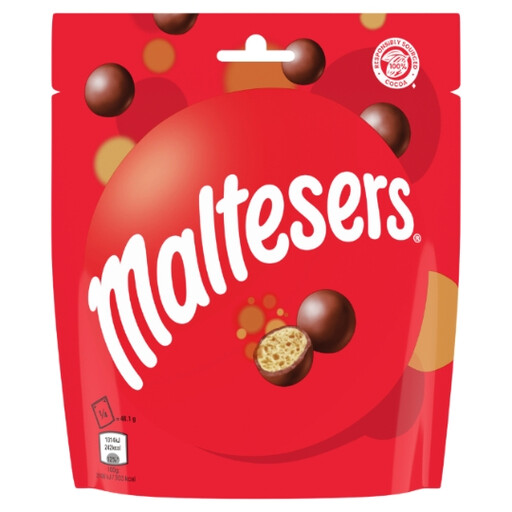 Image unavailable
To serve a few bites at breakfast, take the amount you want from the bag before putting it on the table. If you need to count the pieces precisely, check the number and weight per piece on the packaging. Also check the sugars per 100 g and the information about milk, soya and wheat.
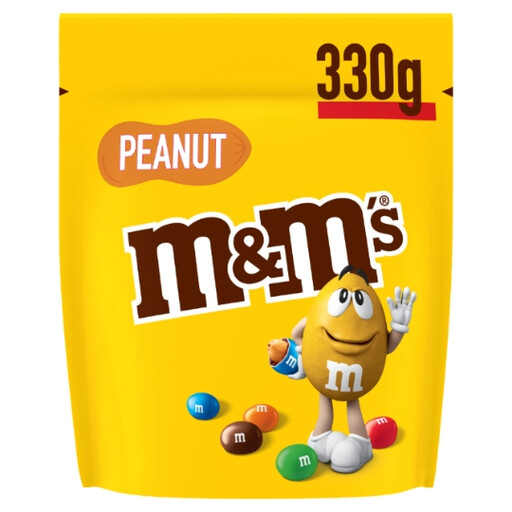 Image unavailable
You can divide this bag between several bowls, but the pieces aren’t individually wrapped. The recipe contains peanuts; also check the pack for information about other tree nuts. To compare a serving size, refer to the values on the packaging rather than relying on a per-portion figure on the product listing.
 Image unavailable
The six separate tubes are handy if you want to hand out individual packs at breakfast, without taking pieces from a large bag. Each tube contains 34 g, but that doesn’t determine how many sweets to serve. Check the packaging for nutritional values per 100 g and allergen information, especially if you need to avoid gluten.
No. According to Santé publique France, businesses display it voluntarily. If it appears on the pack, compare it across similar products; otherwise, refer to the nutrition information and ingredients list. The DGCCRF states that nutrition information is generally compulsory on prepacked foods and is usually given per 100 g, among other formats.
No. The contribution set out in Article 1613 ter of the French General Tax Code, published on Légifrance, applies to drinks and liquid preparations for drinks, not solid chocolate. This tax distinction doesn’t tell you how much sugar chocolate contains.
Read the highlighted ingredients and any ‘may contain’ warnings on the exact pack you’re buying. Depending on the recipe, bites may contain milk, soya, wheat, peanuts or tree nuts; the words ‘milk chocolate’ alone aren’t enough to tell you.
Follow the best-before date and storage instructions on the pack. When it’s time to serve, prepare the amount you want and reseal the rest according to the packaging instructions.