People replacing an appliance
You’re looking for a capacity that suits your everyday needs without adding unnecessary appliances. ADEME points out that a fridge runs continuously, and that its size and features can affect its energy consumption.


Start by choosing a format and capacity that suit your shopping habits, then compare the annual energy consumption in kWh of appliances with a similar format and capacity. A mini fridge is ideal if you only need limited storage, while a fridge freezer suits you if you regularly keep both fresh and frozen food. Consider a separate freezer if you need to store a substantial amount of food long term, bearing in mind that it will also be running continuously.
You’re looking for a capacity that suits your everyday needs without adding unnecessary appliances. ADEME points out that a fridge runs continuously, and that its size and features can affect its energy consumption.
If you only store a small amount of food at a time, a mini fridge may be enough. However, check how much frozen food you need to store before choosing a model with a small freezer compartment or no freezer compartment at all.
If you do a weekly shop or batch-cook meals for the freezer, how the capacity is divided between the two compartments matters just as much as the total capacity.
First work out how much space you need for fresh and frozen food. The energy consumption figure is then more useful when comparing appliances that meet the same storage needs.
Consider it : if you shop often and don’t need to store much frozen food.
Bear in mind : a small freezer compartment is no substitute for a freezer designed for regular frozen-food storage, as UFC-Que Choisir points out.
Consider it : if you store both fresh and frozen food every week.
Bear in mind : two fridge freezers with the same total capacity may divide the space differently between the fridge and freezer compartments.
Consider it : alongside a fridge if you need to store a substantial amount of frozen food long term.
Bear in mind : this second appliance takes up space and also uses electricity continuously.
| Factor | What to check | Your needs |
|---|---|---|
| Energy consumption | Compare the kWh per year shown on the energy label for appliances of the same type and with similar capacities. Check the A to G rating too, but don’t rely on it alone : UFC-Que Choisir points out that the label shows annual energy consumption. | I want to know the stated energy consumption of formats that can genuinely hold my shopping, rather than choosing based on the energy rating alone. |
| Usable capacity | Check the fridge and freezer capacities in litres separately, along with access to the drawers and shelves. UFC-Que Choisir suggests an average of 100 to 150 litres for one person, plus 50 litres for each additional person, adjusted to suit your habits. | My weekly shop should fit without me having to choose a large capacity for something I only need occasionally. |
| Frozen-food storage | Check whether there’s a proper freezer compartment and how much space it offers. If you need to store a lot of food long term, compare the capacity of a fridge freezer with that of a separate freezer, and take the energy consumption of both appliances into account. | If I regularly freeze meals or buy in bulk, a small freezer compartment may not meet my needs. |
| Everyday use | Check the storage layout, the stated noise level and any test results available for adding food and opening the door. UFC-Que Choisir’s testing protocol takes these situations into account, among other things. | Noise matters to me in an open-plan kitchen ; after a big shop, I also want to be able to put food away and find it easily. |
| Care and installation | Check which compartments have No Frost, the dimensions, how the doors open and the clearances specified in the manual. A convenient feature doesn’t replace comparing capacity and kWh per year. | I’d prefer to minimise manual defrosting, but the appliance must also fit through to its intended spot and have enough ventilation once it’s there. |
The A to G rating doesn’t tell you whether two appliances offer the same capacity or do the same job. The stated annual energy consumption makes it easier to compare models that could meet your needs.
Before choosing between models, compare their kWh per year with the usable capacity of each compartment and the appliance format.
ADEME says that an appliance’s size and extra features can increase the energy consumption of a fridge that runs continuously.
Assess how much fresh and frozen food you usually store separately, then choose the features you expect to use.
Placing an appliance too close to a heat source or in a poorly ventilated spot can increase the energy needed to keep it cold.
Measure the route into your home and the space where the appliance will go, then follow the model’s instructions. UFC-Que Choisir suggests leaving at least 10 cm above and behind the appliance, unless the manufacturer specifies otherwise.
For eligible goods bought by an individual from a business in France, the Ministry of the Economy distinguishes between the mandatory legal guarantee of conformity and an optional commercial warranty.
Before taking out a commercial warranty, compare its cover, exclusions and duration with the legal rights that already apply.
These range examples can help you find appliances to consider ; always check the capacity, energy consumption and dimensions of the specific model.
Bosch offers fridges and fridge freezers across several energy classes, including models with VitaFresh compartments.
The Beko range includes fridge freezers with different features, depending on the model.
Liebherr offers fridge freezers with BioFresh and NoFrost, among other features, depending on the model.
This selection includes fridge freezers in a range of capacities, as well as a small one-door fridge. To compare them, check the energy label and make sure there’s enough room for the fresh and frozen food you actually need to store.
 Image unavailable
Worth considering if you regularly store both fresh and frozen food in a fridge freezer. The model name lists a capacity of 344 l and an E rating : check the energy label for its kWh per year, and confirm the capacity of each compartment and the clearances needed for installation.
 Image unavailable
Worth considering if you’re looking for a fridge freezer for fresh and frozen food. The model name lists a capacity of 333 l and a C rating : check the energy label for its kWh per year, then confirm the usable capacity of each compartment and the space needed to open the doors.
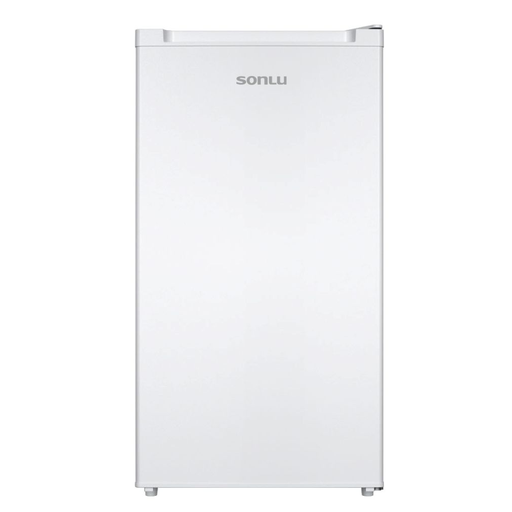 Image unavailable
Worth considering if you only need to store a small amount of fresh food and shop frequently. The model name lists a capacity of 82 l and an E rating ; if you store frozen food, check carefully whether it has a suitable freezer compartment and what its specifications are before choosing this format.
 Image unavailable
Worth considering if you’d like a freezer below the fridge. The model name lists a capacity of 282 l and an E rating ; compare the usable capacity of both compartments, the kWh per year on the energy label and the clearances required in the manual.
 Image unavailable
Worth considering if you need plenty of space for fresh and frozen food. The model name lists a capacity of 444 l, an E rating and a frost-free design ; check how the capacity is divided between the compartments, the annual energy consumption and the dimensions before choosing this format.
Compare the kWh per year shown on the energy label for appliances of the same type and with a similar usable capacity. The A to G rating offers another point of reference, but doesn’t replace this comparison ; you can also look up energy information for listed models in the European EPREL database.
A fridge freezer is a good choice if you regularly need freezer space as well as a fridge. If you don’t buy much frozen food and shop often, a one-door appliance may suit your needs ; if so, check whether it has a freezer compartment that’s suitable for what you need to store.
Think about how often you shop and how much fresh and frozen food you usually keep. UFC-Que Choisir suggests an average of 100 to 150 litres for one person, then 50 litres for each additional person : adjust this to suit the amount you actually store, and check the capacity of each compartment.
No. No Frost alone doesn’t mean that one model uses less energy than another. Check which compartments have this feature, then compare the kWh per year on the energy labels of appliances with a similar format and capacity. For a compartment that needs manual defrosting, follow the manufacturer’s care instructions.
Measure the delivery route, the space where the appliance will go and the room needed to open the doors, then follow the ventilation clearances in the manual. UFC-Que Choisir recommends keeping the appliance away from heat sources and suggests leaving at least 10 cm above and behind it, unless the manufacturer advises otherwise.