
Livraison le jour même ou le lendemain

Qualité garantie

Débloquez vos offres de bienvenue: Livraison GRATUITE | Jusqu'à -80 % | 30 jours d'essai gratuits à JoyPlus
Téléchargez l'application
Buying a mini fridge? It seems simple enough. Yet, between marketing jargon and opaque spec sheets, the risk of ending up with a noisy, energy-guzzling, or simply ineffective appliance is very real. Whether it's for a dorm room, an office, or a converted van, the wrong choice can quickly turn a bargain into a case of buyer's remorse.
To make sure you get it right, here are the three pitfalls to understand so you can invest in a mini fridge that truly delivers on its promises.
To avoid these traps, simply focus on a few key technical points. Once you understand them, they will guide you to the perfect appliance for your needs, whether you're looking for a secondary fridge for the garage or a solution for your weekend van trips.
This is THE game-changing criterion. It determines the cooling power and, therefore, how you can use your appliance.
The volume and power connection type must perfectly match your habits.
Rather than an endless list, we've selected models that meet specific needs. Find the one that's made for you.

The Ideal User: Perfect for road trips by car, van, or boat outings. Its dual power supply makes it ultra-versatile, and its compressor ensures powerful, stable cooling, even during a heatwave.
It shatters the "fake cold" trap with its compressor, capable of maintaining a stable temperature down to -18°C (-0.4°F), regardless of the outside temperature.
Its dual power supply (12V/24V and 100-240V) provides total flexibility, from the car to a standard wall outlet.
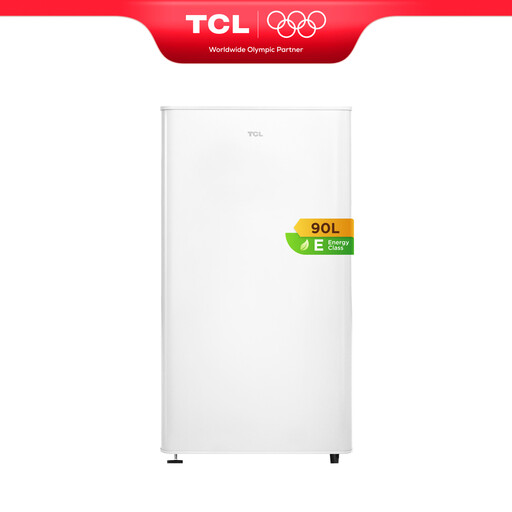
The Ideal User: With its 90-litre capacity, it offers a comfortable amount of space for one person in a studio or for office lunch breaks. It's compact enough to fit anywhere, and its Chiller compartment is a real bonus for fresh produce.
It avoids the noise trap with a sound level of 40 dB, the tolerance threshold for an appliance in a living space. This is a genuinely quiet fridge, not a jet engine.
Its Chiller compartment (-5°C to 5°C / 23°F to 41°F) is much more than a simple freezer box. It allows you to store meat or fish for a few days, something impossible with a standard ice tray compartment.

The Ideal User: For those who want a real fridge-freezer without sacrificing space. With 206 litres of capacity and a separate freezer, it has all the features of a full-size model and can replace a standard unit in a small kitchen or a holiday home.
It beats the "fake freezer" trap. Forget token freezer compartments: this is a true independent freezer capable of deep-freezing and storing food long-term.
It offers a generous 206L capacity within a slim 55 cm width. A perfect optimisation of vertical space without compromising on performance.
If you dread the chore of defrosting, discover our selection of compact models featuring "No Frost" (frost-free) technology, which combine performance and convenience.
It all depends on the technology. A compressor model, built like a standard refrigerator, can last between 8 and 12 years. A thermoelectric model, which uses a Peltier module and a fan, will have a more limited lifespan, typically 3 to 5 years with heavy use.
Its consumption depends on its technology, volume, and, most importantly, its energy class. The key is to check the energy label. For example, a 90-litre compact fridge with an E rating (common in this category) consumes between 100 and 150 kWh per year. Be wary of 12V coolers: if left running continuously in a parked vehicle, they can drain the battery. It's best to use them only when the engine is running or choose a model with built-in battery protection.
Yes, as long as you prioritise a quiet model. To avoid disturbing your sleep, opt for a compressor model with a noise level that does not exceed 40?dB. While thermoelectric models don't have the "click" of a compressor starting up, their fan runs continuously. This constant whirring can be just as annoying for sensitive ears.