Who are these formats for?
The right pack depends as much on your journey and who you’ll be sharing the chocolate with as it does on the size of the bites.
Travellers who want to take a small amount
For a snack or a little something after a meal at the airport, a compact pack that’s easy to share means you don’t have to open a large selection box. The packaging should also suit your planned journey, but don’t assume the same rules apply to every part of your itinerary.
People comparing portions
The number of bites can help you decide how much to serve. To compare two recipes, look separately at the sugars and energy per 100 g, then check the figures per portion if they’re shown on the pack.
Groups with allergy concerns
Before sharing a selection, check the ingredients and allergen information for each product you’ve bought. The recipes mentioned here may contain milk, nuts or soya; some also carry a warning about wheat.
What should you check before buying?
When choosing chocolates to take to the airport, start with anything that could rule out a product — particularly an allergen — before comparing formats and recipes.
| What to consider |
What to check |
Who it matters to |
| Transport |
Choose packaging that protects the chocolate and check the rules set by your airline, any connecting airports and your destination. |
If the chocolate has to stay in a bag until mealtime, I’d choose a compact pack that I can protect from the heat. Around 31% of consumers would put ease of transport first. |
| Allergens |
Read the ingredients and allergen information on the exact pack, especially before sharing a selection. |
When several people are helping themselves from the same box, I need to know which recipes are suitable for each person before opening it. Around 31% of consumers would make checking allergens their top priority. |
| Sugars and portions |
Compare the sugars and energy per 100 g, then check the weight or number of pieces you plan to serve. |
For a little something after a meal, I want to choose how many bites to offer without confusing their size with the chocolate’s nutritional content. Around 23% of consumers would put sugars and portions first. |
| Festive sharing |
Check the number of bites, the recipes included and the condition of the pack before you travel. |
If I want to give a small group a few Christmas chocolates, a box that’s easy to share matters more to me than a large selection. Around 15% of consumers would put festive sharing first. |
Figures per 100 g let you compare recipes on the same basis, but they don’t automatically reflect how much each person will eat. Your Europe, the European Union’s information service, explains that the nutrition declaration on relevant prepacked foods includes information such as energy and nutrients. Where it appears, Nutri-Score provides additional information; it doesn’t replace the nutrition declaration or ingredients list.
Brands and retailers to consider
These examples show what formats and information you can compare. A brand or retailer can’t guarantee that a particular product will suit your group or be available in your local shop.
Lindt
Lindt France describes its small 112 g LINDOR selection box as containing nine bites in milk, dark and white chocolate.
- The set number of pieces makes it easier to plan how to share them with a small group.
- For this selection box, Lindt France lists milk and soya in the ingredients, possible traces of nuts and 42 g of sugars per 100 g.
Ferrero
The Ferrero Group describes Ferrero Rocher as a praline made with, among other ingredients, a whole hazelnut, chocolate and chopped hazelnuts.
- The bite-sized shape makes it easy to offer individual pieces for a festive occasion.
- Hazelnut is part of the recipe described. Check the label on the format you buy before sharing with anyone who has an allergy.
Carrefour
A Carrefour France product listing featured 197 g Mini Bouchées Côte d’Or, with information on ingredients, allergens and nutritional values.
- This information lets you check the details of a specific recipe before buying.
- The product listing checked was marked as unavailable. Check the product and its availability with the retailer concerned.
Auchan
Auchan offers a 187 g selection of Côte d’Or mini bites for giving or sharing.
- Its product listing details the ingredients, storage conditions and nutritional values.
- For this selection, Auchan lists 50 g of sugars per 100 g, and ingredients including milk, hazelnuts, almonds and soya, as well as possible traces of wheat.
Chocolate formats to consider on Joybuy
This selection includes a chocolate Advent calendar and smaller formats to consider for a snack or sharing. Smarties, Kinder Bueno Mini and the Lindt mini bar aren’t presented here as Christmas selections: choose them for their format if the recipe and packaging suit your needs.
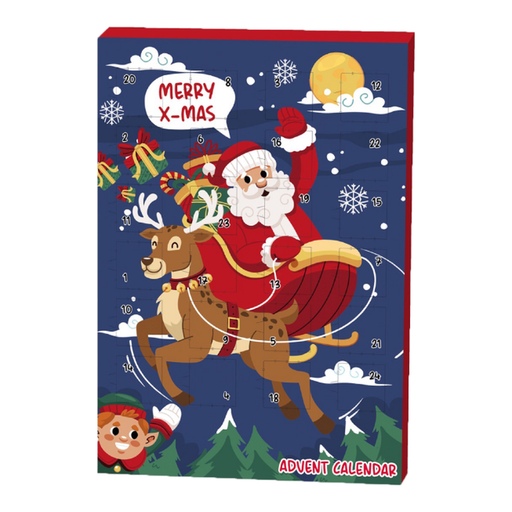 Image unavailable
Chocolate Advent calendar, 50 g
Its Advent theme makes it a thoughtful little Christmas treat to take with you. Before sharing it on your journey, check how the chocolates are packed, whether you can protect the calendar in your bag and which allergens are listed on the packaging.
View on Joybuy
 Image unavailable
SMARTIES Hexatube, 6 × 34 g
The six separate tubes make it easy to share the sweets between several people or take just one with you. This isn’t a Christmas selection, so check the allergens, nutrition information and storage instructions on the pack you buy.
View on Joybuy
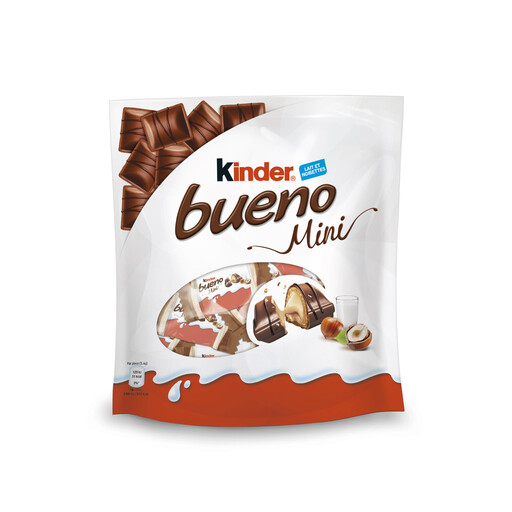 Image unavailable
Kinder Bueno Mini, 108 g
This mini format may suit you if you’d rather serve bite-sized pieces than a whole bar, although the product isn’t described as having a Christmas theme. The recipe contains hazelnuts, so don’t choose it for anyone with a hazelnut allergy. If you plan to share the pieces before setting off, check the number of units and how they’re packed on the exact product you buy.
View on Joybuy
 Image unavailable
LINDT Excellence 70%, 35 g mini bar
This mini dark chocolate bar gives you a 35 g pack to take with you, but it isn’t a Christmas selection or a pack of individual bites. If several people will be sharing it, check whether the bar can be broken into portions and read the allergen information on the pack you buy.
View on Joybuy
Frequently asked questions
Are Christmas chocolates subject to the “sugary drinks tax” in France?
No. The levy described by the Bulletin officiel des finances publiques applies to non-alcoholic drinks containing added sugars, not solid chocolate. To compare chocolates, check the sugar content in the nutrition information.
Does a box of chocolates have to display Nutri-Score?
No. Don’t confuse Nutri-Score with the nutrition declaration required for relevant prepacked foods. As Your Europe explains in its guidance on EU food labelling rules, this declaration includes information such as energy and nutrients. If a Nutri-Score is displayed, consider it alongside the nutrition values and ingredients; don’t rely on it alone to decide whether the product suits your needs.
How can mini bites help you choose a portion?
They let you decide how many pieces to serve, but their small size doesn’t change the recipe’s composition. Compare the sugars and energy per 100 g between products. If the pack also gives values per portion or piece, use these to assess how much you plan to offer.
Which allergens should you check before sharing Christmas chocolates?
Read the ingredients and allergen information for the exact product, particularly for milk, nuts and soya. Recipes vary: for its LINDOR selection box, Lindt France lists milk and soya and says it may contain nuts. For its 187 g Côte d’Or selection, Auchan lists ingredients including milk, hazelnuts, almonds and soya, and says it may contain wheat.


