Runners planning a small treat
You want to decide how many bites to take for a break, without confusing them with your race fuelling.


Choose mini chocolates when you want a pre-decided amount of something sweet, rather than as the basis of your marathon fuelling plan. The IRBMS stresses that your intake needs to sustain you through several hours of running. If you’re thinking of having a bite during the race, try it in training first and keep it separate from your fuelling strategy.
You want to decide how many bites to take for a break, without confusing them with your race fuelling.
You need to check the exact recipe before buying, especially if you avoid milk, soya, hazelnuts or certain cereals.
You’re choosing between melt-in-the-mouth bites, praline clusters and mini-piece bags, and want to know how much each pack contains.
Before choosing a box or bag, decide whether the chocolates are for a planned break or for a snack during exercise that you’ve already tried out.
| What matters | What to check | Who it matters to |
|---|---|---|
| Role during the race | Check the ingredients and only eat during exercise as part of a strategy you’ve already tried in training. | If I’m running for several hours, I want to rely on food and drink I’ve already tried, rather than a bite chosen because it’s small; around 45% of consumers would prioritise preparing for exercise in this way. |
| Amount to take | Compare the number of pieces and the net weight, then prepare the amount you want before setting off. | If I’m buying a pack to share, I’d rather decide in advance how many pieces to keep for my break; around 33% of consumers would prioritise portion control. |
| Recipe and allergens | Read the ingredients, allergen information and nutritional details for the variant you’re buying. | If I need to avoid certain ingredients, I should check the exact recipe rather than rely on the brand name; around 22% of consumers would prioritise whether the product suits their dietary needs. |
A bite that’s easy to count won’t, on its own, meet the needs of a race lasting several hours. The IRBMS highlights the importance of preparing the nutrition you’ll need during a marathon.
Decide separately how much chocolate you want, and don’t replace your fuelling and hydration strategy with a box of bite-sized chocolates.
According to Santé publique France, displaying the Nutri-Score is voluntary. On its own, this logo doesn’t tell you which ingredients to avoid or how much you plan to eat.
If it appears on the packaging, use it as an extra guide and check the ingredients, allergens and nutritional values too.
Carrefour’s product listing for Lindor milk chocolate mentions milk, soya and barley, among other ingredients; its listing for Carrefour Extra praline clusters mentions hazelnuts and possible traces of other ingredients. These details don’t apply to every variant from these brands.
If you have an allergy or avoid certain ingredients, check the listing for the product you’ve chosen, then check the packaging when it arrives.
The Lindor range includes melt-in-the-mouth bites to consider if you’re looking for this texture and want to prepare a set amount.
These bite-sized pralines are a good match if you prefer hazelnuts and a crunchy texture to melt-in-the-mouth chocolate.
This supermarket own brand offers, among other things, milk chocolate and praline clusters in multi-piece packs.
Auchan’s chocolate confectionery range features own-brand praline clusters and bite-sized chocolates from other brands, which you can compare by format.
These mini chocolate formats could be used to prepare a set amount for a planned break. Their inclusion here doesn’t mean they’re suitable for fuelling during a marathon.
 Image unavailable
Worth considering if you want to set aside a specific number of pieces for a break, rather than relying on the pack during the race. The pack contains 9 pieces and has a net weight of 104,4 g. Check the ingredients and nutritional values for this variant before buying.
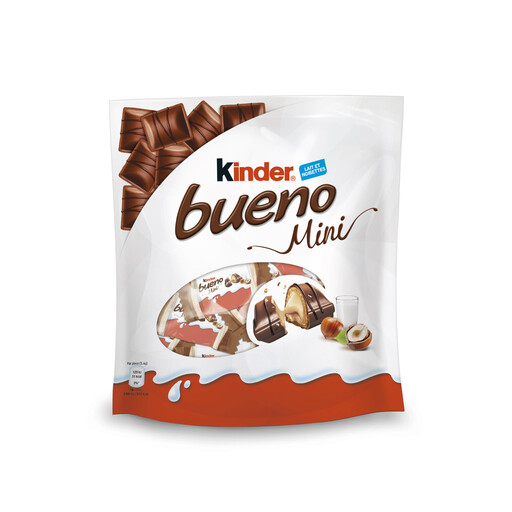 Image unavailable
Consider this if you’re looking for a mini format to prepare a snack for a break from exercise. The pack weighs 108 g. Check the number of pieces and how they’re packaged to work out how much to take, and check the label if you need to avoid certain ingredients.
No. The tax described by Entreprendre.Service-Public.fr applies to drinks, not solid chocolates. To compare these sweet treats, check their ingredients and nutritional values instead, particularly the sugars per 100 g.
No. Santé publique France explains that producers display the Nutri-Score voluntarily. Nutritional declarations, on the other hand, are covered by the European rules that apply to food products, with some exceptions. If the logo is present, use it alongside the ingredients, allergen information and nutritional details.
It’s better to try anything you’re considering eating during the race in training, rather than test a new bite on marathon day. The IRBMS stresses that you need to prepare your nutrition for several hours of exercise; a box of mini chocolates is no substitute for that preparation.