People who portion out snacks before the film
If you don’t want a large bar or an open bag within easy reach, a mini bar or a set number of pieces gives you a clear amount to work with. It doesn’t tell you anything about the chocolate’s ingredients.


To plan how much chocolate you’ll need before the film, choose an individually wrapped mini bar, count out the pieces you’ll serve or break up a regular bar before the screening. None of these formats tells you what the recipe is like on its own: compare the sugars and other nutritional values for the product you choose, and check its allergens if you’re sharing.
If you don’t want a large bar or an open bag within easy reach, a mini bar or a set number of pieces gives you a clear amount to work with. It doesn’t tell you anything about the chocolate’s ingredients.
If sugars and nutritional values influence your choice, check the information for each product rather than relying on the word ‘mini’ or the cocoa percentage alone.
Before handing out the pieces, check the ingredients and any ‘may contain’ statements for each product. The products reviewed have different warnings, including for milk, soya, wheat and nuts.
For a film-night snack, first decide how much you’ll serve, then compare the labels of the recipes you’re considering.
| What to consider | What to check | Who is it for? |
|---|---|---|
| Portions before the film | Check the weight per piece and the number of pieces, or break a regular bar into squares in advance. | If I don’t want to leave the packet open during the film, I decide how much to have before I settle down. Around 37% of consumers put a set portion first. |
| Sugars and nutritional values | Compare sugars, energy and fat per 100 g, then take your planned portion into account. | When choosing between milk and dark chocolate, I want to compare the recipes rather than decide based only on the size of the pieces. Nutritional comparisons are the priority for around 36% of consumers. |
| Sharing and allergens | Read the ingredients and any ‘may contain’ statements for the product you’re serving; count out the pieces if you’re sharing them. | When several people are sharing a snack, I need to identify the allergens in each recipe before serving. Around 27% of consumers put the need to cater for everyone first. |
A mini bar sets the weight of one piece, not its nutritional make-up. Lindt France lists 30 g of sugars per 100 g for its 35 g EXCELLENCE dark 70% mini bar.
Decide how many pieces to serve, then check the sugars and other nutritional values for the recipe you’ve chosen.
According to Santé publique France, displaying the Nutri-Score is voluntary. The EU Food Information to Consumers (FIC) Regulation separately sets out the nutritional information that must be provided.
Use the logo as extra information when it appears, and check the nutrition declaration and ingredients too.
Products sold in small portions can have different ingredients or ‘may contain’ statements. So if you’re serving a selection of chocolates, check the details of the product you’re offering.
Keep the packaging where guests can reach it so they can check the ingredients and allergens for themselves.
Lindt France offers 35 g EXCELLENCE mini bars, including milk and dark 70% varieties, as well as regular-sized bars.
Carrefour lists a Milka Mini Bars product in a bag of eight bars, weighing 200 g in total.
The Mini Roc selection listed by Carrefour contains twenty chocolates, so you can count out how many to serve.
The Crunch product listed by Carrefour is a 144 g box of mini milk chocolate figures, not mini bars.
Carrefour dark chocolate bars can be broken into squares before the film.
E.Leclerc offers Marque Repère bars and squares, including a 200 g pack of 72% dark chocolate squares.
This selection brings together a mini chocolate bar and biscuits or chocolate confectionery in small portions, making it easy to prepare a snack before the film. Chocolate-coated biscuits and filled mini bars are not chocolate bars.
 Image unavailable
The 35 g mini bar is a good choice if you want to set aside one wrapped portion before the screening. To compare this recipe with another, check its nutritional values and allergen information.
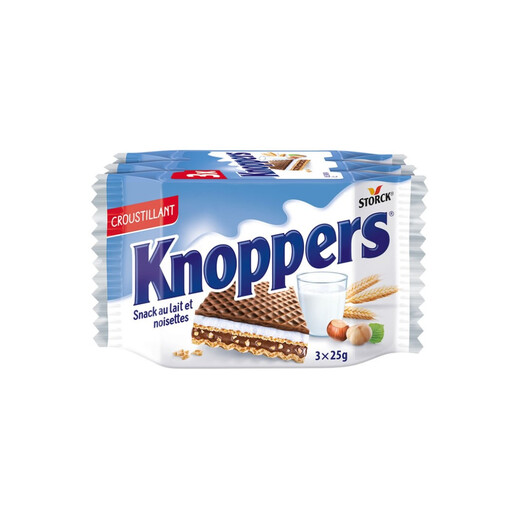 Image unavailable
The three 25 g chocolate wafers make it easy to plan one per person. They’re not mini chocolate bars, so check the ingredients if any guests need to avoid particular allergens.
 Image unavailable
These biscuit sticks coated in dark chocolate offer another way to share out small portions. The pack weighs 75 g; don’t mistake the total pack weight for the weight of one stick.
 Image unavailable
You can count out the nine mini wafer bars before sharing; they’re not mini chocolate bars. If you’re comparing sugars or saturated fat, check the values on the packaging of the product you buy.
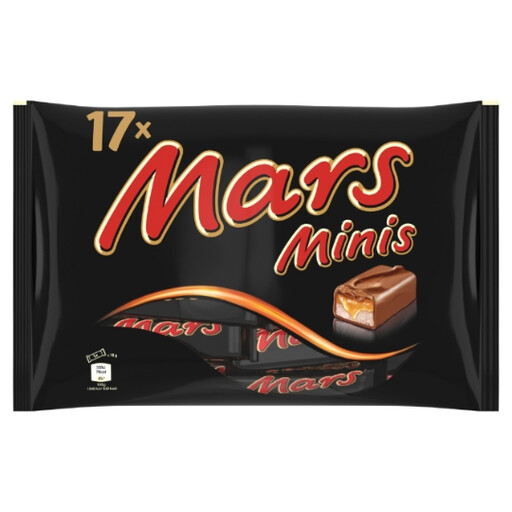 Image unavailable
This bag of mini chocolate bars makes it easy to put out pieces to share before the film. It weighs 333 g in total, so choose how many bars to serve rather than treating the whole bag as one portion.
No. According to the French Ministry of the Economy, the so-called ‘soda tax’ applies to sugary drinks, not chocolate bars. To compare chocolate bars, check their nutritional information.
No. Santé publique France says that displaying it is voluntary. The EU Food Information to Consumers (FIC) Regulation sets out the nutritional information requirements; check the nutrition declaration and ingredients whether or not the logo is shown.
Not necessarily. Lindt France lists 566 kcal per 100 g for its dark 70% mini bar, while Carrefour lists 641 kcal per 100 g for its Bio dark 90% bar. These two products aren’t enough to establish a general rule: compare the energy content of each recipe you’re considering.
Read the ingredients and any ‘may contain’ statements on the packaging of each product you’re serving. The products reviewed include warnings for milk, soya, wheat, hazelnuts and almonds, among others; a brand name is no substitute for checking.