People organising the snacks
If you’re handing each attendee a bar or mini portion, the weight of each piece and the kilocalories in the amount served matter more than the size of the packet alone.


For a meeting coffee break, first decide how much you’ll serve each person, then compare the kilocalories in that portion. A mini bar can make it easier to hand out individual servings, but that doesn’t necessarily mean it’s a lighter recipe. Check the sugars and allergens too, as well as the Nutri-Score if one is shown.
If you’re handing each attendee a bar or mini portion, the weight of each piece and the kilocalories in the amount served matter more than the size of the packet alone.
To compare products, look at the nutritional values on the same basis, then check the ingredients. The Nutri-Score can be another useful guide when it appears on the product.
Before choosing a recipe for several colleagues, ask about their dietary requirements and check the ingredients and allergen information for each product you’re considering.
For a meeting, first decide what each person will receive. Values per 100 g can then help you compare recipes, but they don’t replace the values for the portion you’ll serve.
| What matters | What to check | Who is this for? |
|---|---|---|
| Serving size | The weight you’ll give each person and the corresponding kcal; if needed, use the value per 100 g to work out the amount for your portion. | I want to give each colleague a set amount rather than let everyone help themselves. Around 44% of consumers would make portion control their top purchasing priority. |
| Nutritional information | Compare energy and sugars on the same basis; check the Nutri-Score only if it’s shown. | If I’m choosing between two tempting recipes, I want to compare their nutritional information on the same basis before deciding. This would be the first point of comparison for around 33% of consumers. |
| Group allergens | The ingredients list and allergen information for each option you’ve shortlisted. | I’m buying for several people and need to identify recipes that meet the dietary requirements shared by the group. Managing allergens would be the main concern for around 23% of consumers. |
A smaller piece changes the amount served, but not necessarily the recipe. For example, Carrefour lists 493 kcal per 100 g for TWIX Caramel and 536 kcal per 100 g for the SNICKERS Creamy product reviewed.
Decide on the portion for each person, then check its kilocalories rather than relying on the word “mini”.
According to the French Public Health Agency, displaying the Nutri-Score is voluntary. Its absence alone doesn’t tell you whether a recipe is a good choice.
Read the nutritional information and ingredients, and use the logo as an additional guide when it’s available.
Ingredients and allergen information can vary between recipes and product variants.
Ask attendees about their dietary requirements and check the exact packaging before planning what to serve.
These products are examples of classic chocolate bars to compare by recipe and portion, without assuming that a smaller format is lighter.
Mini formats and sharing bars offer different options for serving sizes, as long as you decide what each person will actually receive.
Its milk chocolate bars are an example of a multipack that can help you plan a set number of servings.
These products include mini formats, full-size bars and a chocolate-coated fruit and nut bar. For a coffee break, compare the amount you plan to give each person. The fruit and nut bar isn’t a like-for-like alternative to a classic chocolate bar.
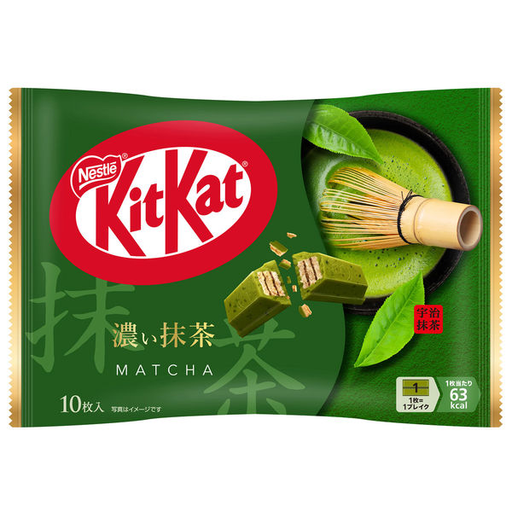 Image unavailable
Worth considering if you’d like to give each attendee a small piece. The packet is listed as 113 g; check the packaging for the weight, nutritional values and allergens of the piece you’ll serve.
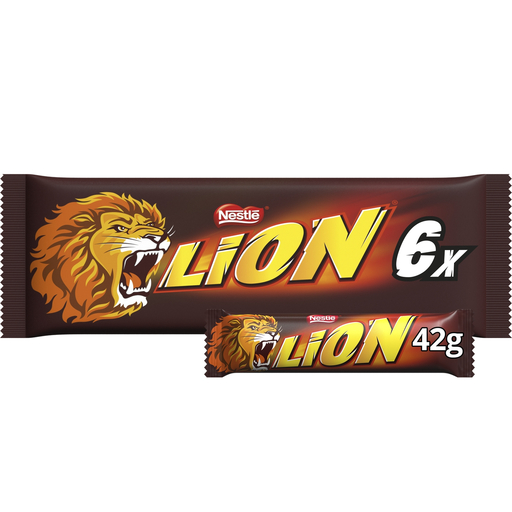 Image unavailable
The pack of six bars makes it easy to plan one full bar per person. If you’re looking for a smaller portion, decide how much of each bar to serve and check the corresponding nutritional values and allergen information.
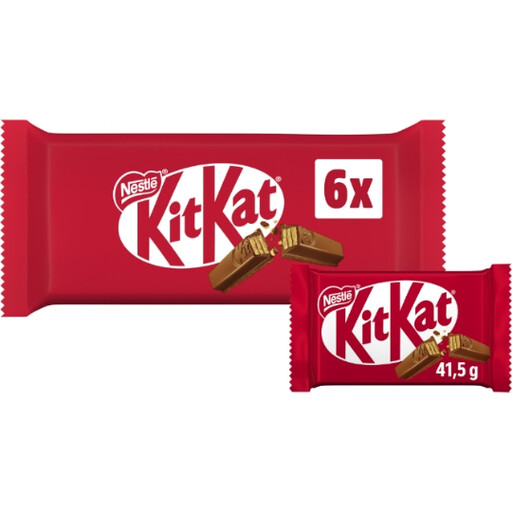 Image unavailable
These six bars work well if you’re serving full bars or portions decided in advance. For part of a bar, compare its weight with the nutritional information on the packaging and check the allergens.
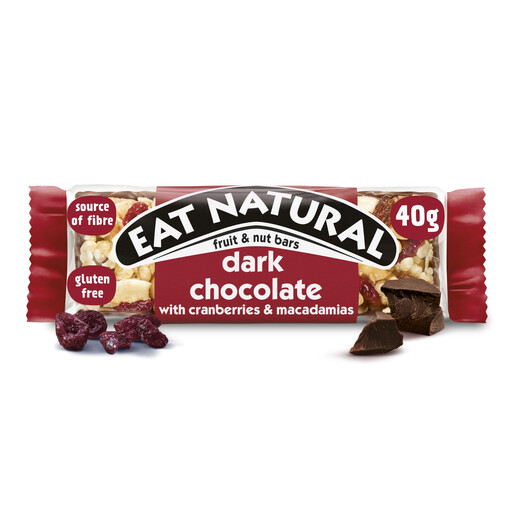 Image unavailable
This 40 g bar is another option if a chocolate-coated fruit and nut bar would suit your coffee break. It isn’t the same as a classic chocolate bar, so check its ingredients, nutritional values and allergen information.
 Image unavailable
The packet of nine pieces can help you plan how many servings to hand out. Before choosing this variant, check the kilocalories and sugars in the piece you’ll serve, then read the ingredients and allergen information on the packaging.
No. The levy known as the “soda tax” applies to sugary drinks, as explained by the French Ministry of the Economy. When choosing a chocolate bar, check its sugar content in the nutritional information; this is separate from any tax on the product.
No. The French Public Health Agency explains that producers can choose whether to display the Nutri-Score. If it isn’t shown, compare the product’s nutritional information and ingredients rather than drawing conclusions from the missing logo.
To plan what each person will receive at a meeting, start with the kcal in the portion you’ll actually serve. The value per 100 g helps you compare recipes on the same basis. For example, Carrefour lists 165 kcal for a 32 g portion of the KITKAT Chunky Duo reviewed and 493 kcal per 100 g for TWIX Caramel: these figures don’t describe equivalent portions.
Check the ingredients and allergen information for every variant you plan to serve, including any “may contain” warnings. Ask about the group’s requirements before you buy, and keep each product clearly identified when serving it.