When serving several coffees, choose individually wrapped cakes if everyone needs their own portion, small madeleines if you’re putting together a platter for the table, or a box with a stated number of mini cakes if you want to know exactly how many pieces you’ll have. Whatever you choose, check the weight of each piece, the sugar content and the allergens for the specific product: ‘mini’ describes the size, not what it contains.
Who are these formats suitable for?
Anyone who wants to count out portions
When serving several coffees, a box labelled as containing 10 pieces or individually wrapped cakes makes it easier to plan how many portions to put out. However, the number of pieces alone doesn’t tell you how much each portion contains.
Anyone serving coffee at the table
Small madeleines can be served in a bowl, so everyone can help themselves to one or more. The product information for St Michel plain mini madeleines gives a serving size of 17 g, specific to that product.
Anyone who checks the label carefully
If ingredients, allergens or sugar content influence your choice, check the exact product before deciding on its format. For prepacked foods, the DGCCRF says that allergens are highlighted in the ingredients list and nutritional information is given per 100 g or 100 ml.
What should you check before choosing?
First decide whether you’ll give everyone their own portion or serve bite-sized pieces on a platter. Then compare the amount you’ll actually serve and check the labels of products suited to that way of serving.
| Criteria |
What to check |
Who is it for? |
| Portions at a glance |
The number of pieces or individual packs and, where stated, the weight of each piece. |
When I’m serving several coffees, I want to know how many cakes I’ll need without putting the whole packet on the table. Around 42% of consumers would put counting out portions at the top of their list of needs. |
| How they’re served |
Individually wrapped cakes for handing out, or small pieces to serve in a bowl. |
If people will be having a snack at work or around a table, I choose packaging that suits how everyone will take their portion. This convenience would be the priority for around 33% of consumers. |
| Ingredients and nutrition |
Allergens and nutritional information, particularly sugar per 100 g, followed by the weight of the portion you’ll serve. |
Before choosing a cake to have with coffee, I need to be able to check its ingredients or compare its sugar content with another product. Ingredients and nutrition would be the top criterion for around 25% of consumers. |
Mistakes to avoid
-
Assuming a ‘mini’ cake is low in sugar
You can’t tell the nutritional values just by looking at the size. For example, Auchan’s product information for the POUCE chocolate-filled mini cake states that a 30 g serving contains 9.9 g of sugar; this figure applies to that specific product and serving size.
To compare two products, check the sugar per 100 g, then look at the weight of the pieces you plan to serve.
-
Confusing small pieces with individually wrapped cakes
A packet of small madeleines is handy for putting together a platter, but it won’t necessarily give each person their own wrapped portion. Individually wrapped mini cakes are designed for a different way of serving.
Before comparing the number of pieces, choose packaging that suits where you’ll be having your snack and how the cakes will be handed out.
-
Relying on the cake’s name to check for allergens
Ingredients vary by recipe and product. The product information we checked for several mini cakes mentions wheat, eggs or milk, among other ingredients.
If you’re putting together an assortment, read the ingredients list on every packet. The DGCCRF says that allergens in prepacked foods are highlighted in the list.
Brands to consider for these formats
The examples below show different types of packaging. The details given apply to the specific products mentioned, not to every product from each brand.
LU
LU’s Lulu strawberry mini rolls come in a box of 6 sachets, weighing 150 g in total. This is a format to consider if you want to hand out separate portions.
- The 6 sachets make it easy to see how many portions you have before serving.
- Check the ingredients for this product if wheat, eggs or milk are a concern.
St Michel
Plain mini madeleines are ideal for serving in a bowl; the product information gives a serving size of 17 g.
- You can decide how many pieces to put out on the table.
- This larger bag doesn’t automatically give each person their own wrapped portion. Check the allergens for the product you buy.
Carrefour Classic'
Carrefour’s box of fruit mini cakes contains 10 pieces and weighs 300 g.
- The number of pieces helps you plan how many to serve with several coffees.
- Check the ingredients list and nutritional information on the box you choose before comparing recipes.
P'TIT DELI (Marque Repère, E.Leclerc)
E.Leclerc lists, among others, a 300 g pack of 10 mini cakes with chocolate chips.
- This box lets you plan for 10 pieces when serving.
- Check the product information or packaging for the specific product you choose.
POUCE (Auchan)
Auchan’s chocolate-filled mini cakes come in 14 individually wrapped sachets, weighing 420 g in total.
- Each cake is individually wrapped and listed as weighing 30 g.
- The product information gives 9.9 g of sugar per 30 g serving and lists wheat, eggs and milk. Compare these details against your own criteria.
Cakes to consider on Joybuy
These products let you plan for three pieces for a coffee break. The lemon cake is listed as individually wrapped; if you’re planning to hand out the two dorayaki products separately, check how they’re packaged. The fact that each product comes in a pack of three doesn’t necessarily mean the cakes are bite-sized.
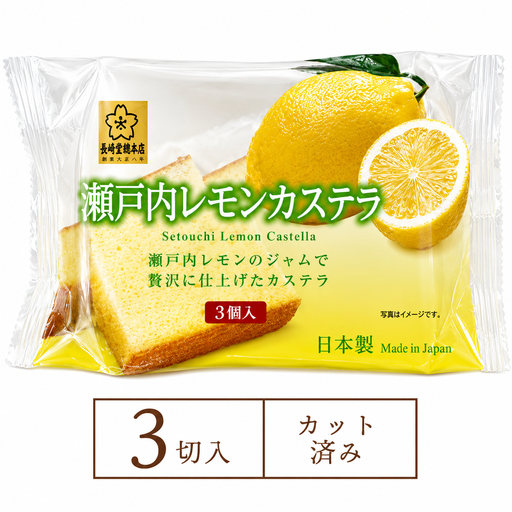 Image unavailable
Sakuraseika Sakura Seika Setouchi Lemon Cake, 3 pieces, 93 g
If you’re planning to serve three portions with coffee, this product is listed as three individually wrapped lemon cakes, weighing 93 g in total.
If you’re comparing its ingredients with those of other cakes, check the sugar per 100 g on the packaging of the product you buy.
View on Joybuy
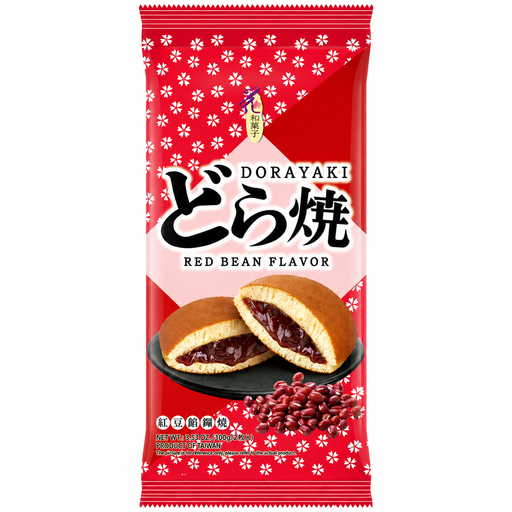 Image unavailable
LOVE & LOVE Dorayaki Cake Red Bean Flavour Filling, 165 g (3 pieces)
If you want to count out portions before serving coffee, this pack is listed as containing three dorayaki filled with red beans, weighing 165 g in total.
If everyone needs their own individually wrapped cake, check how the pieces are packaged before buying.
View on Joybuy
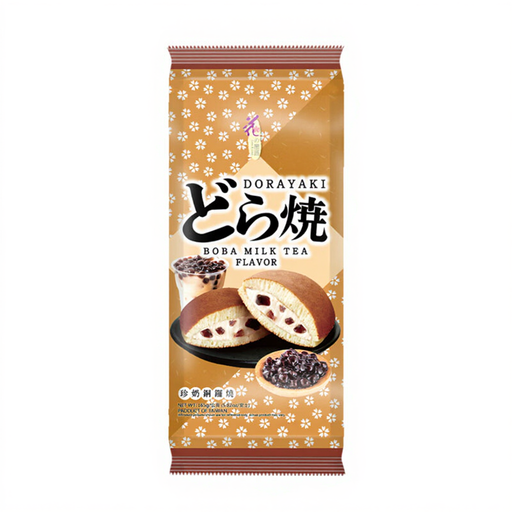 Image unavailable
LOVE & LOVE Dorayaki Cake Boba Milk Tea Flavour Filling, 12X165G (3 pieces)
If you’re planning a snack with a set number of portions, the description lists a pack of three dorayaki filled with milk tea and tapioca pearls flavour, weighing 165 g.
The title also includes ‘12X165G’, so check how many packs are included in the multipack. Also confirm how each cake is packaged if you want to hand out individually wrapped portions.
View on Joybuy
Frequently asked questions
How do you compare two mini cakes of different sizes?
Compare their nutritional values per 100 g, then check the weight of each piece or sachet to work out how much you’ll be serving. The DGCCRF states that nutritional information for prepacked foods is given per 100 g or 100 ml, providing a common basis for comparing different formats.
Where can you find the allergens in a prepacked mini cake?
Read the ingredients list for the specific product. The DGCCRF says that allergens must be highlighted in the list for prepacked foods. Don’t assume a cake’s ingredients from its name or from another recipe by the same brand.
What does a best-before date mean on a packet of cakes?
A product that is past its best-before date isn’t automatically unsafe to eat, but its taste and quality may have changed. Check that the packaging is intact and follow the storage instructions. A use-by date is different and must not be exceeded, as the DGCCRF points out.
Does choosing a mini format tell you what’s in a snack?
No. It helps you count the pieces, but doesn’t tell you how much sugar or fat they contain. To choose between two products, compare the values per 100 g and the weight of the amount you plan to serve.


