People planning several snack times
You want to know how many snacks a pack can provide, so you compare its net weight with the number of cakes rather than judging by its size alone.


To cater for several snack times, choose between mini cakes to share, individually wrapped packs and a larger pack that you can portion yourself. Compare the net weight with the number of cakes or sachets, then check the ingredients, allergens and nutritional values per 100 g: the word ‘mini’ doesn’t define a portion by itself.
You want to know how many snacks a pack can provide, so you compare its net weight with the number of cakes rather than judging by its size alone.
You’re looking for small portions that are easy to hand out or take with you, while keeping an eye on the total amount you’re buying and what’s in it.
You look at the ingredients list, allergens or nutritional information before choosing a particular recipe.
When choosing between a pack of mini cakes, individually wrapped sachets and a larger format to portion at home, start with the number of snacks you need. Then check the packaging and label for each product: these formats don’t necessarily contain the same amount per unit.
| Criterion | What to check | Who it matters to |
|---|---|---|
| Amount you can use | Check the net weight and number of cakes or sachets, then compare them with the snacks you’re planning. | When planning several snacks, I want to know how much is in the pack without judging by its apparent size; around 42% of consumers put this first. |
| How portions are divided | Check whether the units are already separated, and distinguish the total weight from the number of individual cakes. | If the snacks need to be taken with me, I’d rather know what’s already portioned and what I’ll need to prepare; this convenience comes first for around 33% of consumers. |
| Ingredients | Check the ingredients and allergens for the exact product, then compare the sugars and fat per 100 g. | When I switch recipes, I want to check the label again before choosing; around 25% of consumers prioritise ingredients. |
A mini cake doesn’t automatically match the serving size used in the nutritional information. The DGCCRF states that nutrition information is given per 100 g to make comparisons easier; if the pack also shows values per serving, check those separately.
A compact pack doesn’t tell you by itself how many snacks you’ll be able to prepare.
Look at the net weight and the number of cakes or sachets together, then compare them with the amounts you plan to serve.
The number of cakes and the basis used for the nutritional information are two different things. The Mini Tam Tam St Michel sold by Auchan contains 25 cakes in a 375 g pack; its nutritional values are also given per 30 g and per 100 g.
Choose how much to serve to suit your needs. Don’t assume that one cake is the serving shown just because it’s described as ‘mini’.
If you switch from a plain recipe to a filled or chocolate one, check the ingredients list for the product you’ve chosen. The DGCCRF reminds shoppers that allergenic ingredients must be highlighted.
Check the exact pack whenever you change flavour or format.
The examples below show different types of packaging to compare; they aren’t a ranking of the brands.
A product to consider if you’d like to portion mini cakes yourself across several snack times.
Sachets may suit you if you want snacks that are already portioned.
This retailer provides product pages for LU and St Michel products, which are useful for comparing formats before checking the packaging.
This small-format product could work for snacks to share out. They’re wafers rather than soft cakes, so compare them within their own category if the recipe matters to your choice.
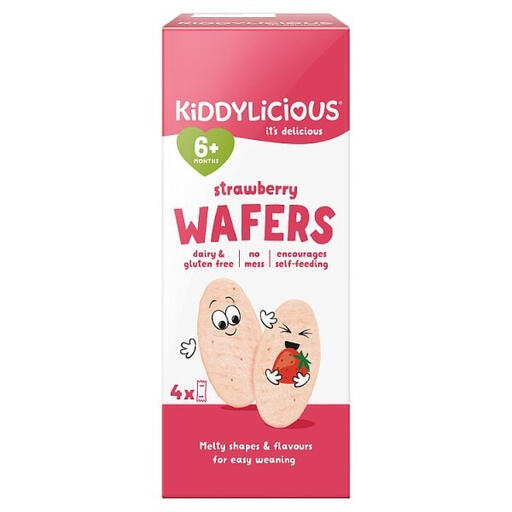 Image unavailable
If you’re planning small portions to take with you, check the pack to see what each sachet contains. If these wafers are for a young child, follow the recommended age on the pack and supervise them while they eat.
Start by comparing their net weight with the advertised number of cakes or sachets. Then make sure they’re similar recipes and product types before using their labels to help you choose.
Check the ingredients list on the exact pack. The DGCCRF states that allergenic ingredients must be highlighted; check the list again if you change recipe or format.
Use the values per 100 g, the comparison basis specified by the DGCCRF. This lets you compare the sugars, fat and salt in the same quantity, then look separately at any information given per serving.
A product doesn’t automatically need to be thrown away once its best-before date has passed: the date indicates how long it is expected to retain its quality. Check the storage instructions and the condition of the product, and don’t confuse a best-before date with a use-by date.