What should you look for before buying?
First decide how much you’ll take with you, then check whether the cake’s nutritional content suits what you want from your snack. When comparing recipes, the DGCCRF notes that nutritional information is given per 100 g; use this to work out the values for your portion.
| Criteria |
What to check |
Who it’s for |
| What the snack contains |
Check the carbohydrates, sugars, protein, fat and salt per 100 g, then for your portion. |
If my next meal is still a while away, I want to know what the cake provides before deciding whether I need anything else to eat or drink. Around 42% of consumers put this question first. |
| Amount eaten |
Compare the total weight, number of sachets or pieces, and the portion size shown on the packaging. |
For a snack on the go, I prefer to know when to stop rather than help myself several times from a large pack. Around 33% of consumers put controlling the amount first. |
| Ingredients and nutritional criteria |
Check the ingredients and allergens on the exact pack; if it makes a claim about sugars, look at the rest of the nutritional information too. |
If certain ingredients are a concern or I’m comparing sugar content, I can’t rely on the product range name alone. Around 25% of consumers prioritise these criteria. |
Individually portioned cakes and biscuits on Joybuy
These products come in sachets, separate packs or multi-piece formats that you can consider for a snack on the go. Some are biscuits rather than mini cakes; whichever you choose, check how much you’ll eat and the contents of the exact pack.
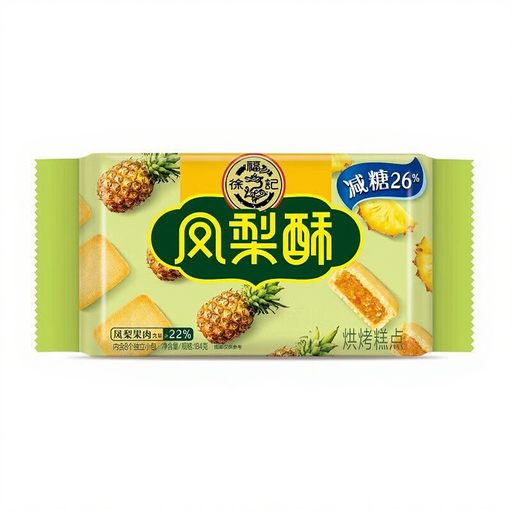 Image unavailable
HSU FU CHI Pineapple Cake Reduced Sugar, 184 g, 8 sachets
The eight individual sachets let you choose how many to take with you. The pack contains 184 g in total; check the weight and nutritional information for the sachet you’ll eat. The ‘Reduced Sugar’ claim doesn’t tell you everything about the snack’s nutritional content.
View on Joybuy
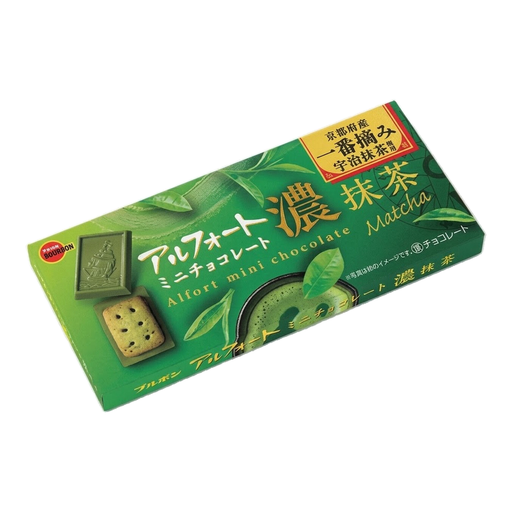 Image unavailable
Bourbon Alfort Mini Chocolate Dark Matcha, 12 pieces, 60 g
This pack of 12 small biscuits lets you decide how many to take for a snack. The pack weighs 60 g; check the label to work out the nutritional values for the amount you’ll actually eat.
View on Joybuy
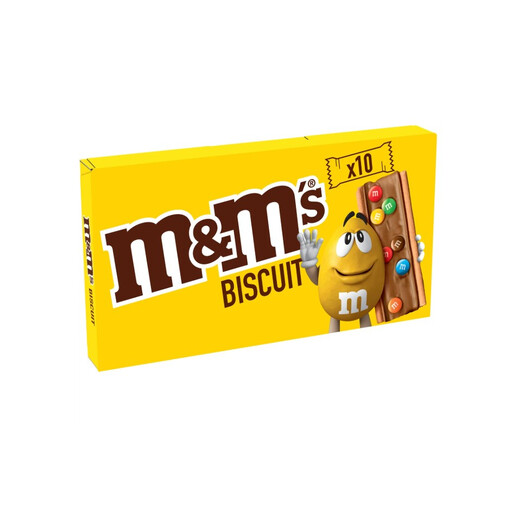 Image unavailable
M&M’s Biscuit Pocket, pack of 10, 198 g
These are Pocket-sized biscuits, not cakes marketed as mini bites. The 198 g pack contains 10 biscuits: choose how many to take with you, then check the label for the nutritional values for your portion.
View on Joybuy
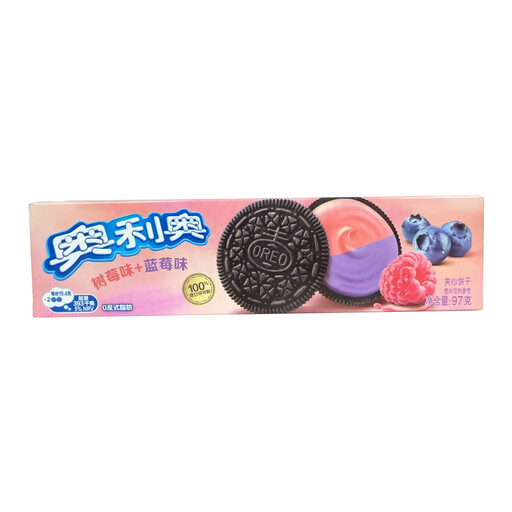 Image unavailable
Oreo Raspberry & Blueberry Sandwich Cookies, 97 g, 2 packs
The two individual packs make it easy to split your snacks, but these sandwich biscuits aren’t mini cakes. The 97 g is the weight of the whole product: check how much is in the pack you open to work out your portion.
View on Joybuy
Frequently asked questions
Is one mini cake enough for a snack after exercise?
Its small size doesn’t tell you. Check its nutritional content and how much you’ll eat, then think about when your next meal is. INSEP’s nutrition guidance distinguishes between sources of protein, starchy foods and hydration: the name of the cake won’t tell you whether it meets your needs for this snack break.
How do you compare two mini cakes in different pack sizes?
First compare their nutritional values per 100 g, then look at how much of each you’ll eat. According to the DGCCRF, nutritional information is given per 100 g or 100 ml. When choosing your portion, check the weight of the sachet or the number of pieces you plan to have too.
Is Nutri-Score compulsory on cakes in France?
No. According to Santé publique France, displaying it is voluntary for producers. Whether or not it appears on the pack, check the ingredients list and nutritional information to compare the products you’re interested in.
What should you check on a pack if you have a food allergy?
Read the ingredients list on the exact pack and check which allergens are highlighted. Highlighting allergens is part of the labelling rules for pre-packed foods, as noted by the DGCCRF. Don’t assume that a different flavour or format has the same recipe.
Does ‘30% less sugar’ mean a cake is suitable for any post-exercise snack?
No. This claim relates to sugars and doesn’t tell you everything about the rest of the product. For the St Michel Petites Madeleines product carrying this claim, also check the portion size and nutritional information on the Auchan listing, as well as the ingredients on the pack you buy.


