For a little treat to enjoy on its own
Net weight matters more than simply whether it’s called a ‘chocolate bar’. If the chocolate needs to be easy to take out or give as a separate item, check that it comes individually wrapped too.


For a little treat to enjoy on its own, first choose a suitable weight and packaging, then pick a recipe that suits the recipient’s tastes. Dark chocolate with around 70% cocoa may be a good choice if she enjoys cocoa without wanting an especially bitter taste. Milk chocolate offers a different flavour, while 100% dark chocolate is best suited to someone who explicitly enjoys an intense taste. A mini bar is not necessarily individually wrapped, so check the unit you’re buying, along with its ingredients and allergens.
Net weight matters more than simply whether it’s called a ‘chocolate bar’. If the chocolate needs to be easy to take out or give as a separate item, check that it comes individually wrapped too.
This percentage can give you an idea of the flavour, but it doesn’t tell you everything about the recipe. Check the specific product to see its ingredients, sugar content and allergens.
A 100% cocoa bar only makes a suitable gift if the recipient already enjoys a very bitter taste. Its low sugar content alone doesn’t tell you what its other nutritional values are.
For this Mother’s Day treat, start by thinking about how it will be enjoyed — as a solo treat or a bar to break into pieces — before comparing recipes and labels.
| What to look for | Check | Who is it for? |
|---|---|---|
| Format | Net weight and whether it’s individually wrapped, if that’s essential. | If the chocolate is to be enjoyed on its own or taken out, a large bar may need to be broken into pieces; around 42% of consumers put format top of their list of criteria. |
| Flavour | Type of chocolate, cocoa percentage and any added ingredients, such as caramel. | If you want to give a flavour the recipient will enjoy, sweetness or cocoa intensity is the most important factor for around 33% of consumers. |
| Label | Ingredients, allergens and nutritional information per 100 g. | If the ingredients affect your choice, particularly when there’s an allergy, check the exact product; around 25% of consumers prioritise this information. |
A chocolate bar or mini bar isn’t automatically a single portion wrapped separately.
Check the net weight, packaging and, if shown, the number of portions in the item you’re buying.
According to Santé publique France, displaying the Nutri-Score is voluntary. Whether it appears or not, it doesn’t replace checking the recipe and nutritional information.
Compare the sugar and fat content per 100 g, then consider how much will actually be eaten.
Article 1613 ter, published by Légifrance, applies to drinks and liquid drink preparations, not solid chocolate bars.
To compare two bars, check their sugar content on the label instead.
Product information for Lindt and Côte d’Or dark chocolate bars warns that they may contain traces of allergens, including milk or nuts, depending on the product.
Before giving the chocolate as a gift, check the ingredients list and any ‘may contain’ warnings on the exact packaging.
The EXCELLENCE range includes dark chocolate bars with different levels of intensity, making it easier to choose one that suits the recipient’s tastes.
The 70% cocoa Bio dark chocolate bar featured on Carrefour’s product page is another option to consider if you’re planning to break it into pieces.
The retailer’s range lets you compare recipes and weights, including a 200 g Carrefour Bio 70% dark chocolate bar.
This selection includes mini bars for a little individual treat and 100 g chocolate bars to break into pieces. It features dark chocolate with varying levels of intensity, as well as a milk chocolate recipe with caramel and sea salt. Check the packaging if you need an individually wrapped item.
 Image unavailable
Its 35 g size could make a lovely little treat if the recipient enjoys dark chocolate with 70% cocoa. Check the packaging if the bar needs to be individually wrapped.
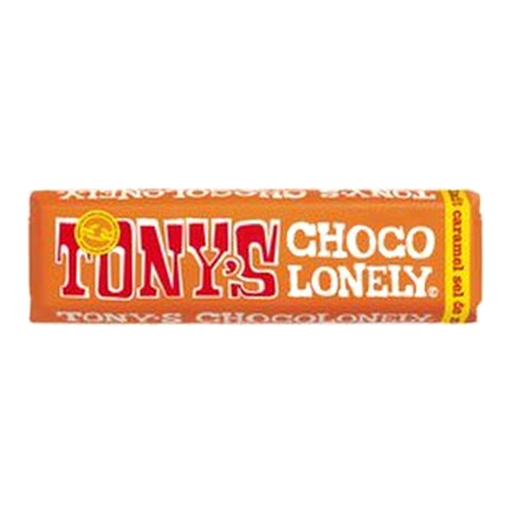 Image unavailable
This 47 g bar is a good fit for someone who prefers milk chocolate and caramel to intensely flavoured dark chocolate. Check the packaging if it’s to be given as an individual item.
 Image unavailable
This 100 g bar is worth considering if the recipient enjoys dark chocolate with lemon and green pepper. Its weight alone doesn’t make it a single portion.
 Image unavailable
This 100 g bar is for someone looking for a higher cocoa percentage than in a 70% recipe. For a solo treat, plan to break it into pieces rather than assuming it’s a single portion.
 Image unavailable
This 70% cocoa dark chocolate bar could be a good choice if the recipient prefers this level of intensity. The 100 g bar will need to be broken into pieces for a small treat. Check the ingredients and packaging on the item you buy.
No. Article 1613 ter, published by Légifrance, applies to drinks and liquid drink preparations that meet the conditions it sets out, not solid chocolate bars. Sugar content is still worth checking when choosing between two recipes.
No. Santé publique France says displaying it is voluntary. For pre-packed food, check the nutritional information and ingredients list even if there’s no Nutri-Score.
Read the allergens highlighted in the ingredients list and check for any ‘may contain’ warnings on the packaging for the exact product. The chocolate’s dark colour alone doesn’t rule out the presence of milk or other allergens, or traces of them.
No. The cocoa percentage alone doesn’t determine the energy content of a chocolate bar. Compare the nutritional information per 100 g for the products you’re considering, and take into account the weight of the portion that will be eaten.