
Livraison le jour même ou le lendemain

Qualité garantie

Débloquez vos offres de bienvenue: Livraison GRATUITE | Jusqu'à -80 % | 30 jours d'essai gratuits à JoyPlus
Téléchargez l'application
Buying still or sparkling mineral water in packs makes daily life easier, but not all packaging is created equal depending on how you use it. A family won't necessarily need the same format as an office, a restaurant, or someone who regularly carries their bottles around.
The price you see can also hide some important differences: the actual volume you get, an awkward format, bulky storage, or a mineral composition that doesn't match your preferences. Here are the criteria to check before ordering water online, whether you're looking for still water, sparkling water, or a refreshing drink to serve at the table.
The terms natural mineral water, spring water and carbonated water don't all mean the same thing. Natural mineral water comes from a recognised source and has a stable, characteristic mineral composition. Spring water must also meet drinking water standards, but its mineral content can differ.
For sparkling water, check whether the gas occurs naturally in the source or whether carbon dioxide has been added. This information is usually given in the product description or on the label.
A pack of 24 bottles of 50 cl contains 12 litres, whereas a pack of 12 bottles of 1.5 litres holds 18 litres. Comparing just the number of units can therefore give a false impression of savings. The smart move is to work out the price per litre, while also considering how much space you have in your cupboards.
Heavy packs are awkward in a flat without a lift or when storage space is limited. On the other hand, 33 cl or 50 cl bottles are easier to carry, but they create more packaging per litre.
Once opened, sparkling water gradually loses its fizz. Product pages usually recommend keeping it in the fridge and drinking it quickly. If a large bottle is being consumed by just one person, choosing an individual format can also help reduce waste.
At home or in the office, combining a pack of small bottles with a few larger formats can be more practical than a single very bulky option.
The composition is given in mg/l. Calcium, magnesium, sodium, bicarbonates and sulphates all influence the taste. A low-mineral water is often perceived as light, while a more mineral-rich water can have a stronger flavour.
This information should not be interpreted as health claims. If you are following a particular diet or a healthcare professional has advised you to monitor certain minerals, check the label and seek advice tailored to your situation.
Still water and natural sparkling water usually have 0 kcal and 0 g of sugars. This isn't necessarily the case for coconut water or a fruit-flavoured sparkling drink. Check the ingredients list, especially for the presence of juice, flavourings, sweeteners or added sugars.
Also think about the material and recycling instructions. The products shown may be packaged in PET, aluminium or carton. How recyclable they are depends on the container and the collection systems available in the UK.
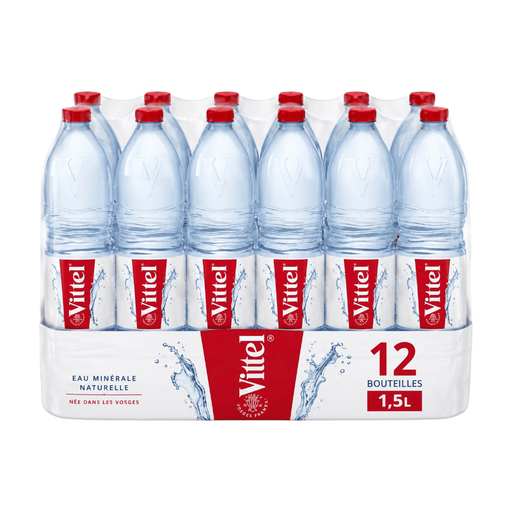
Why this choice suits this profile: With 18 litres in total, this pack is ideal for family storage. The 1.5-litre bottles can be easily split between the kitchen, the office and the dining room.
The total volume of 18 litres is clearly stated, so you don't rely only on the number of bottles. The composition details calcium, magnesium and bicarbonates.
A pack of 12 bottles of 1.5 litres, natural mineral water of French origin, and simple storage at room temperature.
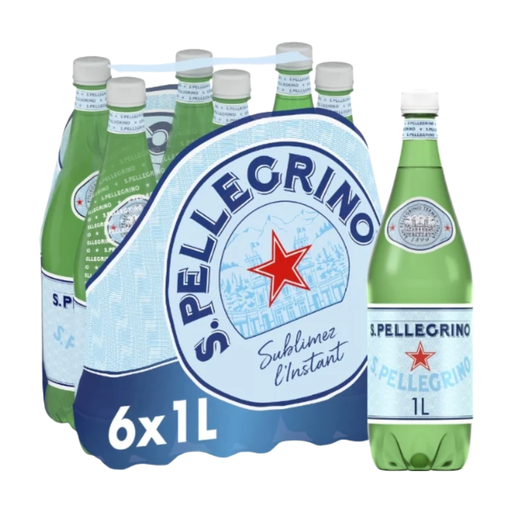
Why this choice suits this profile: The one-litre format is perfect for serving at the table and for meals with several people, when you appreciate a sparkling water with fine bubbles.
The product page states that this is a natural mineral water with added carbon dioxide, and details its mineral composition.
Six one-litre bottles, Italian origin, with 164 mg/l of calcium and 49.5 mg/l of magnesium listed on the product page.
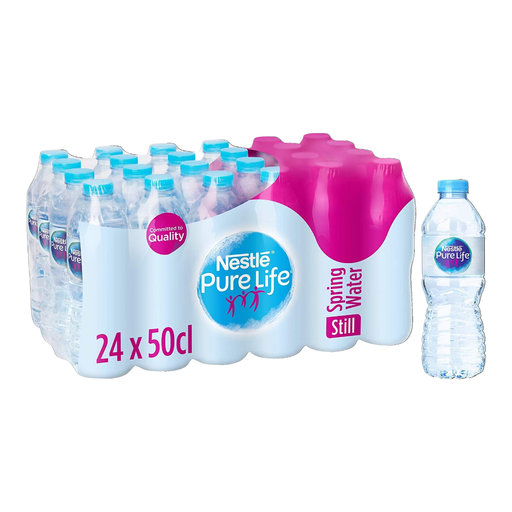
Why this choice suits this profile: The 24 bottles of 50 cl are ideal for offices, events, on-the-go use, or anywhere several people are helping themselves individually.
The total volume of 12 litres is clearly stated, while the individual format avoids leaving a large bottle open for several days.
Still spring water, 24 bottles of 500 ml, with no sugar or calories according to the information provided.
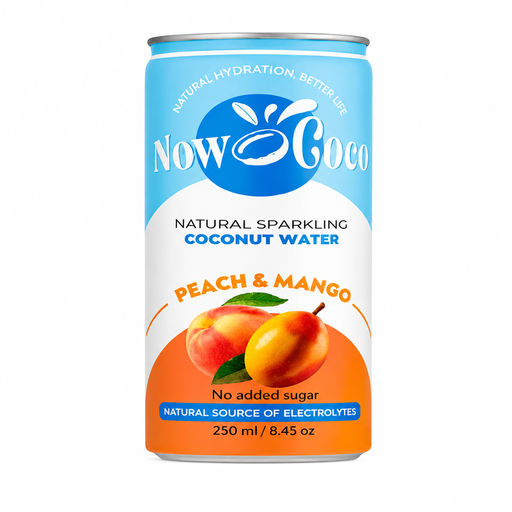
Why this choice suits this profile: This fruity sparkling drink, available in a 250 ml can, offers a flavoured alternative to sparkling water for a break or an aperitif.
The product page clearly distinguishes the coconut water, peach and mango juices, and the sweetener E955. This product should not, therefore, be compared to a natural sparkling water.
A 250 ml format, coconut water with fruit juices, 15 kcal and 3.3 g of sugars per 100 ml according to the product page.
The 1 or 1.5 litre format is generally suitable for meals and storage at home. The 50 cl bottles are easier to hand out to several people, especially in the office or at an event. In any case, compare the price per litre before you check out.
An opened bottle of still water is best kept in the fridge and should be drunk quickly. For sparkling water, the fizz fades after opening. Follow the instructions on the packaging and avoid leaving bottles in the sun or near a heat source.
Still water discreetly accompanies all dishes. Sparkling water gives a livelier sensation in the mouth and can work well at sociable meals. For a flavoured drink like sparkling coconut water, check the sugars, juices and additives so you can clearly tell it apart from a natural sparkling water.