
Livraison le jour même ou le lendemain

Qualité garantie

Débloquez vos offres de bienvenue: Livraison GRATUITE | Jusqu'à -80 % | 30 jours d'essai gratuits à JoyPlus
Téléchargez l'application
Between bottled water, flavoured water, vitamin drinks and multipacks to keep in stock, it is not always easy to know what to choose. A colourful label, the word “vitamins” or a fruity flavour is not enough to tell you whether a product really suits your habits.
Whether at home, in the office, on the go or during physical activity, three mistakes are particularly common.
The term natural mineral water has a precise regulatory definition: the water comes from a protected underground source and its mineral composition remains stable within controlled limits. Where this information is provided, pay particular attention to the levels of calcium, magnesium, sodium, sulphates and bicarbonates.
Flavoured water can be a pleasant way to add variety, but it should not be compared directly with natural mineral water. Check whether it contains sugar, sweeteners, flavourings or acidity regulators. For example, Volvic ZEST lemon in a 50 cl bottle contains 5 kcal and 1 g of sugars per 100 ml, according to the information provided for this product.
Drinks enriched with vitamins or minerals deserve the same attention. The advertised vitamins are present in the quantities stated on the label, but they are not a substitute for a varied, balanced diet.
The best format mainly depends on how you intend to use it:
Always compare the price per litre, rather than looking only at the pack price. A larger multipack reduces how often you need to shop, but you should also consider the total weight, available storage space and best-before date.
If you are looking for a low-calorie drink, check the energy content per 100 ml as well as per bottle. A drink containing 16 kcal per 100 ml actually provides 80 kcal in a 50 cl bottle: a difference that is easy to underestimate.
After opening, some products must be stored in the fridge and consumed within the period stated on the packaging. If you drink slowly, an individual bottle or can may sometimes be more practical than a larger container.
Sports bottles also deserve a closer look when it comes to the cap. A sports cap makes it easier to drink while moving, while a standard cap may be better suited to storage and drinking at home.
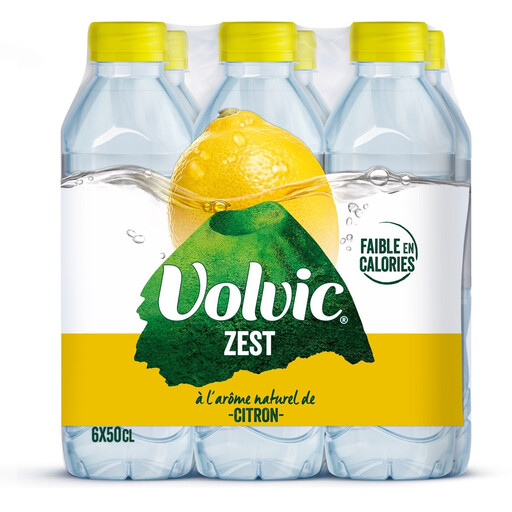
Why this choice suits this profile : With six 50 cl bottles, this multipack lets you try lemon-flavoured water without committing to a large quantity straight away. The bottles are easy to take to work or on the go.
The energy value and sugar content are specified per 100 ml. The recipe also lists natural flavourings, citric acid and steviol glycosides.
Six 50 cl bottles, 3 litres in total, a stated French origin and refrigeration after opening.
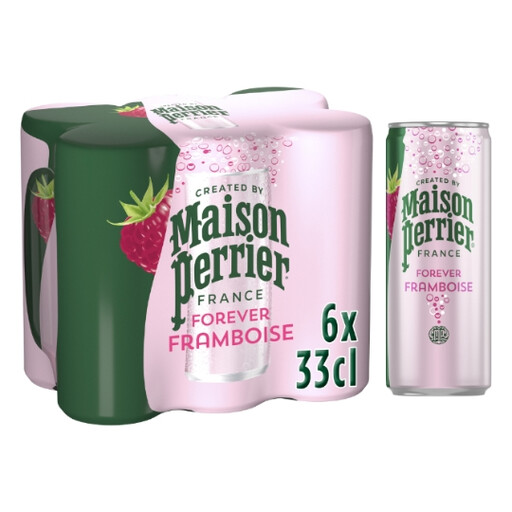
Why this choice suits this profile : Presented in 33 cl cans, this flavoured sparkling water is ideal for those who prefer an individual format and attractive presentation, whether at home or in the office.
The ingredients list states 99.9 % sparkling natural mineral water and natural raspberry flavourings, with no sugar or sweetener according to the product information provided.
Six 33 cl cans, 0 kcal and manufacture stated as taking place in France.
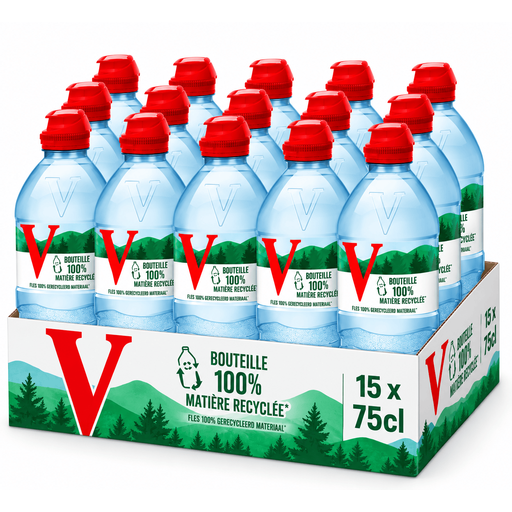
Why this choice suits this profile : The sports cap and 75 cl format make it easier to drink during physical activity, a working day or an outing with a group.
The volume, cap type and number of bottles are clearly stated, so you can check before buying that the multipack really meets your needs.
15 × 75 cl bottles of still natural mineral water, with a cap designed for easy drinking on the move.
We have brought together a complete selection, updated in real time, of products that meet these strict criteria, as well as European safety requirements.
Natural mineral water comes from a recognised source and has a distinctive mineral composition. Flavoured water is a water-based drink to which flavourings, acidity regulators, sweeteners or sugar may be added. The easiest way to tell them apart is to check the ingredients list.
The 50 cl format is suitable for short journeys and days at the office. For physical activity or a full day out, a 75 cl bottle means you do not have to carry several containers. A sports cap makes drinking on the move much more comfortable, but remember to check the storage instructions after opening.
A vitamin drink can complement the drinks you consume throughout the day, but you should examine its composition: calories, sugars, sweeteners and vitamin levels. For straightforward hydration, water remains the simplest option, with no sugar or calories. Compare the nutritional information and, above all, choose a format that matches how much you actually drink.