Anyone organising a group break
You want to put the chocolate out on the table or hand it round without having to break up a bar during the break. Bites or pre-portioned squares can make serving easier; check the exact packaging first.


For a mid-morning snack with a group, choose individually portioned units if everyone needs to help themselves easily, particularly at different times. A bag or box works well if the group can share the contents straight away; with bars, you’ll need to break them into pieces first. In every case, choose a quantity that suits the group and check the ingredients and allergen information for the product you select.
You want to put the chocolate out on the table or hand it round without having to break up a bar during the break. Bites or pre-portioned squares can make serving easier; check the exact packaging first.
You need to choose a recipe that suits everyone taking part. The ingredients list helps you identify the allergens listed; compare sugar content on a like-for-like basis too, such as per 100 g.
You’re looking for a pack size that suits the number of people and how you plan to serve it. Check the net weight, then the number of units if stated: a heavier pack doesn’t necessarily contain more individually portioned pieces.
Choose this: when people will help themselves at different times or you don’t want to prepare pieces in advance.
Bear in mind: check how many units are in the pack and whether they’re individually wrapped.
Choose this: when everyone is together and the contents can be served straight away.
Bear in mind: the pack weight alone won’t tell you how many pieces there are to hand out.
Choose this: if you can prepare the chocolate before the break.
Bear in mind: you’ll need to break up a bar, and several bars don’t necessarily mean the same number of individual portions.
| What to check | Look for | Who is it for? |
|---|---|---|
| Serving | The number of pieces or separate sachets; and whether they’re individually wrapped if everyone will be taking one in turn. | If colleagues arrive at different times, I want to be able to hand out the chocolate without cutting it up first. Around 40 % of consumers would prioritise ease of serving. |
| Ingredients | The ingredients and allergens in the exact product; sugar per 100 g to compare recipes. | Before bringing chocolate for the group, I need to be able to check the recipe for anyone with an allergy. Around 40 % of consumers would make this their top priority. |
| Quantity | The net weight and, where stated, the number of units; how much will be left after the break. | For a small group, I’d rather avoid a pack where a large amount will go unused. Around 20 % of consumers would put choosing a quantity that suits the group first. |
According to Santé publique France, displaying the Nutri-Score is voluntary in France. Its presence doesn’t replace checking the recipe and nutritional information.
Compare the nutritional information and ingredients lists of the products you’re considering; use the Nutri-Score as an additional guide if it appears on the packaging.
Article 1613 ter of the French General Tax Code, published by Légifrance, covers drinks and liquid preparations for drinks, not bags of solid chocolate.
When choosing chocolate, check the recipe, nutritional information and net weight instead.
A high net weight doesn’t tell you how many pieces are ready to hand out. A bar and a bag of bites call for different serving arrangements.
First decide whether everyone will take an individual unit or whether you’ll prepare pieces, then check what’s inside the pack.
Recipes can vary between products and may include different ingredients, such as nuts or soya. The DGCCRF reminds manufacturers that allergens present must be highlighted in the ingredients list on prepacked foods.
Keep the packaging until you serve the chocolate and check the exact product you’ve bought, including any precautionary allergen statements that matter to the people taking part.
Carrefour lists Milka milk chocolate in a 126 g bag, among other products.
Carrefour lists Lindor milk chocolate squares in a 188 g bag.
Carrefour product listings include a box of 24 milk chocolate miniatures weighing 240 g and a box of 8 sachets of praline bites weighing 200 g.
Carrefour lists an assortment of Nestlé milk chocolates in a 266 g box, as well as Les Recettes de l’Atelier squares in a 200 g bag.
E.Leclerc lists TABLETTE D’OR milk chocolate in a pack of 3 × 100 g bars: these are chocolate bars, not a bag of individually wrapped pieces.
These products are suited to sharing: prepare pieces from the bars or organise a group break with multipacks. Check the packaging and ingredients of each product before choosing.
 Image unavailable
If you can prepare the chocolate before the break, this pack contains three 100 g bars. Check the ingredients on the packaging if anyone taking part has dietary requirements.
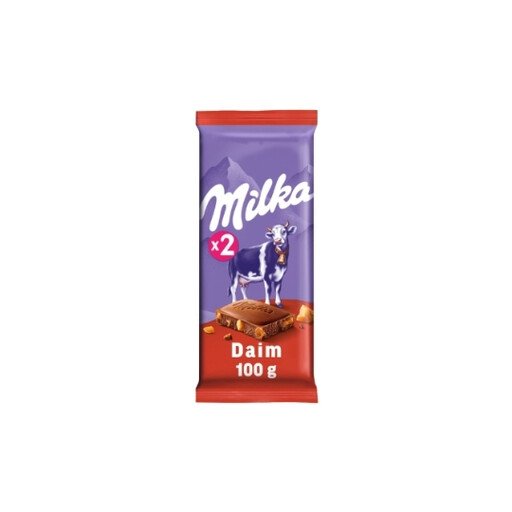 Image unavailable
This pack of two 100 g bars gives you chocolate to break into pieces for the group. The number of portions will depend on how you divide them up; check the label for the ingredients too.
 Image unavailable
The number of bars can make it easier to organise serving for a group. Check whether they’re individually wrapped if everyone will be helping themselves at different times, and check the ingredients too.
 Image unavailable
You can share these three 50 g bars among the group or break them into pieces before serving. The number of bars doesn’t determine everyone’s portion, so check the recipe on the packaging.
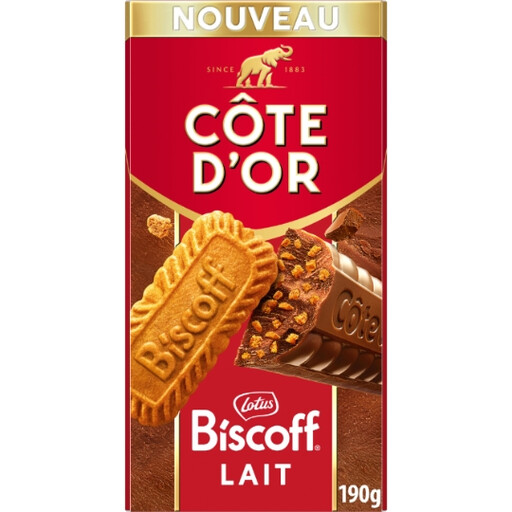 Image unavailable
This 190 g filled bar will need to be broken into pieces if you want to hand it round during the break. Check the ingredients list for this recipe before offering it to the group.
No. The levy under Article 1613 ter of the French General Tax Code, published by Légifrance, applies to drinks and liquid preparations for drinks intended for human consumption, not to a bag of solid chocolate.
No. According to Santé publique France, displaying it is voluntary. If it appears on the packaging, you can use it alongside the nutritional information and ingredients list, rather than as your only way to choose.
Read the ingredients list for the product you’ve bought: the DGCCRF says that allergens present must be highlighted there on prepacked foods. Also check any precautionary allergen statements that are relevant to the people taking part, and keep the packet handy while serving.
To compare two chocolates, start with the values per 100 g so you’re using the same reference amount. A value per portion, where stated, refers to the portion defined on the packaging: check that it matches the amount you plan to serve.