Parents serving several children
If each child needs an easy-to-count individual portion, mini bars are one option. Carrefour, for example, lists a 200 g bag of 20 Milka mini bars. Boxed bites are better suited to serving out yourself.


To give each child an individual portion easily, choose a format that’s already portioned. If you’d rather serve the group yourself, a bag of bites is a good option, while bars need to be broken up first. In all cases, check the allergens on the exact packaging and compare sugars per 100 g. Nutri-Score can provide extra information if it’s displayed, but it’s optional in France.
If each child needs an easy-to-count individual portion, mini bars are one option. Carrefour, for example, lists a 200 g bag of 20 Milka mini bars. Boxed bites are better suited to serving out yourself.
The words ‘milk chocolate’ alone aren’t enough to confirm that a product meets each child’s dietary requirements. The Côte d’Or L’Original bar sold by Carrefour also contains soya and carries a warning about tree nuts. Check each product against its own packaging.
The DGCCRF states that the nutrition declaration for prepacked foods is given per 100 g or 100 ml. To compare these chocolates, check the ‘sugars’ line per 100 g, then take into account how much you plan to serve.
First decide whether portions need to be ready to hand out or prepared by an adult. Then check the ingredients and nutrition information for the product you choose.
| Criteria | What to check | Who is it for? |
|---|---|---|
| Serving portions | Number of units and whether they’re individually wrapped. | If everyone needs a set portion without breaking up a bar, you’ll need to count the units before snack time. Around 33% of consumers put this first. |
| Allergens | Ingredient list, declared allergens and ‘may contain’ warnings on the exact pack. | If a child has a known allergy or specific dietary requirements, the ingredients matter more than the format. This is the main concern for around 25% of consumers. |
| Sugars and nutrition information | Sugars per 100 g, followed by the amount planned for each child. | When choosing between recipes, I want to compare their nutrition information on a like-for-like basis, rather than relying on pack size. This comparison is a priority for around 25% of consumers. |
| Quantity for the group | Net weight and number of bars, tubes or individual bags. | For several snack times or a larger group, I first look for a pack that I can share out easily. Around 17% of consumers prioritise this quantity. |
The French Ministry of the Economy explains that displaying Nutri-Score is optional in France. If it’s not shown, you should still check the nutrition declaration.
Compare sugars per 100 g and use Nutri-Score as extra information if it appears on the product.
Other ingredients or ‘may contain’ warnings can also matter. The Côte d’Or L’Original bar sold by Carrefour contains soya and may contain tree nuts.
Read the packaging for the product you buy and follow the requirements for each child, including an individualised support plan (PAI) where applicable. Keep the packaging to hand while serving so you can check it if needed.
Net weight doesn’t tell you how many units are in a pack or whether you’ll need to split them up. A bar and a bag of bites need to be handled differently at snack time.
Check the packaging and number of units, then work out how much to give each child.
Carrefour lists a 200 g bag containing 20 milk chocolate mini bars.
Carrefour lists a 200 g box of 8 bags of milk chocolate praline bites, as well as a 200 g L’Original bar.
Carrefour lists a 200 g box of Lindor milk chocolate bites.
E.Leclerc lists Tablette d’Or milk chocolate in a pack of 3 × 100 g bars.
These formats let you either hand out individual units or prepare portions from bars or a bag to share. For a children’s snack, check the portion size and ingredients of the product you choose.
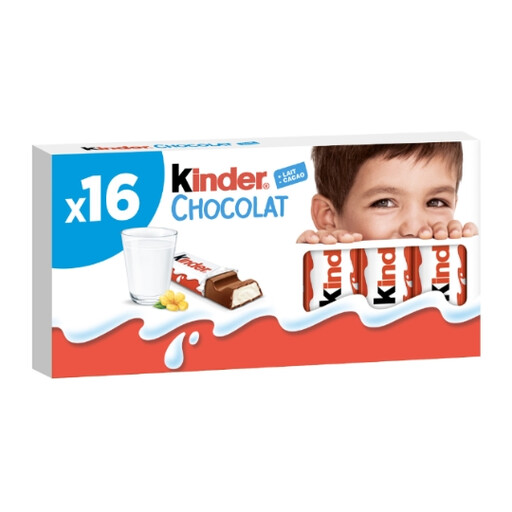 Image unavailable
This pack is a good choice if you want to count out individual units before handing them out. Check the packaging for how they’re packed, allergens and sugars per 100 g.
 Image unavailable
The pack of 11 bars makes it easy to plan for one per person. However, check that each bar is the right size for the portions you have in mind, and check the allergens listed on the pack.
 Image unavailable
These milk chocolate sweets, coated in a sugary shell, come in six separate tubes. To plan your snack, check the allergens and sugars per 100 g on the packaging.
 Image unavailable
This pack works well if an adult prepares the portions before snack time or opens the bars as needed. Each 100 g bar needs to be broken up for individual portions; check the ingredients too.
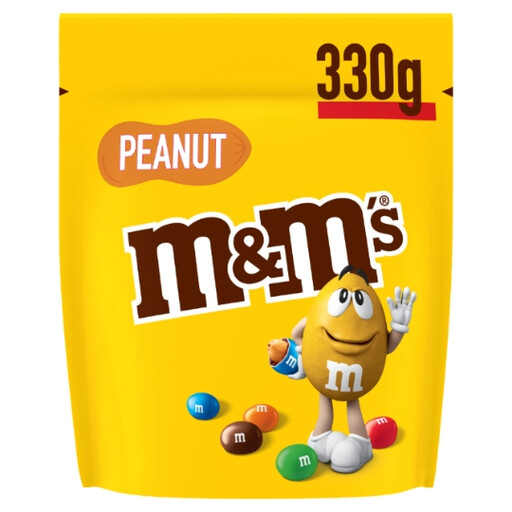 Image unavailable
This 330 g bag is designed to be served, rather than handed out as individually wrapped portions. As it contains peanuts, check that it’s suitable for the children attending and follow any relevant requirements. Also check the nutrition information on the packaging before deciding on portion sizes.
No. According to the French Ministry of the Economy, displaying it is optional. The nutrition declaration on prepacked foods does, however, show information such as sugars per 100 g.
No. The contribution described by the French Ministry of the Economy applies to sugary drinks, not solid milk chocolate. To compare chocolates, check their nutrition information instead, particularly the ‘sugars’ line per 100 g.
First check the requirements for the children attending and the ingredients of the specific product. Milk chocolate can contain other allergens too: the Côte d’Or L’Original bar sold by Carrefour contains soya and may contain tree nuts.
Check the net weight, number of units or individual bags, then compare sugars per 100 g. Next, work out how much you’ll actually serve: a heavier bag doesn’t necessarily contain portions that are already defined.