If you want to stick with a milk chocolate bar but are looking for a more pronounced cocoa flavour, check for a declared minimum cocoa content, such as the 50% shown for the Terra Etica product featured by Carrefour France. If you prefer to combine dark chocolate with milky sweetness, Lindt’s “dark & milk” bars take a different approach: according to Lindt France, the 70% and 85% figures in their names do not represent the total cocoa content of the bars, which is stated as at least 45%. Also compare the sugars per 100 g and the allergens listed for the exact recipe.
Who are these options for?
Fans of milk chocolate with more cocoa
If classic recipes taste too sweet for you, look for a bar sold as milk chocolate with a clearly stated minimum cocoa content. The Terra Etica product featured by Carrefour France is one example, with at least 50% cocoa.
Those used to dark chocolate
A bar combining dark and milk chocolate may appeal if you want to keep a milky element. Check what the percentage refers to, though: Lindt France product listings distinguish the “dark & milk” variant name from the declared cocoa content of the whole bar.
Those who check afternoon snack labels
If you start your choice by checking ingredients, sugars or allergens, compare the exact product and format. In France, the DGCCRF distinguishes the nutrition declaration, which is compulsory for most prepacked foods, from Nutri-Score, which is voluntary.
What should you check for an afternoon treat?
First decide whether you want milk chocolate with a declared cocoa content or a recipe that combines dark and milk chocolate. Then compare the labels of bars that match your preference.
Milk chocolate with more cocoa
Choose this if: you want to stick with milk chocolate, with a stated minimum cocoa percentage.
Bear in mind: a higher cocoa content alone doesn’t tell you how much sugar the bar contains or what its Nutri-Score is.
Dark and milk chocolate bar
Choose this if: you prefer a recipe combining dark and milk chocolate rather than a milk chocolate bar on its own.
Bear in mind: the percentage in the name of the dark chocolate part may differ from the declared cocoa content of the whole bar.
| Criteria |
What to check |
Who is it for? |
| Type of chocolate and cocoa |
Read the product description and check its minimum cocoa content. For a “dark & milk” bar, don’t assume the percentage in the name applies to the whole bar. |
If you like milk chocolate but want a more pronounced cocoa flavour, this distinction will help you choose between the two recipes. Around 45% of consumers put this search for a more intense cocoa flavour first when making their choice. |
| Sugars and nutritional information |
Compare the sugars per 100 g; check the Nutri-Score only if it is displayed. |
When choosing between two bars for the same afternoon treat, you may want to focus on the sugars and ingredients. Comparing labels is the main priority for around 33% of consumers. |
| Ingredients and allergens |
Check the ingredients list, highlighted allergens and any “may contain” warnings for the format you’re buying. |
If an allergy means you need to check the exact recipe, the words “milk chocolate” aren’t enough to make a decision. Around 22% of consumers prioritise checking allergens. |
Common mix-ups to avoid
-
Assuming “dark” means a specific type of milk chocolate
When searching for chocolate to buy, the term may refer either to milk chocolate with more cocoa or to a bar combining dark and milk chocolate. The labels for these recipes need to be read differently.
Start with the product description, then look for the cocoa content stated for the whole bar.
-
Assuming a mixed bar contains 70% or 85% cocoa overall
Lindt France’s product listings for the EXCELLENCE “Dark 70% & Milk” and “Dark 85% & Milk” variants also state that each bar contains at least 45% cocoa.
To compare these products with milk chocolate containing more cocoa, use the content stated in the information for the exact variant, not just its name.
-
Inferring sugar content or Nutri-Score from cocoa alone
Carrefour France’s listing for Terra Etica Milk 50% states that it contains 35.4 g of sugars per 100 g and has a Nutri-Score of E. These figures apply to this recipe, not to every milk chocolate bar with 50% cocoa.
Compare the nutritional values per 100 g of the products you’re considering. If the packaging shows a Nutri-Score, use it as an additional guide.
-
Relying on the name alone to check allergens
Ingredients and “may contain” warnings can vary from one recipe to another, including between milk chocolate bars and dark and milk variants.
If you have an allergy, check the packaging for the exact variant and format you plan to buy.
Brands to consider
Lindt
The EXCELLENCE range includes bars combining dark and milk chocolate. They’re aimed at a different preference from milk chocolate on its own with a high cocoa content.
- Lindt France features the “Dark 70% & Milk” and “Dark 85% & Milk” variants, with at least 45% cocoa declared for each bar.
- The 70% and 85% figures don’t refer to the total cocoa content of these bars. The 85% variant also contains fleur de sel.
Terra Etica
The Milk 50% bar suits anyone looking for milk chocolate with an explicitly stated minimum cocoa content.
- Carrefour France’s listing states that this milk chocolate product contains at least 50% cocoa.
- The same listing gives 35.4 g of sugars per 100 g and a Nutri-Score of E: the cocoa percentage doesn’t sum up its nutritional information.
Côte d'Or
L'Original Milk is an option if you’re looking for a classic milk chocolate bar rather than one with a confirmed cocoa threshold.
- Carrefour France’s listing includes the ingredients for this product.
- If you’re choosing it based on cocoa content, check the percentage on the packaging of the exact bar.
Marque Repère (E.Leclerc)
The range of milk chocolate bars featured by E.Leclerc gives you the chance to explore both simple recipes and varieties with added ingredients.
- The selection includes milk chocolate bars as well as hazelnut, caramel and crispy rice varieties.
- To choose by cocoa intensity, check the content stated for the specific product rather than assuming it applies to the whole range.
Classic milk chocolate on Joybuy
These four products are classic milk chocolate options for an afternoon treat, with a range of formats and recipes. If a high cocoa content is your deciding factor, check the percentage on the packaging of the product you’ve chosen before you buy.
 Image unavailable
Toblerone Milk, 3 × 50 g
This pack of three milk chocolate bars is handy if you want to split your afternoon treat into 50 g portions. The stated recipe includes 3% honey and 1.6% almonds; the product information gives 60 g of sugars per 100 g. It contains milk, almonds, soya and egg white. Check the packaging for any “may contain” warnings, too.
View on Joybuy
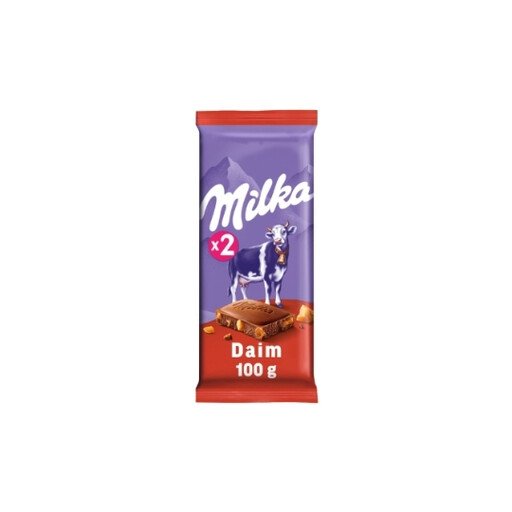 Image unavailable
MILKA Milk Chocolate Bar I737, 2 × 100 g
These two milk chocolate bars are a good fit if you prefer 100 g portions for your afternoon treat. The product information states 58.5 g of sugars per 100 g and lists milk, hazelnuts and soya, as well as possible traces of other nuts and wheat. If any of these ingredients are a concern, check the label on the product you buy.
View on Joybuy
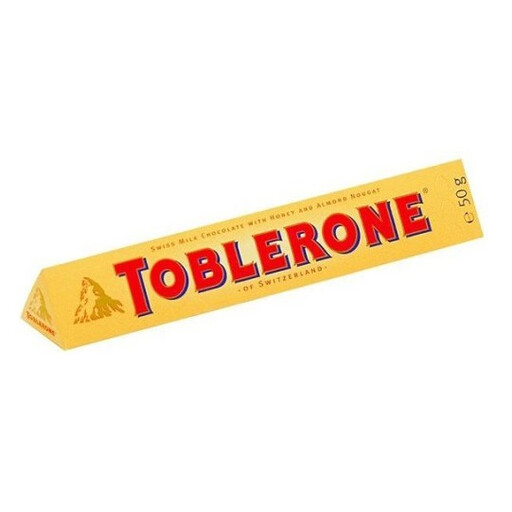 Image unavailable
Toblerone Milk, 50 g
This single milk chocolate bar comes in a 50 g format. The stated recipe includes 3% honey and 1.6% almonds, with 60 g of sugars per 100 g. It contains milk, almonds, soya and egg white; check the packaging for allergens and any “may contain” warnings.
View on Joybuy
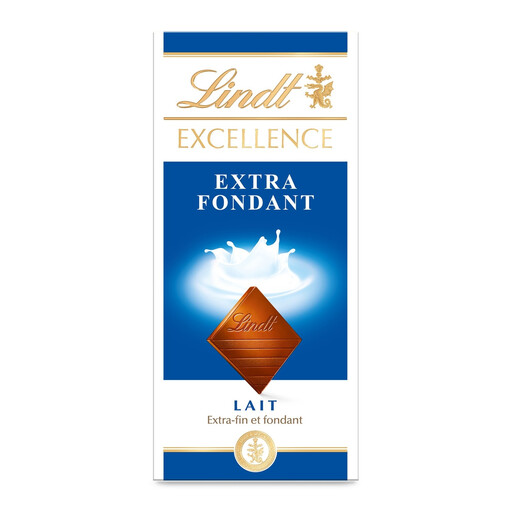 Image unavailable
LINDT Excellence Extra Creamy Milk, 100 g
This 100 g milk chocolate bar is for anyone looking for the Extra Creamy milk chocolate recipe, rather than one of the EXCELLENCE “dark & milk” varieties. The product information states 50 g of sugars per 100 g and lists milk, lactose, gluten-containing barley and soya. If you have an allergy, check the ingredients list on the exact bar.
View on Joybuy
Frequently asked questions
Is Nutri-Score compulsory on chocolate bars in France?
No. According to Santé publique France and the DGCCRF, displaying it is voluntary; it complements the nutrition declaration, which is compulsory for most prepacked foods. To compare two bars, check their sugar content per 100 g, whether or not Nutri-Score is shown.
Does a “dark 70% & milk” bar contain 70% cocoa overall?
Not necessarily: Lindt France states that its EXCELLENCE Dark 70% & Milk bar contains at least 45% cocoa. “70%” appears in the name of the dark chocolate component; check the cocoa content stated for the whole bar before comparing it with a milk chocolate bar.
Which allergens should you check in chocolate for an afternoon treat?
Check the allergens and any “may contain” warnings for the exact recipe, rather than relying on the word “milk”. Lindt France’s listing for the Dark 70% & Milk bar mentions milk, lactose, soya and barley, as well as the possible presence of nuts. Another variant may have a different composition.
Does more cocoa mean less sugar or a different Nutri-Score?
The cocoa percentage alone doesn’t tell you what the other nutritional values will be. Carrefour France’s listing for Terra Etica Milk 50% states that it contains at least 50% cocoa, has 35.4 g of sugars per 100 g and carries a Nutri-Score of E. Compare the labels of the recipes you’re interested in on the same per-100 g basis.


