Hosts who want to serve chocolate without any prep
A bag of bite-sized treats or individually wrapped portions lets guests help themselves, without having to break up a bar or prepare a dessert.


To serve milk chocolate at Epiphany without having to break it up, choose a bag of bite-sized treats or a pack of easy-to-hand-out portions. Bars are a good option if you’re happy to divide them between your guests. Whichever you choose, check the ingredients and allergens on the specific product before putting it on the table.
A bag of bite-sized treats or individually wrapped portions lets guests help themselves, without having to break up a bar or prepare a dessert.
Before choosing a large pack, they compare the ingredients, allergens and nutritional information per 100 g for each recipe.
If you’re adding milk chocolate to a recipe, chocolate chips or a bar are better suited to the job than a bag of ready-to-serve treats.
First, choose a format that suits how you plan to serve it. Then compare recipes on a like-for-like basis and check the labelling for your guests.
| Criteria | What to check | Who is this for? |
|---|---|---|
| Ease of serving | The product format, net weight and number of pieces or portions. | If I’m having people over and don’t want to break up a bar, I want bite-sized treats guests can take straight from the pack or individual portions to hand out. Around 33% of consumers would prioritise ease of serving. |
| Recipe and texture | Whether the name and ingredients mention a filling, praline or wafer. | If I’m planning a tasting rather than making a recipe, I’ll choose between melt-in-the-mouth treats, praline and biscuit chocolate, depending on the texture I’m after. Around 27% of consumers would put this preference first. |
| Nutritional information | Sugars and saturated fatty acids per 100 g, comparing like-for-like products. | When I’m choosing between two recipes, I want to compare their nutritional information on the same basis, without confusing portion size with ingredients. Around 20% of consumers would put this comparison first. |
| Ingredients and allergens | The ingredients list and any ‘may contain’ warnings on the specific pack. | If any guests have dietary restrictions, I need to know whether the recipe is suitable before serving it. Around 20% of consumers would put checking ingredients and allergens first. |
According to Santé publique France, Nutri-Score is voluntary and complements the mandatory nutrition declaration. If it appears on the packaging, it can help you compare products in the same category, but it doesn’t replace the per-100 g nutritional information or a check of the allergens.
A pack of chocolate-coated wafers, bars and chocolate chips aren’t all served in the same way. Milka describes Choco Supreme as wafers, while Nestlé Dessert chocolate chips are intended for baking.
Check the product name and packaging: are they ready-to-eat bites, individually wrapped portions, chocolate to break up or an ingredient for cooking?
Santé publique France explains that displaying Nutri-Score is voluntary. A score, if shown, doesn’t tell you everything about allergens or whether the recipe is right for the occasion.
Compare the per-100 g information for products in the same category, then read the ingredients and allergen warnings.
Recipes vary: Côte d’Or praline bites contain hazelnuts and almonds, among other ingredients, while Milka Choco Supreme wafers contain wheat, milk and soya, according to Carrefour France.
Check the label on the specific pack before serving. If a guest has an allergy, only choose a product whose labelling meets their needs.
Lindt France describes LINDOR Milk 1 kg as a large bag of bite-sized chocolates to give as a gift or share.
Milka describes Choco Supreme 300 g as wafers coated in milk chocolate.
Carrefour France describes Côte d’Or milk chocolate praline bites in a box of eight bags, listed as 200 g.
The Nestlé Dessert milk chocolate chips listed by Carrefour France are intended for recipes, including cookies and muffins.
These options include a bag of confectionery, individually wrapped tubes and multipacks of bars to hand out at Epiphany. The right choice depends on how you want to serve the chocolate, not just on the weight of the pack.
 Image unavailable
Ideal for handing out several small portions instead of putting one large bag on the table. The pack contains six tubes of milk chocolate confectionery coated in a sugary shell, weighing 204 g in total. Check the allergen information on the specific pack before serving.
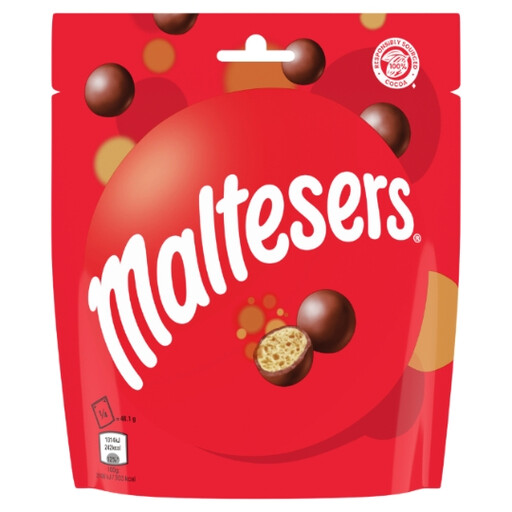 Image unavailable
A bag of bite-sized treats to pour into a bowl and share, with a honeycomb centre. Check the net weight on the pack: the title says 192.5 g, while the description says 192 g. The recipe lists milk, soya and wheat.
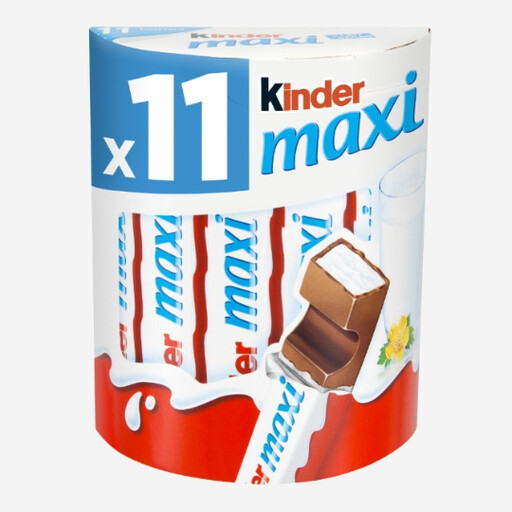 Image unavailable
Eleven bars to share among your guests if you’d rather count out portions than serve loose bite-sized treats. This 231 g multipack isn’t a bag of bites. Check the labelling for milk and soya.
 Image unavailable
Three milk chocolate bars to share or break up for serving, rather than a bag of bite-sized treats. If each guest needs an individually wrapped portion, check how the multipack is packaged. The ingredients include almonds, milk, soya and egg white.
 Image unavailable
A multipack of milk chocolate bars to share if you’re happy to serve larger portions or break them up. The title says there are three bars of 100 g each. If these details matter for serving, check the net weight and packaging on the pack.
No. The French Ministry of the Economy describes this levy as applying to sugary drinks, not bags or bars of milk chocolate.
No. Santé publique France explains that displaying it is voluntary, unlike the mandatory nutrition declaration. If it’s shown, compare products in the same category and check the per-100 g information too.
Follow the instructions on the pack and reseal the bag as directed by the manufacturer. Before buying a large quantity, make sure you can store it as instructed once it’s opened.