For a set number of people, choose a milk chocolate format with pieces that are easy to count, such as mini bars or individual chocolates. For a self-service sharing point, a bag of bite-sized chocolates may be more suitable. Check the net weight, ingredients, allergens and any warnings for the product you choose. Nutritional information per 100 g makes it easier to compare recipes; if the packaging displays a Nutri-Score, treat it as additional information.
Who are these formats for?
Organisers who need to count portions
If you’re handing out the chocolate rather than letting everyone help themselves, the number of pieces shown on the pack can help you plan how to share it out. Carrefour’s product pages describe Milka Mini Milk Chocolate Bars as a bag of 8 bars and Côte d’Or Milk Mignonnettes as a box of 24 pieces.
Shoppers comparing quantities
When serving a group, the apparent size of the pack isn’t enough. Compare its net weight with the number of people and how you plan to serve it. A self-service bag of bite-sized chocolates won’t be portioned in the same way as a box of pieces to hand out.
People who pay close attention to ingredients
If several people need to check the ingredients, keep the packaging within reach while you’re serving. The DGCCRF says that allergenic ingredients must be highlighted in the ingredients list. Also check any information specific to the product you’ve chosen.
What should you check before choosing?
First decide whether you’ll hand out the chocolate piece by piece or offer it for everyone to help themselves. Then compare the packaging and labels of products suited to that way of sharing.
| Criteria |
What to check |
Who is this for? |
| Sharing out portions |
Number of pieces, net weight and individual wrapping, if needed. |
If I need to give one piece to each person, I want to be able to count the pieces without splitting up the contents on the spot. Around 31% of consumers put ease of sharing at the top of their list. |
| Quantity available |
Net weight and whether the quantity is suitable for the number of people expected. |
For a table where everyone helps themselves, I’m mainly looking for a quantity that suits the group, rather than judging by the bag’s apparent size. This is the main consideration for around 23% of consumers. |
| Nutritional information |
Nutritional values per 100 g, particularly sugars, and the amount actually served. |
If I’m comparing several recipes, I want to read their nutritional information on the same basis, rather than comparing different portion sizes. Around 31% of consumers prioritise this comparison. |
| Ingredients and who it’s for |
Ingredients, highlighted allergens, ‘may contain’ statements and any product-specific warnings. |
Before I let the group help themselves to confectionery, I need to know what’s in it and what precautions are listed on the pack. Around 15% of consumers put this check first. |
What mistakes should you avoid?
-
Ruling out chocolate because it doesn’t display a Nutri-Score
According to Santé publique France, displaying a Nutri-Score is voluntary. Its absence doesn’t tell you what the product contains.
Compare the nutritional values per 100 g and read the ingredients. Use the Nutri-Score as additional information when it’s shown.
-
Choosing based on the pack’s apparent size
A large pack doesn’t, by itself, tell you how much chocolate it contains or how many pieces you can hand out.
Check the net weight and number of pieces, then choose a format that suits the way you plan to serve the group.
-
Assuming every recipe contains the same ingredients
Crispy balls, bars and bites with added inclusions won’t necessarily have the same ingredients list. When sharing with a group, the words ‘milk chocolate’ don’t replace checking the label.
Check the highlighted allergens and any ‘may contain’ statements on each product you buy, especially if they’re relevant to anyone in the group.
-
Ignoring warnings about small confectionery
Carrefour’s KitKat Ball product page includes a warning about the risk of choking for children under 4. This warning applies to the product described, not to every chocolate product intended for sharing.
Check the warnings on the product you choose and serve it in a way that’s suitable for the ages of the people taking part.
Which brands should you consider for these formats?
These products show different ways to share milk chocolate. The features of one product don’t necessarily apply to every product from the same brand.
Milka
Carrefour’s Milka Mini Milk Chocolate Bars come in a bag of 8 bars weighing 200 g: a useful number of pieces for organising a handout.
- You can count the bars before serving.
- If individual wrapping is essential, check the exact pack. Also check its ingredients and allergens.
Côte d’Or
The Côte d’Or Milk Mignonnettes described by Carrefour come in a box of 24 pieces weighing 240 g. It’s worth considering if the number of pieces is important when sharing.
- The number of mignonnettes is given for this product.
- The number of pieces alone won’t tell you whether they’re packaged in a way that suits your plans. Check the box.
Lindt
Carrefour’s Lindt Crispy milk chocolate balls come in a 140 g bag. They’re suited to self-service rather than handing out a set number of pieces.
- The ball format makes it easy for people to take a bite-sized treat.
- For this crispy recipe, check the ingredients list and allergens on the exact pack.
Nestlé (KitKat)
The 250 g KitKat Ball bag described by Carrefour combines milk chocolate and crispy cereal in a format made for sharing.
- The bag is suited to a self-service sharing point.
- This product’s listing includes a warning for children under 4. Also check the ingredients and allergens on the pack you’re serving.
Formats to explore on Joybuy
This selection brings together bars to share out individually, tubes of milk chocolate confectionery and bite-sized treats to offer for self-service. Choose based on how you plan to share them, then check the packaging of the product you select.
 Image unavailable
Milka Alpine Milk, 3 x 100 g bars
The pack of three bars is a good choice if you want separate pieces to share out. If each bar needs to be handed out separately, check how they’re packaged, and check the allergens for anyone they may affect.
View on Joybuy
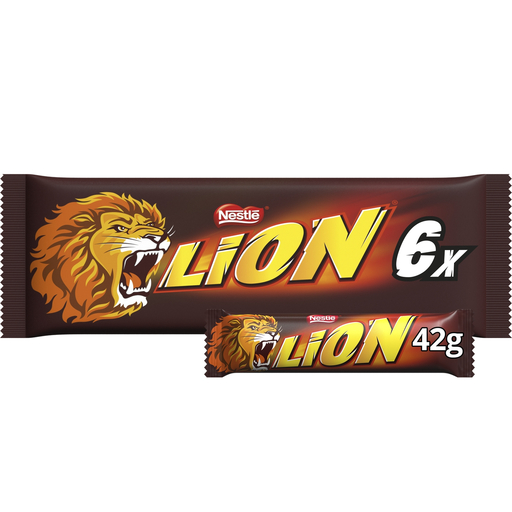 Image unavailable
Lion, 6 x 42 g bars
Six bars are easy to count before handing them out. If you need to give out individually wrapped bars, confirm this on the pack and check the ingredients list.
View on Joybuy
 Image unavailable
Smarties Hexatube, 6 x 34 g tubes
The six tubes are easy to identify if you want to share out the confectionery in small portions. To compare the recipe with other products, check the nutritional values per 100 g and the allergens on the packaging.
View on Joybuy
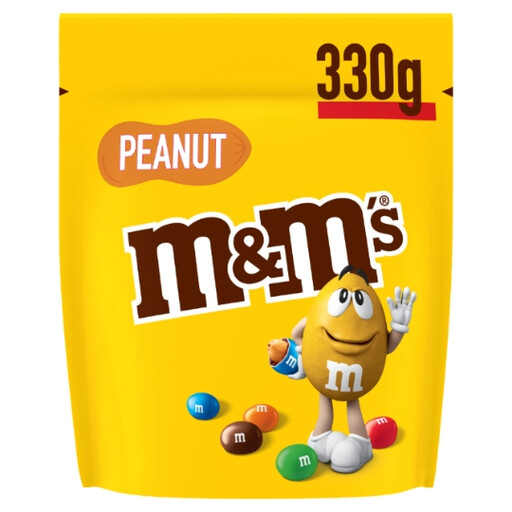 Image unavailable
M&M'S Peanut, peanuts coated in milk chocolate, 330 g
This pack could be offered for self-service rather than used to hand out a set number of pieces. The peanuts are an important consideration for the group. Check the label before comparing nutritional information, too.
View on Joybuy
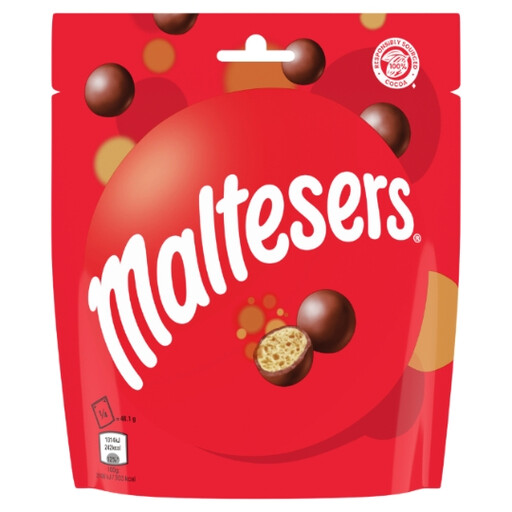 Image unavailable
Maltesers, crispy milk chocolate bites
This bag is suited to self-service sharing, with no set number of pieces to hand out. Check the net weight on the packaging: the available information varies between 192 g and 192.5 g. Also check the ingredients for anyone they may affect.
View on Joybuy
Frequently asked questions
Is a Nutri-Score compulsory on milk chocolate sold in France?
No. Santé publique France says that producers can choose whether to display a Nutri-Score. To compare pre-packed chocolate, check the nutritional information per 100 g, particularly the sugars line, even if no Nutri-Score is shown.
Does the ‘sugar tax’ apply to solid milk chocolate?
Not under the measure discussed here: Article 1613 ter of the French General Tax Code, published on Légifrance, covers drinks and liquid preparations for drinks. The sugar content of solid chocolate is still worth checking in its nutritional table, but it shouldn’t be confused with this levy.
What should you check on a bag before offering it to a group?
Start with the net weight, ingredients list, allergens and any product-specific warnings. The DGCCRF says that allergens must be highlighted in the ingredients list. Keeping the packaging within reach lets everyone check this information for themselves.
Are small chocolate balls automatically suitable for young children?
No. Carrefour’s KitKat Ball product page warns of a choking risk from small confectionery for children under 4. Read the warnings for the product you plan to serve, and choose a suitable format and way of serving it for the ages of the people taking part.


