Anyone hosting an informal snack
You want to put milk chocolate on the table for everyone to enjoy. A cone of bite-sized chocolates or a large bag could work, as long as the net weight is right for your group.


For a group snack, first think about how you want to serve the chocolate: a bag of bite-sized pieces is easy to put on the table, while individually wrapped portions can be handed out without breaking up a bar. The biggest pack isn’t necessarily the best choice: check the net weight for your group, then compare the nutrition information per 100 g and the allergens listed for the exact product.
You want to put milk chocolate on the table for everyone to enjoy. A cone of bite-sized chocolates or a large bag could work, as long as the net weight is right for your group.
You want to check the sugars, fat and energy content without relying on pack size. For prepacked foods, nutrition declarations allow you to compare products per 100 g; the DGCCRF notes that Nutri-Score is voluntary.
Before sharing, check the ingredients and any precautionary allergen statements for the exact product. Product information for Lindt, Côte d’Or, KITKAT and Carrefour lists different allergens depending on the recipe.
For a shared snack, start with how you plan to serve it and how many people you’re catering for, then check the ingredients of each product you’re considering.
| What to consider | What to check | Who is this for? |
|---|---|---|
| Format and quantity | Compare the net weight with the number of people, and check whether the product comes as bite-sized pieces, individually wrapped portions or bars. | If I want to serve several people without breaking up a bar, the presentation matters just as much as the quantity. Around 40% of consumers prioritise ease of serving. |
| Nutrition information | Compare the sugars, fat and saturated fatty acids per 100 g in particular; check the Nutri-Score if one is displayed. | When choosing between two packs of different sizes, I prefer to compare their values on the same basis. Around 30% of consumers put nutrition comparisons first. |
| Ingredients and allergens | Read the ingredients list, highlighted allergens and precautionary allergen statements for the variant you’re buying. | If someone in the group needs to avoid an ingredient, I check the recipe before serving the pack. Around 30% of consumers prioritise this compatibility. |
According to the DGCCRF, Nutri-Score is voluntary in France. Its absence doesn’t mean you can skip the nutrition information, nor is it enough on its own to judge a product.
To compare two milk chocolates, use their nutrition declarations per 100 g.
A product page for a large bag may describe a format that’s handy for sharing, but that particular product might not be available when you shop.
Check the variant, its net weight and its availability before working out how much you’ll need for your snack.
Depending on the recipe, products from Lindt, Carrefour or E.Leclerc may also contain soya, wheat or various nuts.
Check the ingredients and precautionary allergen statements on the exact pack, even if you already know the brand.
The French levy described by Légifrance applies to non-alcoholic drinks, not a bag of solid chocolate.
Use the sugar content as useful nutritional information when comparing products, not as a tax requirement specific to this bag.
Lindt describes its LINDOR Milk Chocolate Cornet as a sharing format; 200 g and 337 g products are listed in its range.
According to Carrefour’s product page, a box of Côte d’Or milk chocolate squares contains 24 individually wrapped chocolates and weighs 240 g.
Carrefour’s product page describes a 250 g bag of KITKAT milk chocolate balls, with a suggested serving of 10 balls.
A 500 g bag of Carrefour milk chocolate is an example of a large format to consider for a group.
A Carrefour product page describes a 126 g bag of Milka milk chocolate assortment, which is different from a large sharing bag.
E.Leclerc offers a 200 g P’TIT DELI bag of milk chocolates with an Easter theme.
This selection includes bags of milk chocolate confectionery, tubes to hand out and multipacks of bars. Choose according to how you want to serve your group: bars aren’t a direct substitute for a bag of bite-sized pieces.
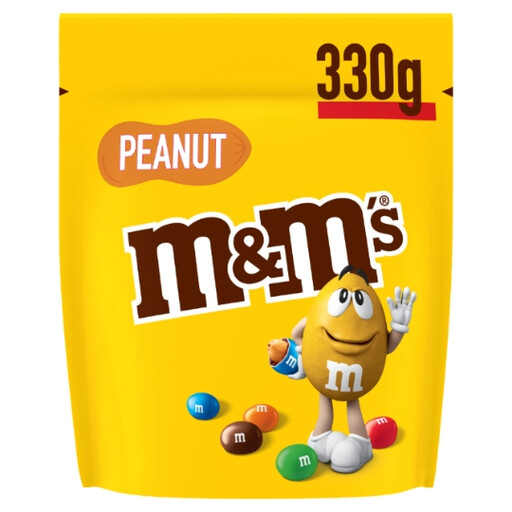 Image unavailable
A bag of confectionery to put out for a group snack. If anyone in your group has a problem with peanuts or other nuts, check the allergens on the pack before serving.
 Image unavailable
A bag to consider if you’d like to offer bites with a crunchy centre. Product information gives different weights for this variant, so check the net quantity on the pack, as well as the allergens if anyone in your group has dietary requirements.
 Image unavailable
The pack of 11 bars is a good option if you’d rather hand out individual bars than put out a bag of bite-sized pieces. Check whether the bars are individually wrapped if that matters to you, and check the allergens for the variant you’re buying.
 Image unavailable
The six tubes give you individual portions to hand out at snack time, with 204 g in total. Check the pack for the variant on offer to compare its nutrition values per 100 g and check the allergens.
 Image unavailable
This pack of three bars is an option if breaking them into pieces works for the way you plan to serve your group; it isn’t a bag of bite-sized chocolates. Check the ingredients and precautionary allergen statements on the exact pack before sharing.
No, not to a bag of solid chocolate: the levy described by Légifrance applies to non-alcoholic drinks. When choosing your chocolate, check the sugars in the nutrition declaration rather than associating them with this tax.
No. The DGCCRF says that Nutri-Score is voluntary; a nutrition declaration is normally compulsory for prepacked foods, subject to applicable exemptions. To compare two products, look in particular at their values per 100 g.
Read the highlighted allergens in the ingredients list and any precautionary allergen statements on the exact product’s packaging. Another recipe or format from the same brand may have different information.
Serve an amount that’s right for your group, then follow the storage instructions and date printed on the pack you’ve bought. Before resealing and storing the rest, check the manufacturer’s guidance.