What should you check before choosing?
First, decide how you’ll serve the chocolate: ready to hand out, poured into a bowl or broken into pieces. Then check the recipe for the product you’ve chosen, followed by its availability for your order.
| What to consider |
What to check |
Best for which shoppers? |
| Serving and portions |
Number of pieces and type of packaging: individually portioned, a bag to pour out or a bar to break up. |
When I’m serving several guests, I want to know whether I can put the chocolate straight on the table or need to prepare it first. Around 40% of shoppers put ease of serving first. |
| Ingredients and allergens |
Sugars per 100 g in the nutrition declaration; ingredients and allergens for the exact product. |
If the ingredients or my guests’ dietary requirements guide my choice, I need to be able to check the product before serving it. This is the top priority for around 30% of shoppers. |
| Recipe and presentation |
Product type — milk chocolate, praline or chocolate-coated confectionery — and stated texture. |
For this occasion, I might be looking for a particular recipe or presentation rather than prioritising portioning. Around 20% of shoppers put this first. |
| Local availability |
Whether the product is available at your chosen store, for collection or in your delivery area. |
If I’m preparing for an upcoming gathering, I mainly need a product I can order through my usual channel. Around 10% of shoppers make availability their priority. |
Brands to consider by format
These product examples illustrate different ways to serve chocolate; they don’t describe every product from each brand.
Milka
Carrefour lists a bag of 20 milk chocolate mini bars, with a stated weight of 200 g.
- Mini bars make it easy to count out portions.
- For this product, check the information about milk, soya and possible traces of nuts.
Lindt
Carrefour describes a 140 g bag of Crispy milk chocolate balls and, separately, a pack of three 100 g L’Authentique bars.
- The balls can be poured into a bowl; the bars need to be broken up before serving.
- The Crispy recipe described includes barley, among other ingredients, so check the allergens for the product you choose.
Côte d’Or
Carrefour lists a box of 8 bags of praline bites weighing 200 g, as well as a 200 g L’Original bar.
- The bags of bites mean you don’t have to break up a bar before serving.
- The praline recipe described contains hazelnuts and almonds; check the other allergen information too.
Nestlé Dessert
Carrefour describes a 100 g bag of milk chocolate chips, intended for recipes such as cookies or muffins.
- This format can be used in a homemade treat prepared for the occasion.
- Chocolate chips for baking aren’t a substitute for ready-to-serve bites or mini bars.
Chocolate to share on Joybuy
These products include a bag to pour out, multipacks of bars to share, a confectionery product in several bars and a bar that can be broken into pieces. They differ in how they’re served and in their recipes, so check the exact product before comparing its ingredients.
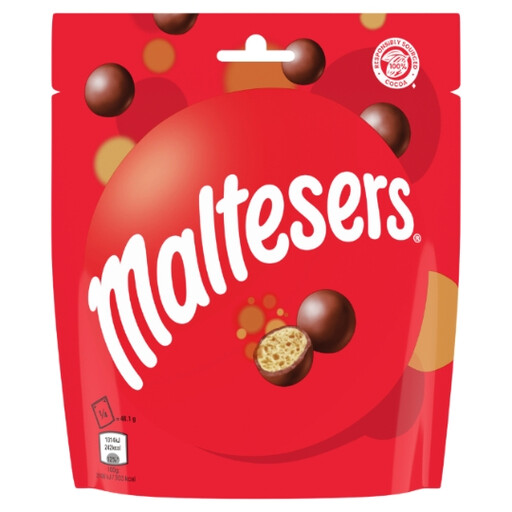 Image unavailable
Maltesers, bag of milk chocolates with a honeycomb centre
Worth considering if you’d rather pour the contents into a bowl than break up a bar. The product information gives 53 g of sugars per 100 g and lists milk, soya, wheat and barley among the ingredients. The title and description give slightly different weights, so check the net weight of the product you order.
View on Joybuy
 Image unavailable
Milka Alpine Milk, 3 bars of 100 g
This pack is suited to a table where you can break up and serve the chocolate; the pieces aren’t ready to hand out. The product information gives 58.5 g of sugars per 100 g and lists milk, hazelnuts and soya. Check the allergens on the packaging for the exact product.
View on Joybuy
 Image unavailable
Toblerone Milk, 3 bars of 50 g
The three bars make up a 150 g pack to open and share out. The product information gives 60 g of sugars per 100 g and lists milk, almonds and egg white, among other ingredients. Check the packaging if any guests need to avoid particular ingredients.
View on Joybuy
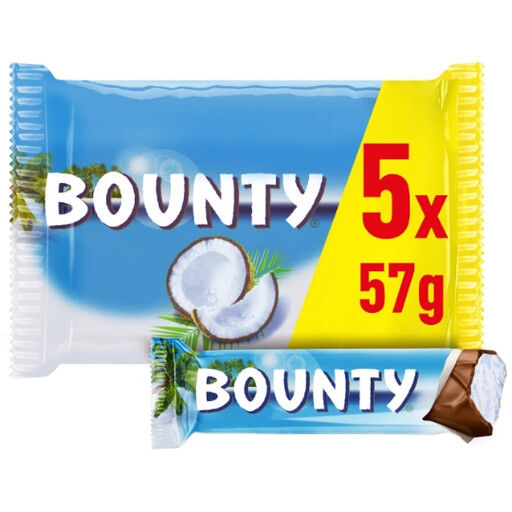 Image unavailable
Bounty, 5 coconut bars coated in milk chocolate
This pack of five confectionery bars can be shared between several people, but it isn’t a plain milk chocolate bar. The product information gives 48 g of sugars per 100 g and lists coconut, milk and soya, among other ingredients. The title and description differ on the weight of the bars, so confirm the net quantity before ordering.
View on Joybuy
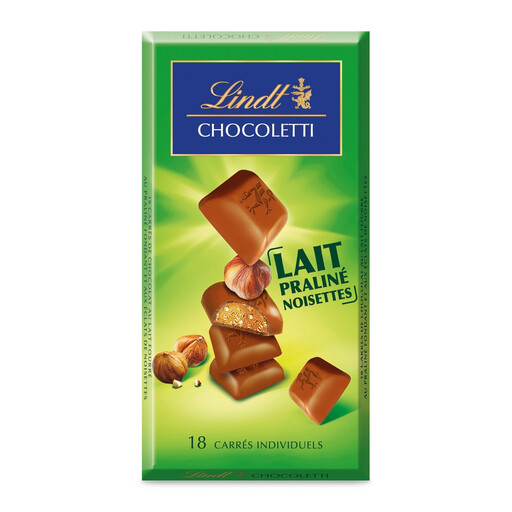 Image unavailable
Lindt Chocoletti, 100 g praline bar
You can break off squares to serve, but the bar needs to be opened and shared out, so it’s not a substitute for a bag of individually portioned chocolates. The product information gives 48 g of sugars per 100 g and lists hazelnuts, almonds, milk, soya and barley among the ingredients and allergens to check.
View on Joybuy
Frequently asked questions
Does a bag of milk chocolate come under the “soda tax”?
No, this French levy doesn’t apply to solid chocolate. The legislation published by Légifrance and the Official Bulletin of Public Finances covers drinks or liquid preparations for drinks, so it doesn’t determine whether you should choose a bar or a bag of chocolate.
Does the bag have to display Nutri-Score?
No. The DGCCRF says Nutri-Score is voluntary in France, while nutrition declarations are generally compulsory for prepacked foods. To compare two chocolates, check their sugar content per 100 g and their ingredients lists in particular.
What should you check if your guests have dietary requirements?
Check the ingredients, highlighted allergens and any “may contain” statements on the packaging for the exact product. The recipes featured here vary: some contain nuts, barley or wheat as well as milk.
How do you choose a format that needs no preparation?
Look for pieces that are already separated and check whether they’re individually wrapped. A bag of chocolate balls can be served in a bowl, while a bar or multipack of bars needs to be opened and shared out before guests can help themselves.
How can you check that chocolate will be available for your occasion?
Choose your store, collection option or delivery area, then check the product when you’re finalising your basket. Collection and delivery options depend on your area and how you place your order, as E.Leclerc DRIVE points out.


