Parents preparing a lunchbox
If you’re planning to add milk chocolate, start with the amount you’ll actually pack rather than the weight of the packet. Also consider how to store the rest once it’s opened.


For a school lunchbox, a bar that’s already divided into portions or a small pack lets you choose how much to take. A gift box is better suited to giving or sharing. Before adding milk chocolate, check the allergens for the specific product and the school’s rules, then compare nutritional information on the same basis, particularly per 100 g.
If you’re planning to add milk chocolate, start with the amount you’ll actually pack rather than the weight of the packet. Also consider how to store the rest once it’s opened.
Check the ingredients list and any ‘may contain’ warnings for each product. As well as milk, other ingredients or traces may need to be considered, depending on your child’s needs.
A gift box or bag may suit this purpose, which is different from preparing an amount for school. For an assortment, check each recipe rather than assuming they all have the same ingredients.
Start by checking that the product is suitable for your child and complies with the school’s rules, then decide how much to pack. Nutritional values can then help you compare products in the same category.
| Criteria | What to check | Who is it for? |
|---|---|---|
| Allergens and school rules | Ingredients, highlighted allergens and ‘may contain’ warnings; the rules that apply at the school. | If an ingredient needs to be avoided or the school has rules about food brought in, suitability comes before the choice of format. Around 40% of consumers would put this first. |
| Quantity and packaging | The weight of the item you’re packing and whether you can separate some from the rest of the packet. | If you want to pack a pre-decided amount in the lunchbox, distinguish between an individual item, a stated portion and the whole packet. Around 30% of consumers would consider this a priority. |
| Nutritional information | Sugars and saturated fat per 100 g, followed by the amount actually packed. | When several recipes are already suitable for your child, comparing their values on the same basis can help you decide. Around 30% of consumers would make this their first criterion. |
The DGCCRF states that the nutrition declaration for relevant prepacked foods is given per 100 g, among other measures. Nutri-Score, when shown on the packaging, is voluntary. It does not replace the ingredients list or the decision about how much to pack.
A gift box is designed to hold several chocolates; it doesn’t define how much to put in a lunchbox. A bar or multipack also needs to be portioned if you’re only taking some of it.
Decide how much to pack before you leave and store the rest according to the product instructions.
Two recipes from the same brand may have different ingredients and ‘may contain’ warnings. The word ‘milk’ in the name doesn’t tell you about other allergens.
Read the label on the product you’ve bought, including for each chocolate in an assortment.
According to the DGCCRF, displaying Nutri-Score is voluntary. Whether it appears or not, it won’t answer questions about quantity, allergens or school rules.
Compare nutritional information per 100 g across similar products, then relate it to the amount planned for the lunchbox.
The contribution described by Légifrance for France applies to drinks and liquid preparations for drinks. It is not a useful indicator when choosing a solid chocolate bar or gift box.
To compare these products, look instead at their ingredients, nutritional values and packaging.
These examples help you distinguish between specific products and product categories. Always check the ingredients on the packaging you choose.
The 100 g Alpine Milk bar is an example of milk chocolate that you can divide into portions before preparing a lunchbox.
The brand offers bars and formats designed for sharing, among other products. Check the recipe in question rather than relying on the Lindt name alone.
The Chocapic bar is an example of a portable format, but it’s a chocolate-flavoured milk cereal bar, not a milk chocolate bar or gift box.
These bars, cereal bars and milk chocolate sweets let you decide in advance what to pack. The weight of a bar, cereal bar or tube doesn’t, on its own, determine the right amount for your child. Check the recipe and the school’s rules too.
 Image unavailable
The three individually wrapped bars make it easy to prepare a lunchbox without opening the whole pack. Break off part of a bar if you want to pack less than 50 g. Check the ingredients and the school’s rules before choosing this product.
 Image unavailable
This pack of three bars is handy if you’re preparing an amount from a 100 g bar before you leave. The Joybuy listing mentions milk, hazelnuts and soya, as well as possible traces of other tree nuts and wheat. Check the packaging of the product you’ve bought.
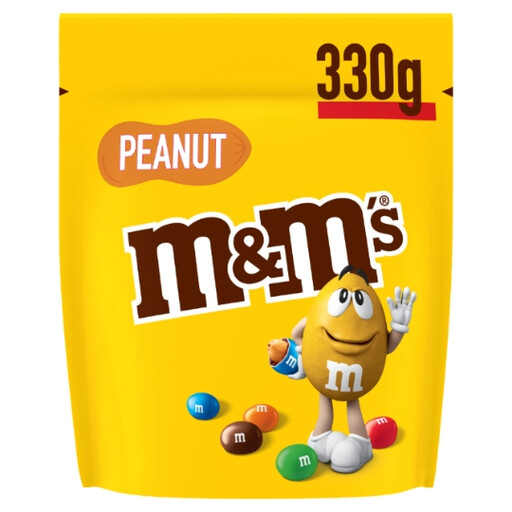 Image unavailable
These peanuts coated in milk chocolate are different from a bar, so you’ll need to separate out the amount planned for the lunchbox. As they contain peanuts, they aren’t suitable if peanuts need to be avoided. Check for other allergens and the school’s rules too. To compare the amount you’re packing, refer to the nutritional values on the packaging.
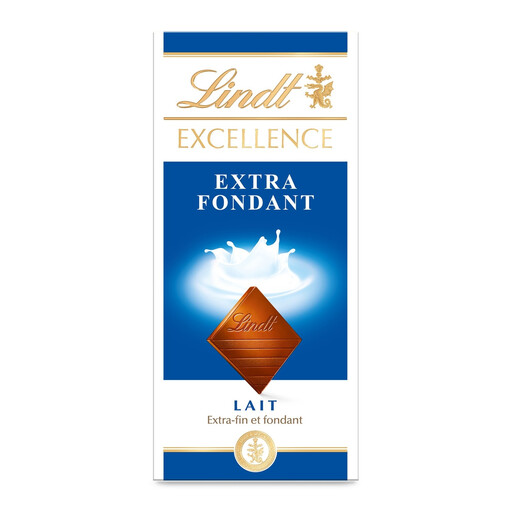 Image unavailable
You can divide this bar into portions before you leave if you want to choose how much to pack. The Joybuy listing for this product mentions milk, lactose, barley and soya. Check its label and the school’s rules. Don’t apply the nutritional values for Lindt’s L’Authentique Lait bar to this product, as it’s a different recipe.
 Image unavailable
The six tubes make it easy to pack a separate portion, but 34 g won’t necessarily be the right amount for every child. Before adding one to the lunchbox, check the packaging for allergens, including milk, wheat and barley. Check the nutritional values too if you’re comparing sugar content.
No. According to the DGCCRF, displaying Nutri-Score is voluntary. However, most prepacked foods must have a nutrition declaration. The values per 100 g make it possible to compare products on the same basis.
No, not for these solid chocolate products. The French contribution described by Légifrance applies to drinks and liquid preparations for drinks. When choosing chocolate, look instead at the nutritional information, ingredients and amount you plan to pack.
Read the ingredients, highlighted allergens and ‘may contain’ warnings on the exact product packaging. Milk chocolate contains milk; other allergens vary by recipe. If your child follows an allergy management plan, follow that plan and the school’s rules rather than relying on the brand name alone.
A gift box is better suited to giving or sharing; it doesn’t determine how much to pack. If you take chocolates from it for a lunchbox, decide on the amount in advance, check the recipe for each piece and follow the storage instructions and the school’s rules.