What should you check before buying?
First decide whether you’ll take one portion with you or share the pack, then compare the ingredients for the amount you plan to eat.
| What to consider |
What to check |
Who is it for? |
| Portion to take with you |
Number of pieces, weight per portion and individual packaging. |
When I pack a piece in my lunch box, I want to know its weight without taking the whole pack; around 36% of consumers would put this portable portion at the top of their list of needs. |
| Sharing |
Number of portions, total weight and how much you plan to hand out. |
When the pack is for several people or several breaks, I want to be able to share it out; this would be the main priority for around 29% of consumers. |
| Nutritional information |
Sugars and fat per 100 g, then the amount in your intended portion. |
When comparing two recipes, I want to relate their nutritional values to what I’ll actually eat; around 21% of consumers would make this their priority. |
| Ingredients and tolerance |
Ingredients, declared allergens and when you plan to eat it. |
Before a workout, I want to identify any ingredients that don’t agree with me and take my usual tolerance into account; around 14% of consumers would prioritise this. |
Pack sizes show why weight matters just as much as the number of pieces: Carrefour lists a pack of 10 bars at 21 g each, while Milka mini bars are sold in packs of eight in a 200 g bag, according to Carrefour’s product listings. When comparing recipes, the nutrition declaration is the reference to check for prepacked foods; the European Commission states that it is compulsory for the vast majority of these products.
Formats available on Joybuy
These products include milk chocolate bars in multipacks, as well as two confectionery or cereal bar options that are different from milk chocolate bars. Compare the weight per portion and ingredients depending on whether you’re preparing a lunch box or sharing.
 Image unavailable
Toblerone Milk, 3 × 50 g
The three bars are listed as individually wrapped, so you can pack one in your bag or share them out. The product listing gives 60 g of sugars and 28 g of fat per 100 g. Bear in mind that each bar weighs 50 g when deciding how much to have. The ingredients listed include milk, almonds, soya and egg white; check the pack label.
View on Joybuy
 Image unavailable
MILKA Alpine Milk, 3 × 100 g
The three separately wrapped bars are handy for sharing, but each weighs 100 g, so a whole bar may be more than you want to take with you. The product listing gives 58.5 g of sugars and 29.5 g of fat per 100 g. It lists milk, hazelnuts and soya, and may also contain traces of other nuts and wheat.
View on Joybuy
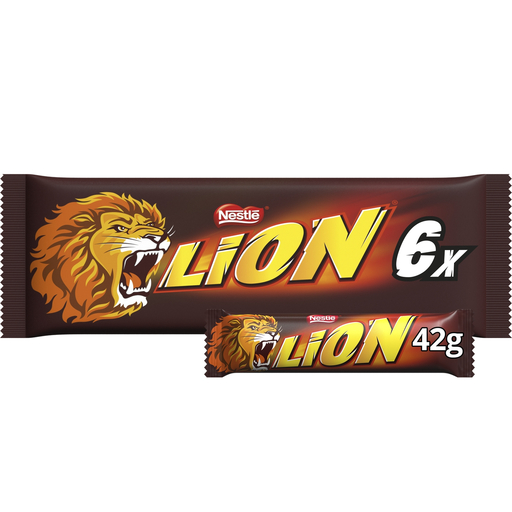 Image unavailable
Lion, 6 milk chocolate cereal bars, 42 g each
This pack contains bars with a stated weight, but they’re cereal bars, not milk chocolate bars. The product listing gives 22.4 g of sugars and 9.2 g of fat per 42 g bar. It lists wheat and milk, among other ingredients, and may contain traces of peanuts, nuts and soya. If you need each bar to stay individually wrapped in a lunch box, check this on the packaging.
View on Joybuy
 Image unavailable
SMARTIES Hexatube, 6 × 34 g
The six separate tubes can be shared between people or packed in different lunch boxes. These are sugar-coated milk chocolate sweets, not mini chocolate bars. To compare them with another product, check the nutritional information on the pack, especially the sugars and fat. The product listing mentions milk and gluten; check the full list of allergens on the packaging.
View on Joybuy
Frequently asked questions
Is solid milk chocolate subject to the ‘soda tax’ in France?
No. The levy described by Légifrance applies to drinks and liquid drink preparations intended for human consumption, not to solid chocolate bars. To compare their sugar content, check the nutrition declaration directly.
Is Nutri-Score compulsory on a milk chocolate multipack?
No, front-of-pack nutrition labelling is voluntary in the European Union. The European Commission states that a nutrition declaration is compulsory for the vast majority of prepacked foods. If Nutri-Score appears on the pack, you can use it alongside the values given per 100 g.
Which format should you pack in a lunch box before exercise?
A small, individually wrapped portion is handy if you know its weight and can check its ingredients. Carrefour’s listings include, for example, packs of ten 21 g chocolate bars and packs of eight Milka mini bars weighing 200 g; the packaging alone won’t tell you how much is right for you before a workout.
Is a large bag of chocolates a good choice just before a workout?
A large bag is primarily designed for sharing, so decide how much you want to have rather than relying on the pack size. Recommendations from the Academy of Nutrition and Dietetics, Dietitians of Canada and the American College of Sports Medicine advise taking the type of food, quantity and timing into account. They don’t set a universal portion of milk chocolate.
Which allergens should you check when switching formats?
Read the ingredients list and any ‘may contain’ information for the exact product. Mini chocolate bars, cereal bars and filled chocolates don’t all have the same ingredients. Depending on the product, the information may mention milk, soya, wheat, peanuts or nuts.


