What should you check before buying?
Start with how you plan to serve the chocolate at your jumble sale, then choose an amount and recipe to suit the people who may eat it.
| Criteria |
What to check |
Who is this for? |
| Serving |
Number of portions and whether each is wrapped; whether you can use a container or serving utensil. |
If visitors are helping themselves, I want to avoid everyone handling the chocolate. Around 37% of consumers put ease of serving first. |
| Quantity |
Net weight and the number of portions you can use for your planned serving method. |
To cater for a large group, I need an amount that’s right for the occasion, rather than relying on the size of the pack alone. Quantity is the top priority for around 27% of consumers. |
| Allergens |
Ingredients for the exact product and any warnings that it may contain other allergens. |
If I don’t know about every visitor’s dietary requirements, the recipe determines what I can offer. It comes before other criteria for around 18% of consumers. |
| Nutrition and use |
Sugar content in the nutritional information per 100 g; whether the product is intended to be shared as it is or used in cooking. |
If I’m comparing sugar content or preparing chocolate for the stall, I need to choose a product that suits that use. Around 18% of consumers put this information first. |
Brands and retailer to consider
These examples of different formats can help you choose for a jumble sale; they don’t cover every product from each brand. Carrefour is included here as a retailer, not as a single manufacturer.
Milka
The Carrefour listings we checked include a 126 g bag of milk chocolate and a 200 g bag containing eight mini bars.
- The mini bars have a stated number of portions on the pack.
- Check the packaging, ingredients and allergens for the product you choose before planning how to serve it.
Lindt
Carrefour listings include a 140 g bag of Crispy balls and a 188 g bag of Lindor squares.
- The balls can be served in a container if the stall has a suitable way to distribute them.
- The Crispy balls listing includes milk, soya and barley: check the label for the variety you choose.
Côte d’Or
Carrefour lists a box of 24 milk chocolate miniatures, weighing 240 g in total.
- The number of miniatures makes it easy to plan to hand out one per person.
- The listing mentions milk, soya and possible traces of nuts; also check how each portion is wrapped.
Nestlé Dessert
A 170 g Dessert Lait bar is described in a Carrefour listing as baking chocolate.
- This format is better suited to preparing something for the stall than to offering bite-sized chocolates for visitors to help themselves to.
- If you’re serving it in pieces, plan for cutting it up and providing a container; check the allergens in the bar too.
Carrefour
The retailer’s range includes bars, balls, bite-sized chocolates and bags from different brands.
- Its listings make it possible to compare the weight and packaging of different products.
- Before planning how to serve a product, check that it’s available at your chosen collection point.
Sharing-friendly formats on Joybuy
This selection includes tubes, bars and bags of milk chocolate sweets for different ways of sharing at a jumble sale. The number of portions, how they need to be served and the allergens vary by product.
 Image unavailable
Smarties Hexatube, 6 × 34 g
The six tubes make it easy to share portions between several people, but the sweets inside each tube aren’t individually wrapped. The pack weighs 204 g. Milk and gluten are listed: check the label and nutritional information per 100 g for the exact variety.
View on Joybuy
 Image unavailable
Kinder Chocolate Maxi Pack, 11 bars, 231 g
The number of bars helps you plan how to hand them out, provided you check how they’re wrapped if each visitor needs to take one without handling items shared with others. The listing states 53.3 g of sugars per 100 g and lists milk and soya.
View on Joybuy
 Image unavailable
Maltesers milk chocolate bites, bag
This bag is better suited to sharing from a container with a serving utensil than to handing out individually wrapped bites. The title states 192.5 g, while the description says 192 g: check the net weight on the packaging. The listing states 53 g of sugars per 100 g and lists milk, soya, wheat and barley malt extract.
View on Joybuy
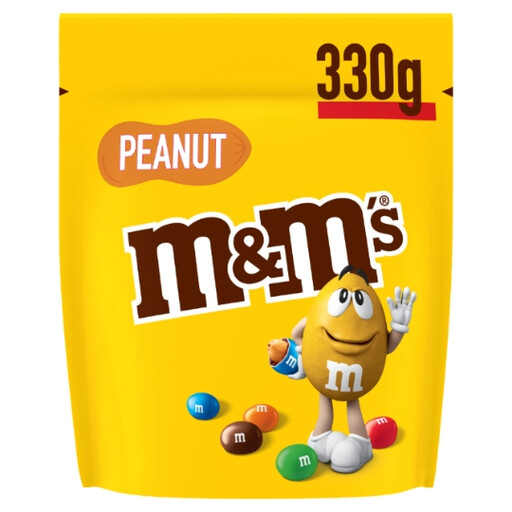 Image unavailable
M&M’S Peanut, 330 g pack
The pack of milk chocolate sweets states that it contains seven portions, but doesn’t say they’re individually wrapped; plan a way to serve them for a group. The recipe contains peanuts and may contain almonds and hazelnuts, so don’t choose it if these allergens need to be avoided.
View on Joybuy
 Image unavailable
Milka Alpine Milk, 3 × 100 g bars
This 300 g pack is suitable for organised serving or preparing food if bar format works for your needs; don’t mistake it for a bag of ready-to-serve bite-sized chocolates. The listing states 58.5 g of sugars per 100 g and lists milk, hazelnuts and soya, with possible traces of other nuts and wheat.
View on Joybuy
Frequently asked questions
Does the ‘soda tax’ apply to a bag of milk chocolate in France?
No, not when it’s solid chocolate. According to Légifrance, the levy set out in Article 1613 ter of the French General Tax Code applies to drinks and liquid preparations for drinks containing added sugars.
Does the Nutri-Score have to appear on the bag?
No, the DGCCRF describes Nutri-Score as a voluntary system. To compare pre-packed chocolate, check the nutritional information per 100 g, particularly the sugar content, whether or not the logo appears on the product.
What should you check if visitors have allergies?
Read the ingredients, any highlighted allergens and any warnings that the product may contain them on the packaging for the exact product. The Carrefour listings we checked mention milk, soya, cereals, peanuts or possible traces of nuts, depending on the product. One recipe can’t represent an entire range.
How should you store chocolate before the jumble sale?
Follow the storage instructions and use-by date shown on each pack. Keep this information to hand so you can check the product before serving it.


