Parents preparing lunchboxes
Mini bars and mini tablets give you individual portions without having to break up a large bar. For a lunchbox, check the ingredients and allergen information for the product you buy.


For a lunchbox, individually portioned chocolate saves you having to break up a large bar before you leave. At home, a multipack of 100 g bars lets you open one at a time for toast or sharing; a large bar is a good choice if you plan to break off pieces and can store the rest as directed on the packaging. In every case, check the ingredients, allergens and sugars per 100 g for the product you choose.
Mini bars and mini tablets give you individual portions without having to break up a large bar. For a lunchbox, check the ingredients and allergen information for the product you buy.
A multipack lets you set one bar aside for toast and keep the others sealed. A large bar is better suited to breaking off a few pieces to share.
When comparing different pack sizes, they look at the sugars per 100 g, followed by the ingredients and allergens. If the packaging displays a Nutri-Score, it can offer an additional point of reference.
First, decide between individual portions to take with you, several bars to open one at a time, or a large bar to share. Then compare the labels of products that suit the way you plan to use them.
Consider them: for dividing portions between several lunchboxes or snack breaks.
Bear in mind: the pack format doesn’t tell you the weight of each portion or the exact recipe, so check both.
Consider it: if you want to keep some bars sealed while using the first for toast or sharing.
Bear in mind: the number of bars doesn’t tell you what’s in them.
Consider it: for breaking into pieces to share at home.
Bear in mind: you’ll need to store the opened bar as directed on its packaging, rather than having several sealed portions ready to use.
| Criteria | What to check | Who is it for? |
|---|---|---|
| Portions to take with you | Number of portions and weight per portion; whether each portion is individually wrapped. | When preparing a lunchbox without breaking up a large bar, I look for portions that are easy to hand out. Around 25% of shoppers are said to prioritise portable portions. |
| At-home use | Number of bars and the weight of each, particularly in 100 g multipacks. | If the chocolate is sometimes for toast and sometimes for sharing, I want to be able to open the bars at different times. This flexibility is said to be the priority for around 25% of shoppers. |
| Ingredients and allergens | Sugars per 100 g, ingredients and allergen information for the specific product. | Before choosing a format for home or a lunchbox, I need to know what’s in the chocolate I’m buying. Around 31% of shoppers are said to put checking the recipe and sugar content first. |
| Quantity and storage | Total weight, best-before date and storage instructions on the packaging. | When stocking up at home, I consider how much I can store under the recommended conditions. Quantity and storage are said to be the top priority for around 19% of shoppers. |
According to Santé publique France, displaying the Nutri-Score is voluntary. Its absence alone therefore doesn’t tell you anything about the nutritional values of a chocolate product.
Read the nutritional information and ingredients for the specific product. If the logo is shown, use it as an additional guide, without letting it replace a closer look at the label.
Article 1613 ter of the French General Tax Code, published by Légifrance, covers drinks and liquid preparations for drinks that meet the conditions set out in the legislation. It does not apply to a milk chocolate bar.
When comparing two bars, look instead at their ingredients and sugars per 100 g.
A bag of mini portions and a large bar may have different ingredient lists and allergen warnings. The words “milk chocolate” alone aren’t enough to assess a product intended for a lunchbox.
Check the ingredients list and any “may contain” warnings on the packaging of the product you’re buying.
Documented formats include a 200 g bag of 8 Mini Tablets and a multipack of 3 × 100 g bars.
A Carrefour multipack of 5 × 100 g milk chocolate bars is listed as an option for stocking up at home.
A 200 g large milk chocolate bar is an option for sharing at home, unlike a multipack.
The 35 g EXCELLENCE Lait mini bar is an example of an individual portion, rather than a multipack.
This selection includes multipacks to open one bar at a time, a multipack of bars to divide up, and individual 200 g bars for sharing at home. For toast or a lunchbox, first choose the packaging that suits the way you’ll use it, then check the recipe of the product you’ve picked.
 Image unavailable
Keep the bars separate and open one as needed at home. The multipack contains three 100 g bars; check the ingredients and allergens on the packaging of the product you buy.
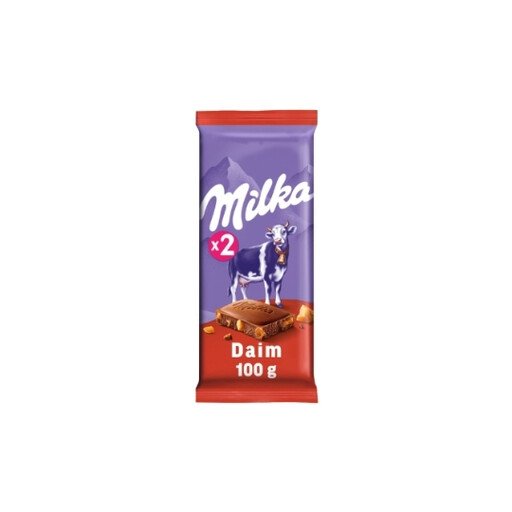 Image unavailable
Enjoy the bars at different times without opening both at once. This multipack contains two 100 g bars; check the ingredients and allergen information for this variant before buying.
 Image unavailable
Choose three separate bars instead of breaking up a single large one. Each bar weighs 50 g; the recipe includes honey and almond nougat, making it different from plain milk chocolate. Check the ingredients and allergens on the packaging.
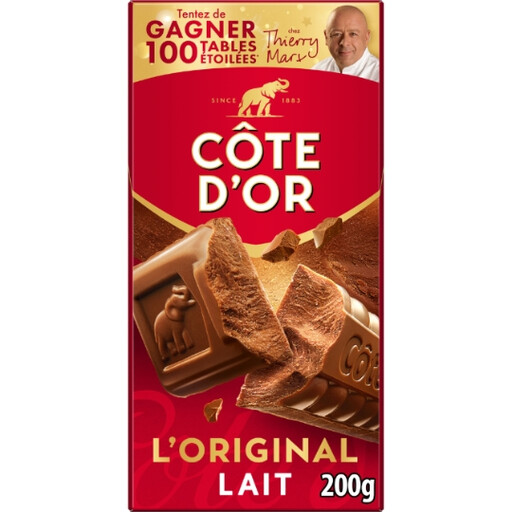 Image unavailable
Break off pieces to share or use on toast at home. This is one 200 g bar, not a multipack. The Joybuy listing for this product states that it contains 55 g of sugars per 100 g; also check the allergen information on the packaging.
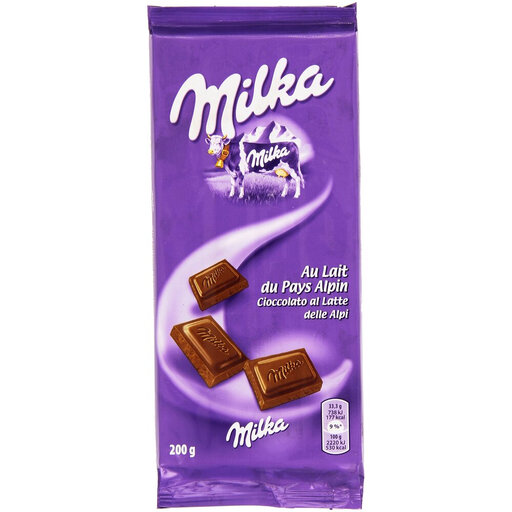 Image unavailable
Share the bar or break off a few pieces at home as needed. This 200 g format is a single bar, with no individually wrapped portions; check the ingredients and allergen information before choosing it for a lunchbox.
No, not to a chocolate bar. Article 1613 ter of the French General Tax Code, published by Légifrance, defines a contribution covering drinks and liquid preparations for drinks under the conditions it sets out. It does not class a milk chocolate bar as one of these products.
No. Santé publique France states that producers display the Nutri-Score on a voluntary basis. To compare two chocolate products, read their nutritional information and ingredients, whether or not the logo appears.
Compare the “of which sugars” value per 100 g on each product’s label, then consider the portion size you plan to use. A value for one bar shouldn’t be assumed to apply to other recipes from the same brand.
Check the ingredients and any “may contain” warnings on the exact product you’re packing. Depending on the product, labels may mention milk, soya, wheat or nuts, among other allergens; individual portions don’t tell you what these warnings are.
Follow the instructions on the packaging of the product you’ve bought. For the bars listed by Joybuy, the guidance includes storing them in a cool, dry place. Reseal opened packaging and keep the chocolate away from heat and moisture.