For a crêpe party, choose mini bars or individually portioned chocolates if you want to serve them without cutting anything up. Choose mini wafer bars only if their wafer or filling suits what you want to offer. Small formats make it easier to hand out individual pieces, but tell you nothing about what they contain: check the quantity, nutritional information and allergens for the product you choose.
Who are these formats suitable for?
Hosts who want to serve without cutting anything up
If several people are adding toppings to their crêpes, mini bars, squares or bite-sized chocolates that are already separated save you having to break up a large bar at dessert time. Check the number of pieces and the pack weight to plan how to serve them.
Guests comparing nutritional information
‘Mini’ describes the format, not the recipe. To compare products in the same category, check the sugars, energy and saturated fat per 100 g, then consider how much you plan to serve.
Groups with guests who have allergies
Milk chocolate, a praline-filled bite and a wafer bar do not necessarily contain the same ingredients. Keep the packaging for each product handy so guests can check the listed allergens.
What should you check before buying?
For a crêpe party, start by deciding how you want to serve the chocolate, then check the quantity and recipe of each product.
| What matters |
What to check |
Who is it for? |
| Ready-to-serve pieces |
Number of pieces and whether they are individually wrapped. |
When crêpes are being passed around the table, I want to offer chocolate without having to break up a bar. Around 40% of consumers favour this way of serving chocolate in separate pieces. |
| Enough for everyone |
Net weight and the stated number of pieces, if available. |
When setting the table for a group, I want to work out how much to put out. This is thought to be a priority for around 30% of consumers. |
| Nutritional composition |
Sugars and other nutritional values per 100 g, then the amount served. |
If I’m choosing between two similar recipes, I want to read their nutritional information rather than judge by the size of the pieces. Around 20% of consumers are thought to put this comparison first. |
| Ingredients and allergens |
The product description and allergens highlighted on each pack. |
When guests have allergies, I need to identify the exact recipe before serving it. Checking allergens is thought to be the top priority for around 10% of consumers. |
Mistakes to avoid
-
Assuming ‘mini’ means less sugar
A small piece is easier to hand out, but its size doesn’t tell you how much sugar it contains. For prepacked foods, the DGCCRF distinguishes between the mandatory nutrition declaration and Nutri-Score, which Santé publique France describes as additional voluntary information.
Compare the per-100 g values for products in the same category, then factor in how many pieces you’ll serve.
-
Confusing plain chocolate with praline or wafer products
Côte d’Or describes its Mini Bouchée Lait as containing a praline filling, while KitKat presents KitKat Mini as a milk chocolate-covered wafer. These products aren’t necessarily a substitute for a mini bar of plain milk chocolate.
Read the product description, ingredients and allergens for the variety you plan to put on the table.
-
Assuming the ‘soda tax’ applies to chocolate
The French Ministry of the Economy describes this levy as applying to sugary drinks, not milk chocolate.
To compare chocolates, check their nutrition declarations and ingredient lists instead.
Brands to know for these formats
Milka
A brand to consider if you’d like tablet-style portions rather than filled bites.
- Carrefour lists a 200 g bag of 8 Milka mini bars.
- Check the pack details for the product you buy before working out how many pieces to serve.
Lindt
LINDOR squares let you put individually wrapped pieces on the dessert table.
- Lindt states that its 188 g LINDOR Milk Chocolate Squares bag contains 26 individually wrapped squares.
- The LINDOR range includes filled recipes, so check the ingredients and allergens on the pack you choose.
Côte d’Or
An option if you’d like to serve praline bites rather than mini bars of plain chocolate.
- Côte d’Or describes its 122 g Mini Bouchée Lait as a bite with a praline filling.
- This brand information is for French-speaking Belgium; check the product available when you shop in France.
KitKat (Nestlé)
KitKat Mini is a mini milk chocolate and wafer bar, offering a different option from plain chocolate.
- KitKat describes its product as a crispy wafer covered in milk chocolate.
- Allergens vary by recipe. For Mini Mix, KitKat lists gluten, milk, peanuts and hazelnuts, among others. Check the packaging for the variety you choose.
Joybuy products for serving with crêpes
These products offer three ways to serve milk chocolate confectionery: tubes of sweets, a praline bar to portion yourself, and shareable pieces in a bag. Check their shape and packaging if you’re specifically looking for mini bars or individually wrapped pieces.
 Image unavailable
SMARTIES Hexatube, 6 × 34 g
You can share the six tubes between your guests if you’d prefer to serve separate portions. These are sugar-coated milk chocolate sweets, not mini bars of plain chocolate. Check the packaging for allergen and nutritional information.
View on Joybuy
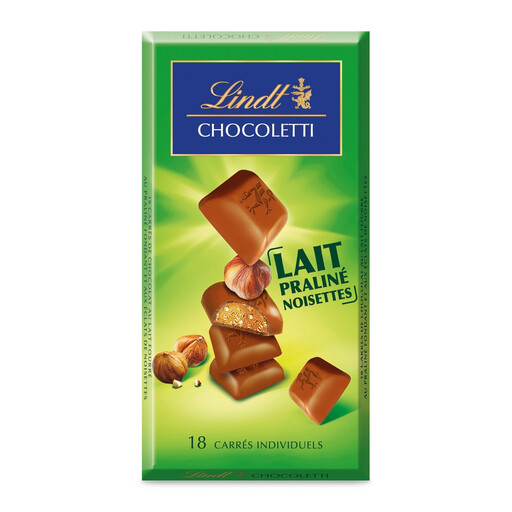 Image unavailable
Lindt Chocoletti, 100 g milk chocolate praline
This bar is a good choice if you’d like to offer milk chocolate praline and portion it yourself. The product name gives its weight as 100 g. Check the portion size and allergens on the packaging before presenting it as individually portioned pieces.
View on Joybuy
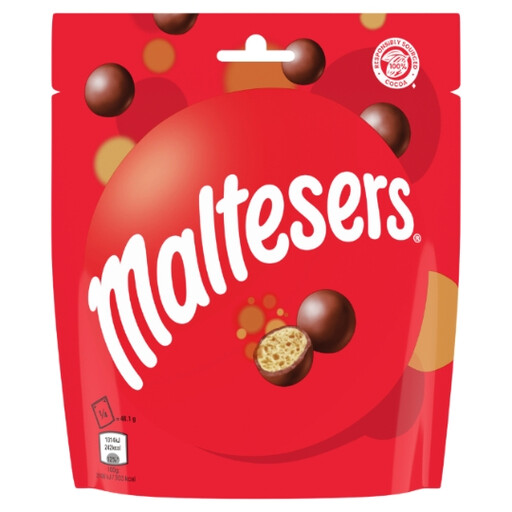 Image unavailable
MALTESERS, 192.5 g bag
These honeycomb-centred pieces covered in milk chocolate can be shared, but they aren’t plain milk chocolate. The bag weighs 192.5 g. Check the number of pieces, ingredients and allergens if you need to prepare specific portions.
View on Joybuy
Frequently asked questions
Is Nutri-Score mandatory on mini chocolates?
No. According to the DGCCRF, prepacked foods must carry a nutrition declaration; Santé publique France describes Nutri-Score as additional voluntary information. If it isn’t shown, use the nutrition declaration to compare products in the same category.
How do you compare two mini formats for a crêpe party?
First, compare similar recipes using the nutritional values per 100 g. Then check the weight and number of pieces you want to serve: two products described as ‘mini’ won’t necessarily contain the same amount per piece.
Which allergens should you check before serving bites or mini bars?
Check the allergens highlighted on the packaging for each recipe rather than assuming they’re the same as in another product from the same brand. For example, KitKat lists gluten, milk, peanuts and hazelnuts for its Mini Mix product; this list doesn’t apply to every mini bar or bite.
Does the ‘soda tax’ apply to milk chocolate?
No. The French Ministry of the Economy describes the levy known as the ‘soda tax’ as applying to sugary drinks. When choosing milk chocolate, you can check the sugar content in its nutrition declaration.


