Anyone who wants to open a single portion
For a Christmas treat without opening a large bar, check the weight of each bar and the number of bars in the pack. A single bar and a multipack of mini bars meet this need in different ways.


For a solo treat on a Christmas evening, choose a bar if you want to open a single portion, mini bars if you’d rather take one small bar from a multipack, or a whole bar if you want to decide how much to break off. Then compare the sugars and fat per 100 g, as well as the amount you plan to eat. Check the ingredients and allergen information for the specific recipe too. If shown, the Nutri-Score can help you make sense of the information, but displaying it is voluntary, according to Santé publique France.
For a Christmas treat without opening a large bar, check the weight of each bar and the number of bars in the pack. A single bar and a multipack of mini bars meet this need in different ways.
If sugar or fat content matters to you, compare the nutritional values per 100 g, then relate them to the amount you expect to eat. The Nutri-Score may not appear on every pack.
For a hazelnut, cereal or caramel recipe, or a filled bar, check the exact product label. Depending on the product, allergen information may include milk, nuts, soya, wheat or peanuts.
For a solo treat, first decide how much you want to open, then compare recipes using their labels.
| What to consider | What to check | Who is it for? |
|---|---|---|
| Amount you open | Weight of each bar and number of bars in the pack. | I want a bar to enjoy during the evening without opening a whole large bar; around 33% of consumers put this ready-portioned option first. |
| Taste and texture | Plain milk chocolate or a recipe with ingredients such as hazelnuts, cereals, caramel or a filling. | If I’m mainly after a hazelnut crunch or a simpler recipe, this difference determines my choice. It comes first for around 27% of consumers. |
| Ingredients and allergens | Ingredients list and ‘contains’ or ‘may contain’ statements on the specific pack. | If I need to take an allergen into account for myself or someone close to me, whether the recipe is suitable matters more than the format. This is the main concern for around 20% of consumers. |
| Nutritional values | Sugars and fat per 100 g, then the amount in the bar or portion you’ve chosen. | I want to compare two recipes even if they come in different weights, rather than judging by the pack alone. Around 20% of consumers prioritise checking nutritional information. |
For the relevant prepacked foods, EU labelling rules require nutritional information to be given per 100 g. Santé publique France explains that displaying the Nutri-Score is voluntary, so its absence alone is not a basis for judging a chocolate product.
The French Ministry of the Economy describes this levy as applying to sugary drinks. It is therefore not a criterion for choosing a milk chocolate bar.
To compare bars, look instead at the sugars per 100 g and the amount in each bar.
According to Santé publique France, producers display the Nutri-Score voluntarily. It does not replace the nutritional information on the pack.
If it appears on comparable products, you can use it as a guide; check their nutritional values and ingredients too.
Hazelnut or cereal varieties, as well as filled bars, don’t all have the same ingredients. For example, Carrefour’s product listings for Côte d’Or and LION bars flag different allergens.
Check the ‘contains’ and ‘may contain’ statements on the exact product before offering it to someone with an allergy.
A multipack and a bar sold on its own don’t represent the same amount to buy, even if you only plan to open one bar during the evening.
Check both the number of bars and their individual weight. If you want to keep the others, check how they’re packaged too.
Milka offers a 45 g Alpine Milk Bar and a 45 g Milk Hazelnut bar.
The range includes the 100 g L’Authentique Lait bar and a 33 g NUXOR Milk Hazelnut bar, according to Lindt France.
Carrefour stocks a 45 g Côte d’Or milk chocolate and hazelnut bar.
The 42 g LION bar combines a milk chocolate coating with wheat cereals and caramel, according to its Carrefour product listing.
Carrefour stocks a pack under its own brand containing ten milk chocolate bars, each weighing 21 g.
E.Leclerc offers Marque Repère TABLETTE D’OR bars, including a 100 g milk chocolate variety.
These products let you compare a milk chocolate bar, recipes with fillings or added ingredients, and multipacks of bars for a solo treat. The weight of each bar and the packaging are key if you only want to open one portion.
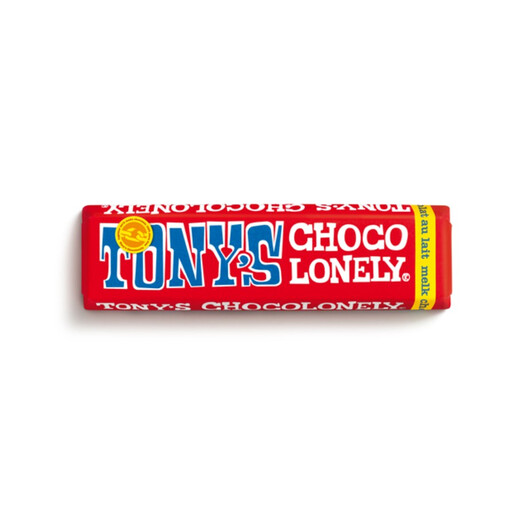 Image unavailable
Worth considering if you’d prefer a 50 g milk chocolate bar to a large bar you need to break up. If you want to save some for later, check how the bar is packaged. Check the exact packaging for allergen information.
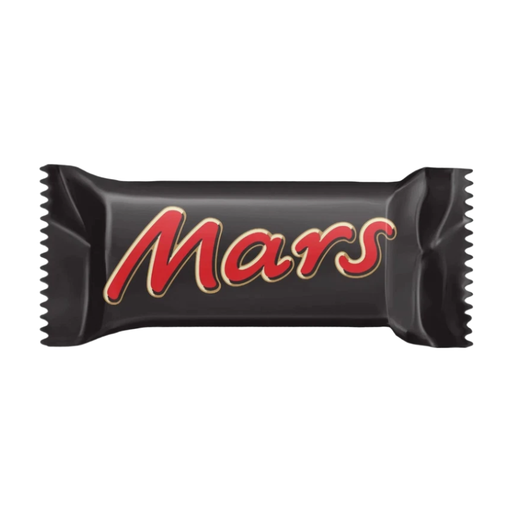 Image unavailable
An individual bar with a recipe combining milk chocolate, caramel and nougat, rather than a plain chocolate treat. The stated weight is 51 g. Check the ingredients and allergen information on the packaging.
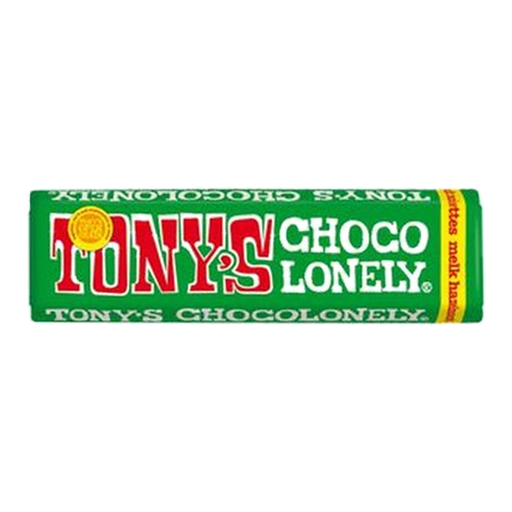 Image unavailable
For anyone looking for a 47 g bar with hazelnuts, rather than plain milk chocolate. Hazelnuts are an important consideration if you have an allergy, so check the full allergen information on the packaging. Check how the bar is packaged if you want to save some for later.
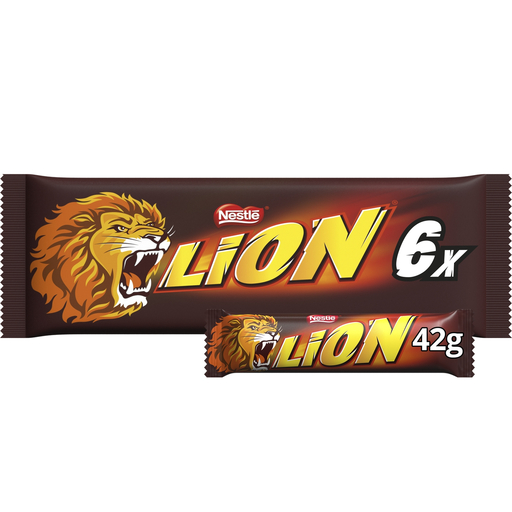 Image unavailable
A good option if you want to eat one bar at a time while buying a pack of six, with a recipe combining milk chocolate, wheat cereals and caramel. This product isn’t sold as a single bar. Check the packaging for information about wheat and other allergens.
 Image unavailable
Choose a 50 g bar from a pack of three, with a honey and almond nougat recipe rather than plain milk chocolate. If you plan to save the other bars, check how they’re packaged. Check the exact packaging for ingredients and allergens.
The levy described as the ‘soft drinks tax’ by the French Ministry of the Economy applies to sugary drinks, not to choosing a milk chocolate bar. To compare two bars, check their sugars per 100 g and the weight of the bar you’re thinking of eating.
No. Santé publique France says displaying it is voluntary. If it appears, use it alongside the nutritional values and ingredients list, rather than interpreting its absence as a poor rating.
Start with the information per 100 g so you can compare recipes on a like-for-like basis, particularly their sugars and fat. Then check the weight of each bar or the stated portion to see what quantity those values relate to. EU labelling rules govern the nutritional information provided for the relevant prepacked foods.
Don’t offer them a bar containing hazelnuts. Carrefour’s product listing for the Côte d’Or milk and hazelnut bar mentions hazelnuts and possible traces of other nuts. For any other product, check the ingredients and allergen information on its exact packaging.
A single bar means you don’t have to break up a large bar if you want to open a ready-portioned unit. A large bar is a good choice if you’d rather choose how many squares to have or share it; just check how to store the rest. The format alone doesn’t tell you how the recipes compare nutritionally.