What should you look for before choosing?
First decide how the chocolate will be served and how much you’ll need, then check the recipe for each product you’re considering.
| Criteria |
What to check |
Who is it for? |
| Ready to serve |
Does the product come as individual bites you can serve straight from the bag, or as bars that need preparing? |
If I’m putting on a self-service buffet, I want everyone to be able to help themselves without breaking up chocolate. Around 31% of consumers would prioritise this style of serving. |
| Quantity to share |
Check the net weight and the number of individual units you plan to open. |
For several get-togethers, I’d rather open the units as needed than put everything out on the same day. This flexibility would be the main priority for around 25% of consumers. |
| Ingredients and allergens |
Read the ingredients list and allergen information, including any possible traces. |
If guests need to avoid certain ingredients, I check the exact recipe before choosing a format. Around 25% of consumers would put this suitability first. |
| Nutritional information |
Compare the sugar and fat content per 100 g, using the same basis. |
When comparing different recipes, I want to check their nutritional values rather than assume what they contain based on the pack size. Around 19% of consumers would prioritise checking the label. |
Brands and formats to know
These examples help you compare formats and recipes; they don’t cover every product from each brand.
Lindt
Lindt France features a 1 kg bag of LINDOR milk chocolates in its milk chocolate selection. It’s a format worth considering when serving a group.
- A large bag is listed in the range.
- Check the ingredients, allergens and best-before date on the product you choose.
Milka
A 200 g Milka bar featured by Joybuy France is an example of a bar format to arrange or break up for sharing.
- The bar format lets you prepare the quantity you need to serve.
- This 200 g product contains milk, hazelnuts and soya, and may contain other nuts and wheat. Don’t assume another Milka bar has the same ingredients.
Maltesers
The bag of milk chocolate bites with a crunchy centre featured by Joybuy France is suited to serving without any preparation or cutting.
- Bite-sized chocolates you can serve straight from the bag.
- The recipe shown lists milk, soya, barley and wheat, among other ingredients. Check the net weight and label on the bag you choose.
Formats available on Joybuy
These products include a bag of bite-sized chocolates and multipacks of bars for sharing milk chocolate. They differ in how they’re served and how much they contain, so choose according to the number of people and how much preparation you can manage.
 Image unavailable
Maltesers milk chocolate bites, 192.5 g bag
For sharing bite-sized chocolates without breaking up a bar. The title states 192.5 g, while the description says 192 g, so check the net weight on the bag before working out how much you’ll need. Joybuy France’s product information lists 53 g of sugars per 100 g and mentions milk, soya, barley and wheat, among other ingredients.
View on Joybuy
 Image unavailable
Milka Alpine Milk, 3 x 100 g bars
For sharing bars across several occasions or preparing a plate to share. The pack contains three 100 g bars, which need to be broken up or arranged before serving at a buffet. Check the ingredients and allergens on the packaging.
View on Joybuy
 Image unavailable
Kinder Chocolate Maxi, 11 bars, 231 g
For handing out a set number of bars without breaking up a bar of chocolate. The pack contains 11 bars and weighs 231 g in total. Work out how many portions you need before choosing this format for a group. Check the packaging for ingredients and allergens.
View on Joybuy
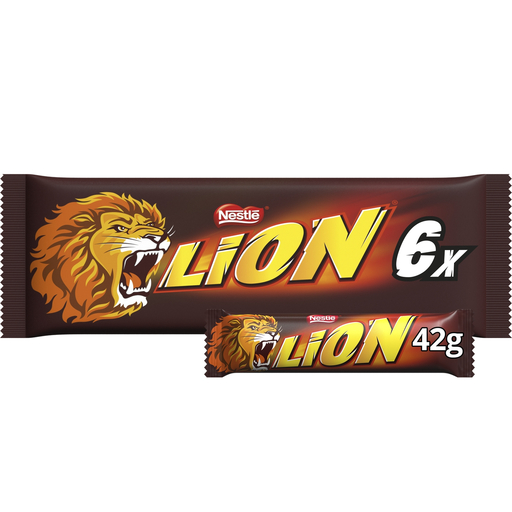 Image unavailable
Lion, 6 x 42 g bars
For giving guests individual bars instead of preparing pieces of a larger bar. The six 42 g bars weigh 252 g in total, and this pack isn’t served like a large bag of bite-sized chocolates. Check the label for the ingredients and allergens in this recipe.
View on Joybuy
Frequently asked questions
Does the “soda tax” apply to a bag of milk chocolate?
No. The French rules published by Légifrance apply to drinks and liquid preparations for drinks, not bagged solid chocolate. To find out how much sugar a recipe contains, check its nutrition declaration instead.
Does a large bag of chocolate have to display Nutri-Score?
No. According to Santé publique France, displaying Nutri-Score is voluntary. The DGCCRF advises that the information to check on prepacked food includes the ingredients, net quantity and applicable nutrition declaration.
How do you choose between a bag, a multipack of bars and individually wrapped bars?
Start with how you plan to serve the chocolate: bite-sized chocolates are suited to self-service without any cutting, bars need to be arranged, and individually wrapped bars make it easy to count portions. Then compare the net weights and nutritional values per 100 g for each product, rather than just counting the packs.
What should you check before serving chocolate to a group?
Read the packaging for each product you choose: check the ingredients, stated allergens, any precautionary allergen warnings, net weight, storage instructions and best-before date. Don’t assume that two milk chocolates have the same recipe, even if they come in a similar format.


